


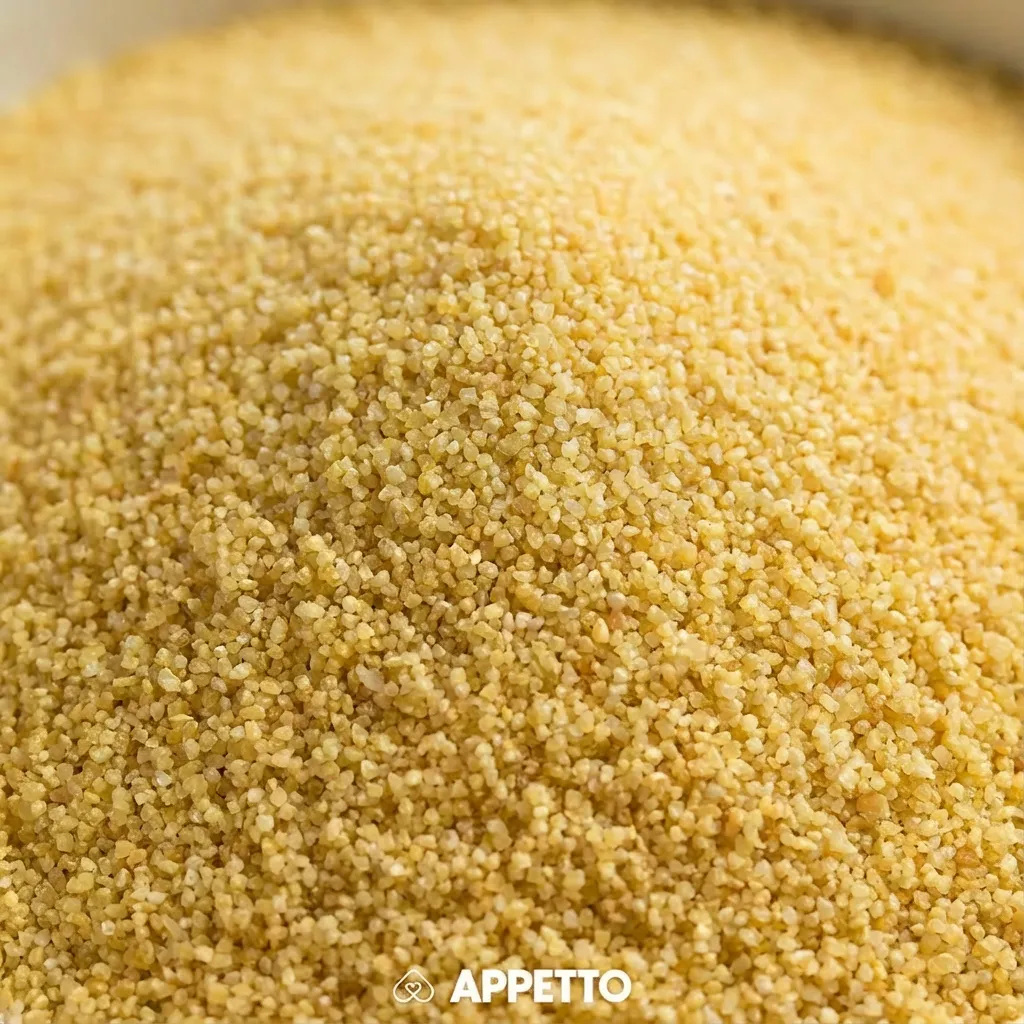
Wondering if you can share some semolina with your cat? While this cereal is common in our kitchens, it is to be avoided for felines.
Zero Nutritional Value
The data shows no benefits to feeding semolina to a cat. Its nutritional value for this species is zero. Cats are strict carnivores, meaning their dietary needs are entirely centered around animal proteins. The starch found in cereals is useless to them and simply acts as a source of “empty calories.”
Risks Associated with Semolina
Feeding semolina to your cat can lead to several issues:
- Nutritional risk: The caloric load from the starch provides no value to the cat’s body.
- Mechanical risk: If ingested as dry bites, semolina can cause swallowing discomfort.
Additionally, consuming this type of starchy food can cause digestive issues. The main symptoms to watch for in case of ingestion are vomiting and diarrhea.
Vulnerable Cats and Precautions
Some cats are particularly vulnerable and should avoid starches altogether. This includes diabetic cats and those with renal failure, for whom cereals should be strictly limited.
If semolina is given on a rare occasion, it is recommended that it be always cooked, strictly plain, and limited to a very small portion.
What to Do in Case of Ingestion?
If your cat has eaten semolina and exhibits vomiting or diarrhea, monitor their condition closely. Contact a veterinarian if the symptoms persist or appear concerning.
Learn More with APPETTO
If you want to better understand the diet of dogs and cats, you can use the APPETTO application. It helps you access useful information about various foods.
This article is provided for informational purposes only and does not replace the advice or diagnosis of a veterinarian. Always consult a veterinary professional if you notice concerning or persistent symptoms.