


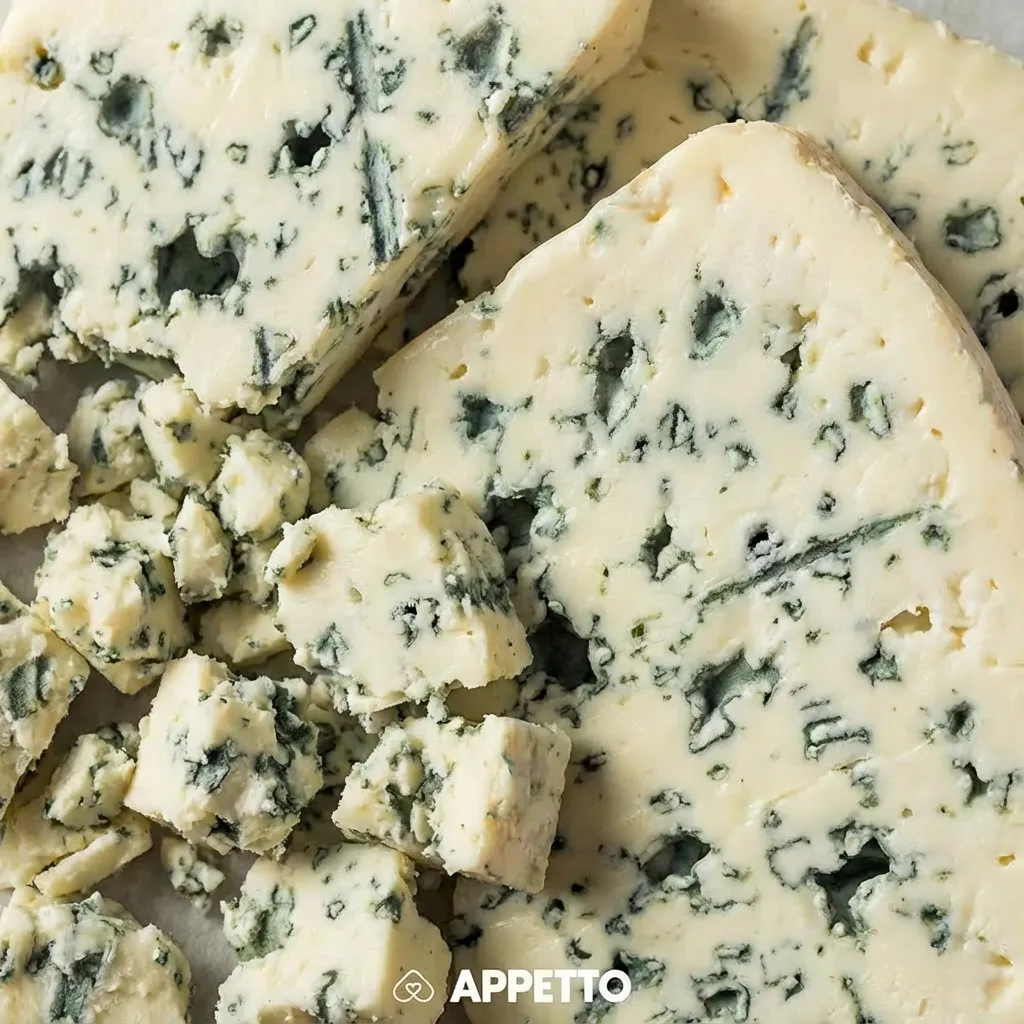
Roquefort is strictly forbidden for cats. This blue cheese can contain roquefortine C, a mold-related toxin that poses digestive and neurological risks. Cats already have no need for cheese in their diet, let alone a blue cheese where even a crumb can trigger a real veterinary emergency.
Quick verdict
- For cats: strictly forbidden.
- Key takeaways: risk of vomiting, diarrhea, tremors, and neurological signs.
Roquefort for cats: allowed, to be limited, or forbidden?
Roquefort must never be given to cats. In fact, all forms of this cheese should be avoided: the paste, mold, rind, sauces, preparations, pizzas, pasta, or table scraps containing Roquefort.
Is Roquefort dangerous or toxic for cats?
Yes, Roquefort can be dangerous for cats. Roquefortine C can act as a neurotoxin. Although data in cats is more limited than in dogs, blue cheeses remain strictly off-limits as a precaution. Additionally, the high salt and fat content can worsen digestive discomfort.
Are there any potential benefits?
There is absolutely no benefit to feeding Roquefort to a cat.
- The protein it contains never justifies the risk.
- A suitable feline treat is far safer.
What are the risks?
The risks affect both the digestive and nervous systems.
- Roquefortine C: tremors, agitation, potential neurological signs.
- Salt and fats: vomiting, diarrhea, severe discomfort.
- Parts to avoid: the entire cheese, Roquefort sauces, cooked dishes, and leftovers.
How much can you give your cat?
No amount is recommended. Roquefort must be strictly avoided.
- Adult cat: do not give.
- Sensitive cat: do not give.
- Kitten: never give.
Can my cat eat raw, cooked, or Roquefort sauce?
No. Whether raw, cooked, melted, in a sauce, or part of a recipe, Roquefort remains forbidden. Cooking does not make this cheese safe for cats.
How to react properly?
- Remove the cheese or dish immediately.
- Note the amount swallowed and the time of ingestion.
- Contact a veterinarian, especially if your cat is fragile or showing symptoms.
When should it be specifically avoided?
- Kittens.
- Senior cats.
- Fragile, sick, digestively sensitive, or neurologically vulnerable cats.
- Cats on medication or a strict veterinary diet.
My cat ate Roquefort: what should I do?
Seek advice from a veterinarian, especially if the amount consumed is more than a tiny crumb or if any signs appear. Do not attempt any home treatments. Tremors, repeated vomiting, or neurological signs must be taken very seriously.
What signs should alert you?
Vomiting, diarrhea, tremors, lethargy, loss of appetite, hypersalivation, disorientation, or any unusual behavior should prompt immediate attention.
What are safer alternatives?
- A suitable feline treat.
- A small piece of plain, cooked chicken.
- A complete wet food adapted to their profile.
How can APPETTO help you?
APPETTO helps you identify forbidden foods for cats and compare products using the Pet-Score®. This allows you to make clearer choices without taking unnecessary risks. Download APPETTO.
FAQ
Is Roquefort toxic to my cat?
Yes, it poses a significant risk due to roquefortine C. It must be strictly avoided.
How much Roquefort can I give my cat?
None. Roquefort is completely forbidden for cats.
Can my cat eat Roquefort sauce?
No, it still contains blue cheese and often has very high levels of salt or fat.
Can my cat eat cooked Roquefort?
No, cooking does not make this cheese safe.
What signs should I watch for if my cat ate Roquefort?
Watch for vomiting, diarrhea, tremors, lethargy, and any unusual behavior.
Can a kitten eat Roquefort?
No, never. If ingested, seek veterinary advice immediately.
Roquefort is strictly forbidden for cats: mold, roquefortine C, salt, and fats make it an absolute no-go. To better compare suitable products, APPETTO helps you with the Pet-Score®. Download APPETTO.
Credits and disclaimer
Credits: Content developed by the APPETTO team based on referenced sources and our internal food classification methodology.
Disclaimer: This information is general and does not replace veterinary advice.