


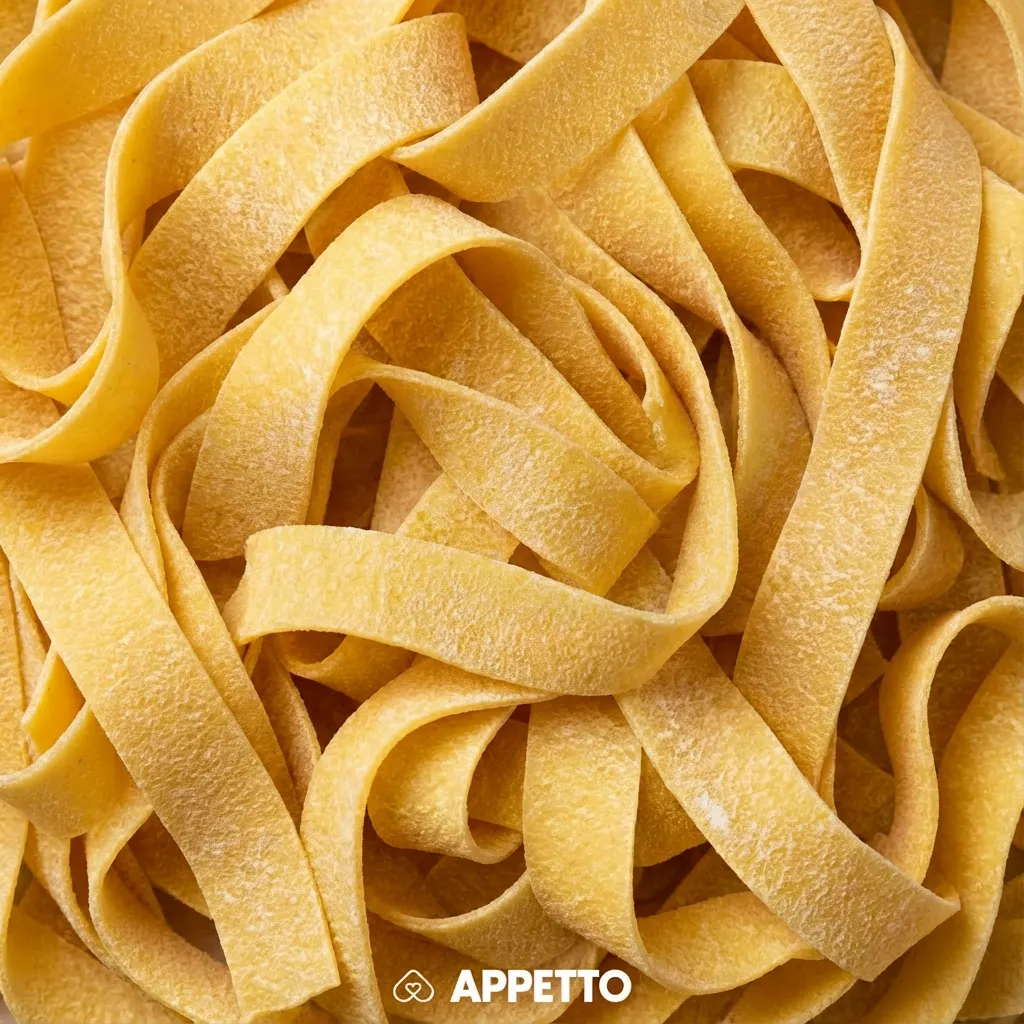
Feeding pappardelle to a cat is a subject that generates divergent opinions. While an occasional tolerance might be observed for this type of cereal, the available information highlights that this food offers absolutely no nutritional interest for your feline companion.
Absence of benefits and nutritional value
Data clearly indicate that the nutritional value of pappardelle for a cat is practically zero, providing no benefits whatsoever. From a scientific standpoint, this is explained by the starch found in this food. Starch simply does not provide the essential amino acids that a cat requires for its bodily functions.
Main risks associated with consumption
If your cat eats pappardelle, several potential risks should be taken into consideration:
- Nutritional risk: eating this type of food leads to an unnecessary intake of carbohydrates. For a cat, this excess of carbohydrates acts merely as empty calories.
- Digestive discomfort: in cases of excessive consumption, the cat may experience significant digestive issues.
- Mechanical risk: if the pappardelle are left in their dry pasta form, they can present a choking hazard for the animal.
Should they be served cooked or raw? As the data regarding the preparation method remains uncertain, it is generally advised to avoid feeding this food altogether as a precaution.
Symptoms to monitor and what to do
If your cat has ingested pappardelle, especially in excessive amounts or in a dry state, certain signs of discomfort may appear. The main symptoms to watch for are:
- Vomiting
- Diarrhea
If you notice the onset of these symptoms after your cat has eaten this food, closely monitor the animal’s condition. Should the symptoms worsen, persist, or seem concerning, it is highly recommended to contact a veterinarian for proper guidance.
Learn more with APPETTO
To help you better understand the diets of cats and dogs, the APPETTO application allows you to consult information on a wide variety of foods. You can download the app via this link: APPETTO.
This article is provided for informational purposes only and does not replace the advice or diagnosis of a veterinarian. A veterinary professional should always be consulted in the event of concerning or persistent symptoms.