


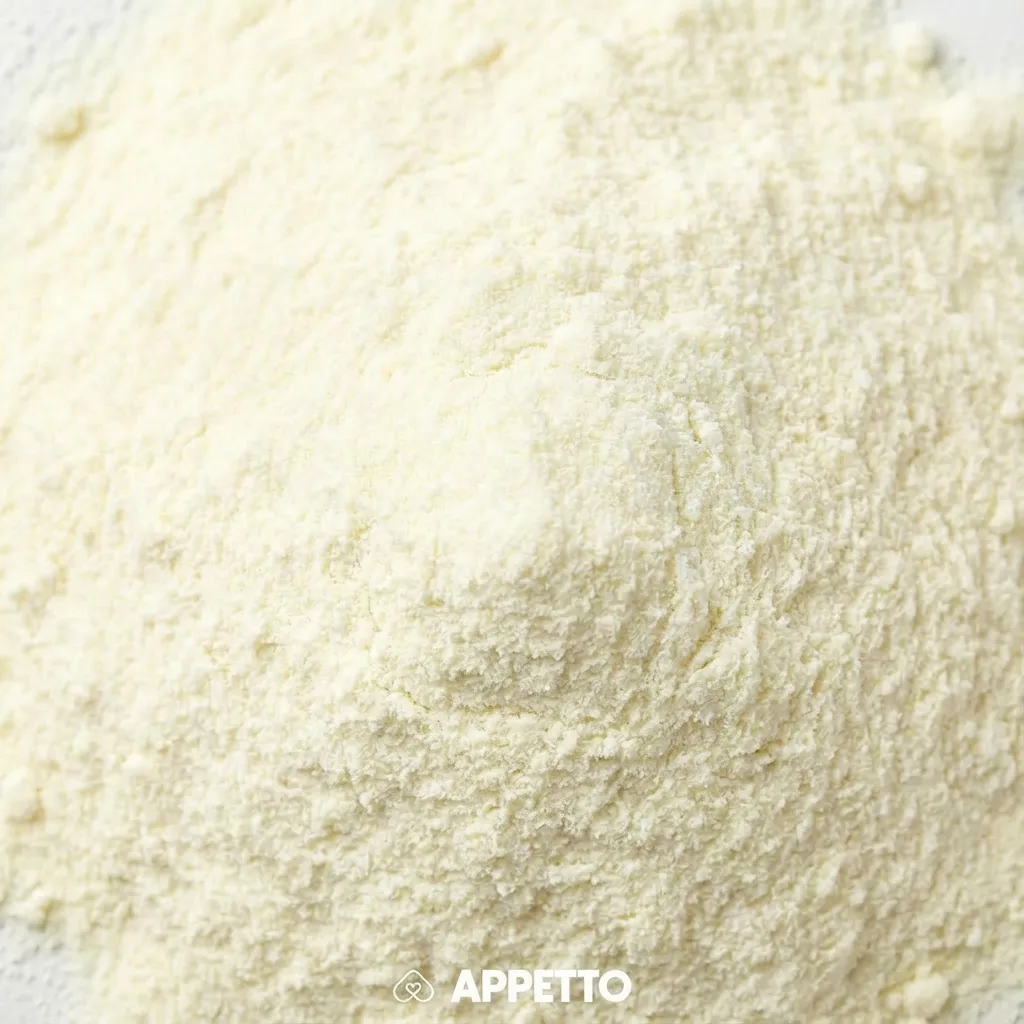
Powdered milk should be avoided for cats. It is often concentrated in lactose and calories, which can quickly cause digestive issues. And no, a white powder in a cupboard isn’t automatically a nutritional solution. Your cat deserves better than an improvised milky DIY.
Quick verdict
- For cats: to be avoided.
- Key takeaway: concentrated lactose, diarrhea, vomiting, and weight gain are the main risks.
Powdered milk for cats: allowed, limit, or forbidden?
Regular powdered milk is not suitable for cats. Many adult cats digest lactose poorly, and products designed for humans do not meet the specific needs of cats, especially kittens.
Is powdered milk dangerous or toxic for cats?
It is not toxic like a poison, but it can cause diarrhea, vomiting, and digestive discomfort. For a kitten, using an unsuitable powder can be particularly risky, as their nutritional needs are very precise.
What are the possible benefits?
The benefits are insufficient unless it is a specific product formulated for cats.
- Provides nutrients, but often in an unsuitable balance.
- Does not replace a special kitten milk replacer or a complete diet.
What are the risks to know?
The lactose concentration is the main issue.
- Lactose: diarrhea, vomiting, colonic fermentation.
- Calories: weight gain if used repeatedly.
- Parts to avoid: dry powder, reconstituted milk, sweetened preparations, or flavored powders.
How much to give your cat?
No amount of regular powdered milk is recommended.
- Adult cat: avoid.
- Sensitive cat: strictly avoid.
- Kitten: only specific kitten milk replacer if necessary.
Can my cat drink diluted or human powdered milk?
No. Diluted powdered milk often remains too high in lactose and unsuitable. For a kitten, a specific kitten milk replacer is needed, not a human powder diluted at random.
How to prepare it properly?
- Do not use regular powdered milk for your cat.
- For a kitten, ask for a specific, suitable product.
- In case of accidental ingestion, monitor their stool and behavior.
When should it be avoided?
- Adult cats.
- Senior cats.
- Cats with digestive sensitivities, obesity, or lactose intolerance.
- Kittens (without an adapted formula and veterinary advice).
My cat ate powdered milk: what should I do?
If your cat swallowed a small amount, monitor them. If the amount is large, if it’s a kitten, or if vomiting, diarrhea, or signs of fatigue appear, contact your veterinarian.
What signs should alert you?
Vomiting, diarrhea, bloating, fatigue, loss of appetite, dehydration, or unusual behavior should alert you.
What are the safer alternatives?
- A specific kitten milk replacer if necessary.
- Fresh water for an adult cat.
- A suitable complete wet food.
How APPETTO can help you?
APPETTO helps you understand which products are not suitable for cats and compare foods using the Pet-Score®. You can thus make more informed choices for their bowl. Download APPETTO.
FAQ
Is powdered milk toxic to my cat?
No, but it can cause digestive issues due to concentrated lactose.
How much powdered milk can I give my cat?
No amount is recommended.
Can my cat drink diluted powdered milk?
No, it usually remains too high in lactose and poorly adapted.
Can a kitten have regular powdered milk?
No, they need a specific kitten milk replacer.
What signs should I watch for if my cat ate powdered milk?
Watch for vomiting, diarrhea, bloating, fatigue, and loss of appetite.
Is lactose-free powdered milk suitable for cats?
Not automatically. You must check the product and ask for advice if in doubt.
Powdered milk should therefore be avoided for cats: it’s too concentrated, often rich in lactose, and unsuitable. To better compare products and make clearer choices, APPETTO helps you with the Pet-Score®. Download APPETTO.
Credits and warning
Credits: Content developed by the APPETTO team based on referenced sources and internal food classification methodology.
Warning: This information is general and does not replace veterinary advice.