


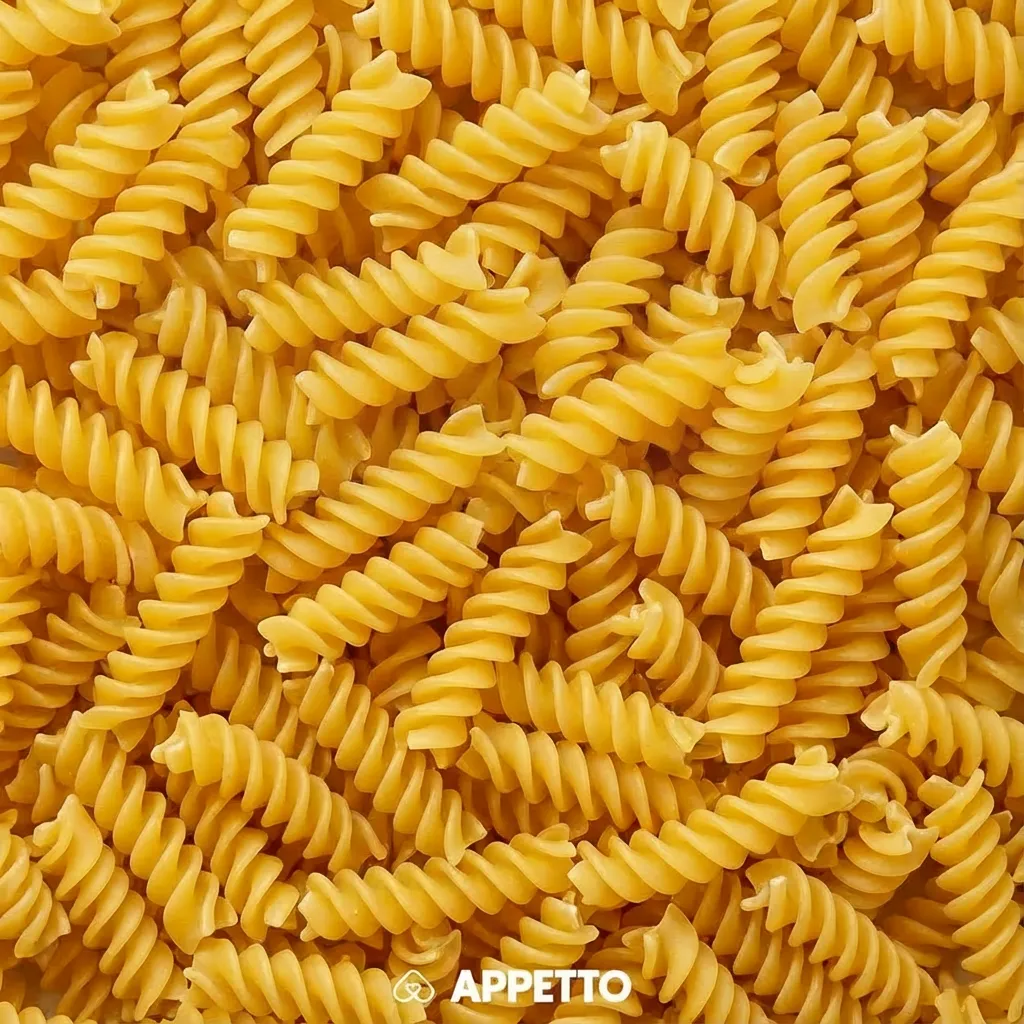
When preparing meals, you might wonder if it is safe to share some fusilli with your feline friend. Understanding how this pasta affects a cat’s unique digestive system is important to ensure their well-being.
The Verdict: Allowed in Moderation
Fusilli pasta is allowed in moderation for cats. While small amounts of whole grain cereals can be possible, general guidelines suggest that cereals are not necessary for felines and should be strictly limited.
Nutritional Value
The nutritional data shows that fusilli offers zero nutritional value for cats. This food does not provide any specific dietary benefits for them.
Scientific Explanations and Risks
The feline metabolism is designed to prioritize animal proteins and fats. Because cats are obligate carnivores, carbohydrates like those found in fusilli represent a nutritional risk. They provide empty calories that are entirely unnecessary for the cat’s biological needs. Feeding too much pasta can result in an imbalance in their daily ration.
Preparation Method
If you choose to offer a tiny amount of fusilli, it must be cooked. Cooked crumbs are generally better tolerated by the feline digestive system.
Vulnerable Cats
Extra caution is advised for obese or diabetic cats, for whom unnecessary carbohydrates can be particularly problematic.
Symptoms to Watch For
If a cat consumes too much fusilli, they may experience some adverse reactions. You should monitor your pet for the following symptoms:
- Vomiting
- Diarrhea
- Lethargy
What to Do in Case of Excessive Ingestion
If your cat has eaten a large quantity of pasta, observe them closely for the symptoms mentioned above. If any signs appear, persist, or seem concerning, it is recommended to contact a veterinarian. Keep in mind that this article cannot assess the individual severity of the situation.
Learn More with APPETTO
The APPETTO application helps users better understand dog and cat nutrition by providing accessible information on a wide variety of foods.
This article is provided for informational purposes only and does not replace the advice or diagnosis of a veterinarian. A veterinarian should always be consulted if concerning or persistent symptoms arise.