


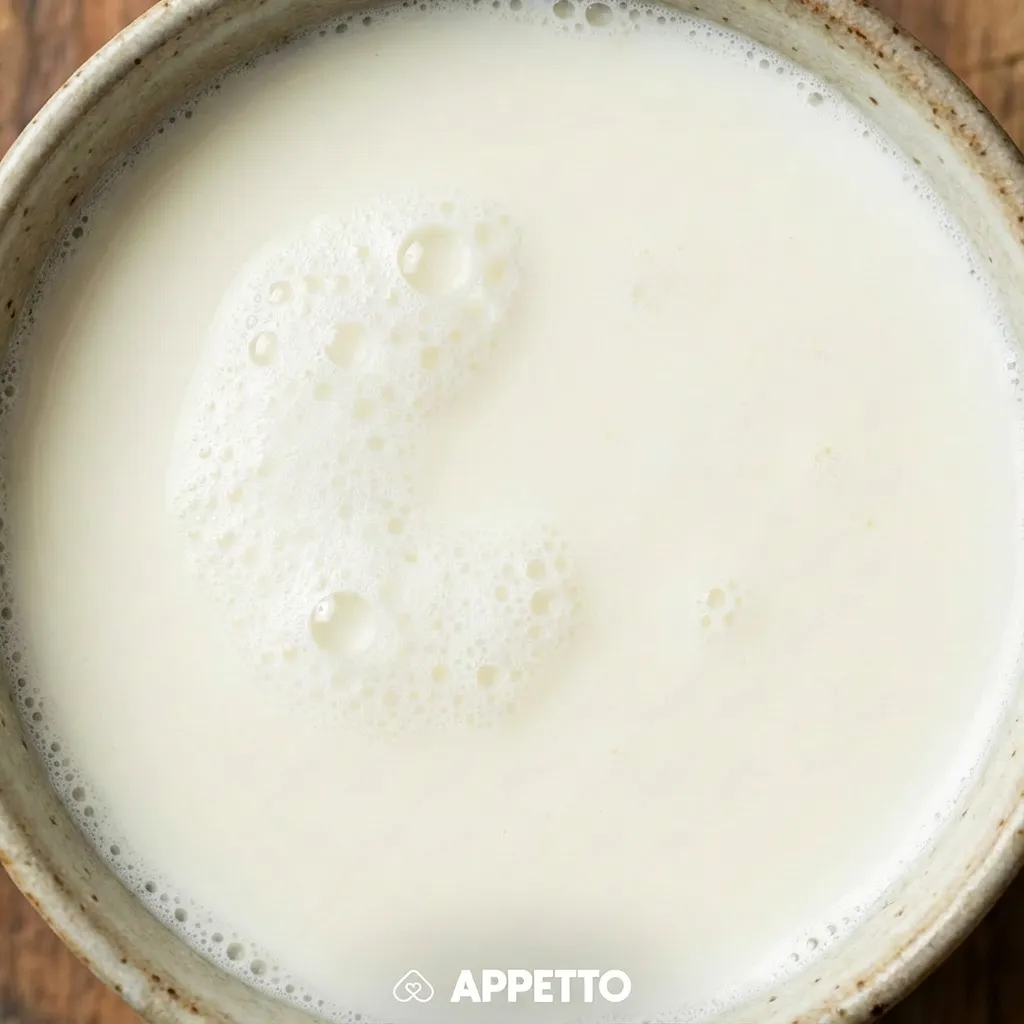
Buffalo milk should be avoided for cats. It is very high in fat, contains lactose, and adult cats often digest dairy products poorly. Even if its name sounds robust, your cat doesn’t need to drink like a dramatic little buffalo. Fresh water does the job perfectly.
Quick verdict
- For cats: to avoid.
- Key takeaway: too fatty and containing lactose, it can cause vomiting, diarrhea, and weight gain.
Buffalo milk for cats: allowed, to limit or forbidden?
Buffalo milk is not recommended for cats. Cats are strict carnivores and do not need milk after weaning. Its high fat content makes it even more important to avoid this product, especially for overweight cats.
Is buffalo milk dangerous or toxic for cats?
It is not strictly toxic, but it can be dangerous in large quantities or for a sensitive cat. Lactose can cause diarrhea and vomiting, while fats add a high energy density.
What are the possible benefits?
The benefits are minor and unnecessary.
- Provides protein and energy, but in a form that is too rich.
- No real advantage over a complete feline diet.
What are the risks to know?
Buffalo milk can quickly become poorly tolerated.
- Fats: weight gain and digestive overload.
- Lactose: diarrhea, vomiting, bloating.
- Parts to avoid: raw milk, sweetened milk, desserts, or processed products made with buffalo milk.
How much to give your cat?
No amount is recommended. It is best to avoid it altogether.
- Adult cat: avoid.
- Sensitive cat: strictly avoid.
- Kitten: entirely avoid.
Can my cat drink raw, pasteurized, or processed buffalo milk?
Raw milk should be avoided due to bacterial risks. Even pasteurized, buffalo milk remains too fatty and full of lactose. Desserts or sweet preparations are even less suitable.
How to prepare it correctly?
- Do not give buffalo milk to your cat.
- Keep dairy desserts out of reach.
- In case of ingestion, monitor their stool, appetite, and behavior.
In which cases should it be avoided?
- Kittens.
- Senior cats.
- Overweight, diabetic, or digestively fragile cats.
- Cats on medication, with kidney failure, or on a veterinary diet.
My cat drank buffalo milk: what should I do?
If your cat drank a small amount, monitor them. If the amount is large, if the milk was raw, or if vomiting, diarrhea, or fatigue appear, contact your veterinarian.
What signs should alert you?
Vomiting, diarrhea, bloating, fatigue, loss of appetite, or unusual behavior should alert you.
What are safer alternatives?
- Fresh water.
- Complete and appropriate wet food.
- A feline treat formulated for cats.
How can APPETTO help you?
APPETTO helps you spot foods that are too rich or unsuited for cats and compare products using the Pet-Score®. You can thus make clearer choices. Download APPETTO.
FAQ
Is buffalo milk toxic for my cat?
No, but it is too fatty and contains lactose, so it is not recommended.
How much buffalo milk can I give my cat?
No amount is recommended. It is better to avoid it.
Can my cat drink pasteurized buffalo milk?
Even pasteurized, it remains too fatty to be advised.
Can my cat drink raw buffalo milk?
No, raw milk adds a bacterial risk.
What signs to monitor if my cat drank buffalo milk?
Watch for vomiting, diarrhea, bloating, fatigue, and loss of appetite.
Can a kitten drink buffalo milk?
No, a kitten must receive a specific diet suited to its age.
Buffalo milk should therefore be avoided for cats: too fatty, containing lactose, and of little use. To better compare suitable products, APPETTO helps you with the Pet-Score®. Download APPETTO.
Credits and warning
Credits: Content developed by the APPETTO team from referenced sources and the internal food classification methodology.
Warning: This information is general and does not replace the advice of a veterinarian.