


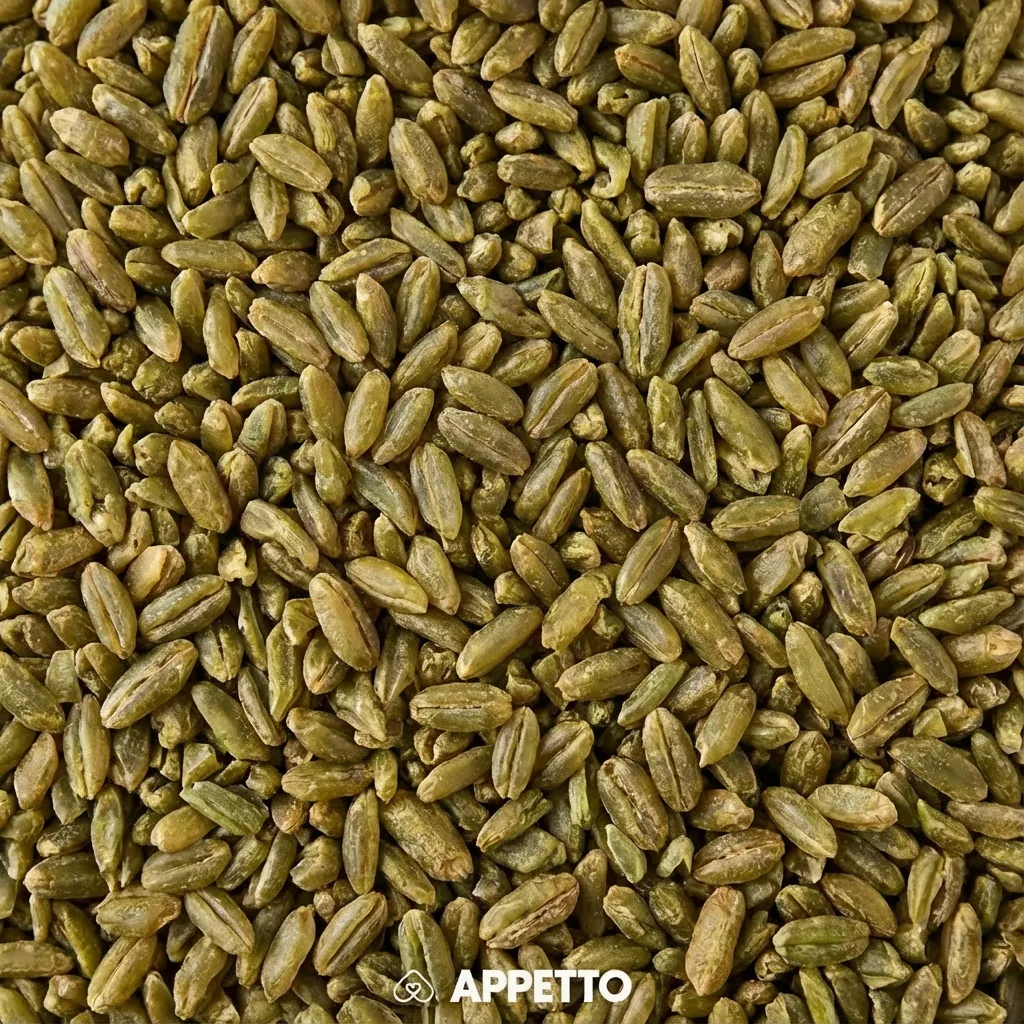
Freekeh, also known as roasted green wheat, is a cereal that some owners consider sharing with their pets. Can dogs eat freekeh? Yes, but it is only allowed in moderation.
Nutritional Value and Benefits
The overall nutritional value of freekeh for dogs is low. Its primary benefit is a modest energy supply derived from its starch content. Dogs are capable of digesting starch, which allows this cereal to provide energy, but it is important to keep the amounts measured.
Preparation
If you choose to offer roasted green wheat to your dog, it must be cooked. Well-cooked grains are much better tolerated by their digestive system.
Potential Risks
While freekeh is allowed in moderation, it does present specific nutritional risks. First, consuming too much starch can lead to weight gain.
Additionally, freekeh contains gluten, which are wheat proteins that can trigger an immune reaction in sensitive subjects. Therefore, there is a risk of nutritional toxicity related to gluten intolerance in predisposed dogs. A specific caution is advised for the Irish Setter, a breed known to be vulnerable to this kind of sensitivity.
Symptoms to Watch For
If your dog eats freekeh and has an allergy or intolerance, several symptoms may appear. You should monitor your dog for:
- Vomiting
- Diarrhea
- Itching
What to Do in Case of a Reaction
If your dog exhibits these symptoms after eating freekeh, closely monitor their condition. If the signs persist, worsen, or seem concerning, contact a veterinarian.
Frequently Asked Questions
Can dogs eat raw freekeh?
No, it is recommended to provide well-cooked grains, as they are better tolerated.
Is freekeh highly nutritious for dogs?
No, its nutritional value is considered low, offering only a modest energy supply from starch.
Discover APPETTO
To help you on a daily basis, the APPETTO application assists users in better understanding dog and cat nutrition and allows you to consult information on various foods. You can download it here: APPETTO.
This article is provided for informational purposes only and does not replace the advice or diagnosis of a veterinarian. A veterinarian should be consulted if any concerning or persistent symptoms occur.