


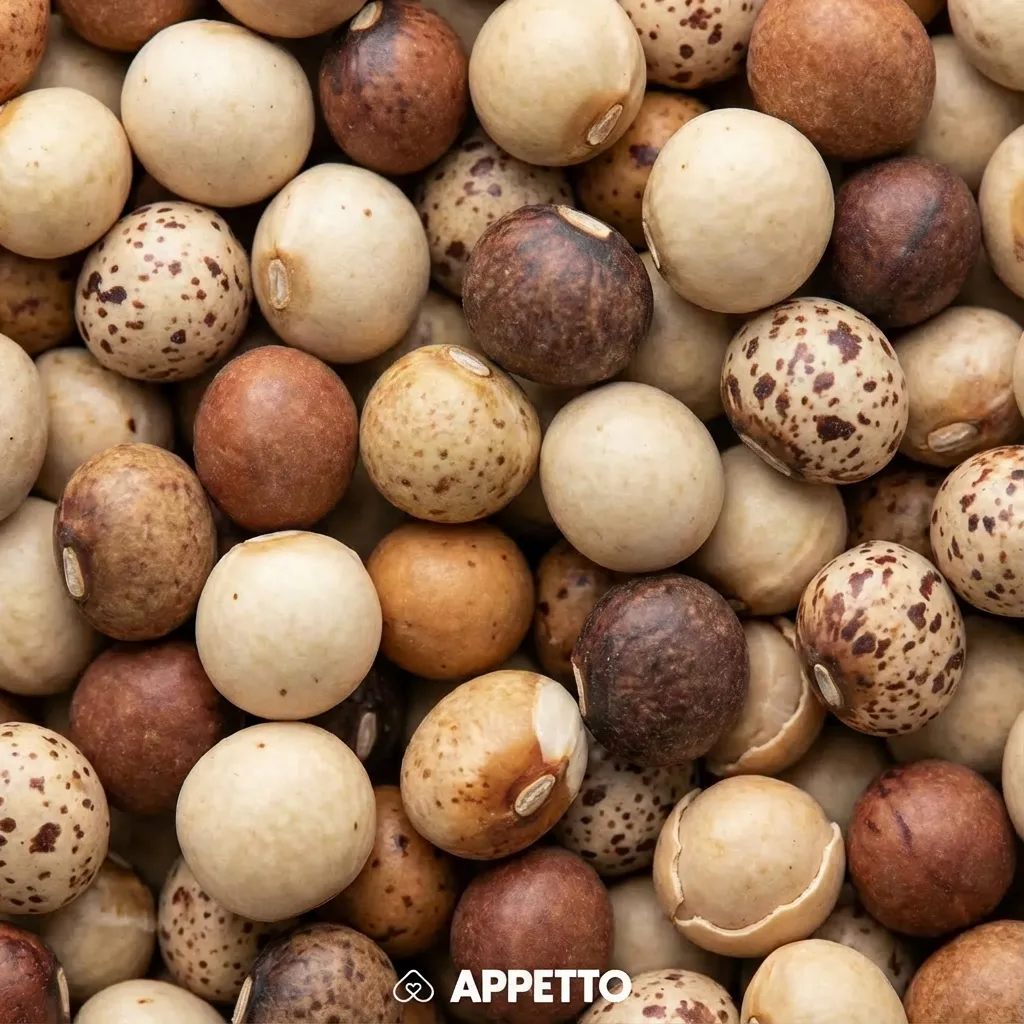
Bambara peas are allowed in moderation for dogs. However, they require careful preparation and should not be a staple in your pet’s diet.
Benefits and Nutritional Value
This legume provides an energy supply and plant proteins, along with some useful minerals. Despite these elements, its overall nutritional value for dogs is considered low.
Preparation and Safe Parts
It is essential to only offer the well-cooked and shelled seed. The peas must be soaked and boiled, and the hull must be removed. You should completely avoid giving the raw seed, the hull, and the dry pod. If the hull is not removed, it poses a mechanical risk as it can be irritating to the dog.
Potential Risks
Excessive consumption can lead to gastrointestinal issues, and giving bambara peas too frequently may result in a reduced absorption of essential minerals. The fermentable fibers in the peas can cause gas, bloating, and diarrhea.
Scientifically, they contain antinutrients such as phytates, which chelate minerals and decrease the bioavailability and absorption of zinc, iron, and calcium. Additionally, lectins can irritate the intestinal mucosa. Cooking and shelling the peas significantly reduce the levels of lectins, tannins, and phytates.
Symptoms to Watch For
Puppies and senior dogs have more fragile digestion and are particularly vulnerable to these risks. If your dog eats improperly prepared peas or consumes an excessive amount, the following symptoms may appear:
- Vomiting
- Flatulence
- Diarrhea
- Abdominal discomfort
What to Do
If you notice these signs, monitor your pet closely and contact a veterinarian if the symptoms persist or seem concerning. General recommendations suggest avoiding rations very rich in legumes, offering them only occasionally in small quantities, and always monitoring the dog’s digestion.
To better understand dog nutrition and access more information about various foods, you can use the APPETTO application, available for download at https://www.download.appetto.co.
This article is for informational purposes only and does not replace the advice or diagnosis of a veterinarian. Always consult a professional if your dog shows concerning or persistent symptoms.