


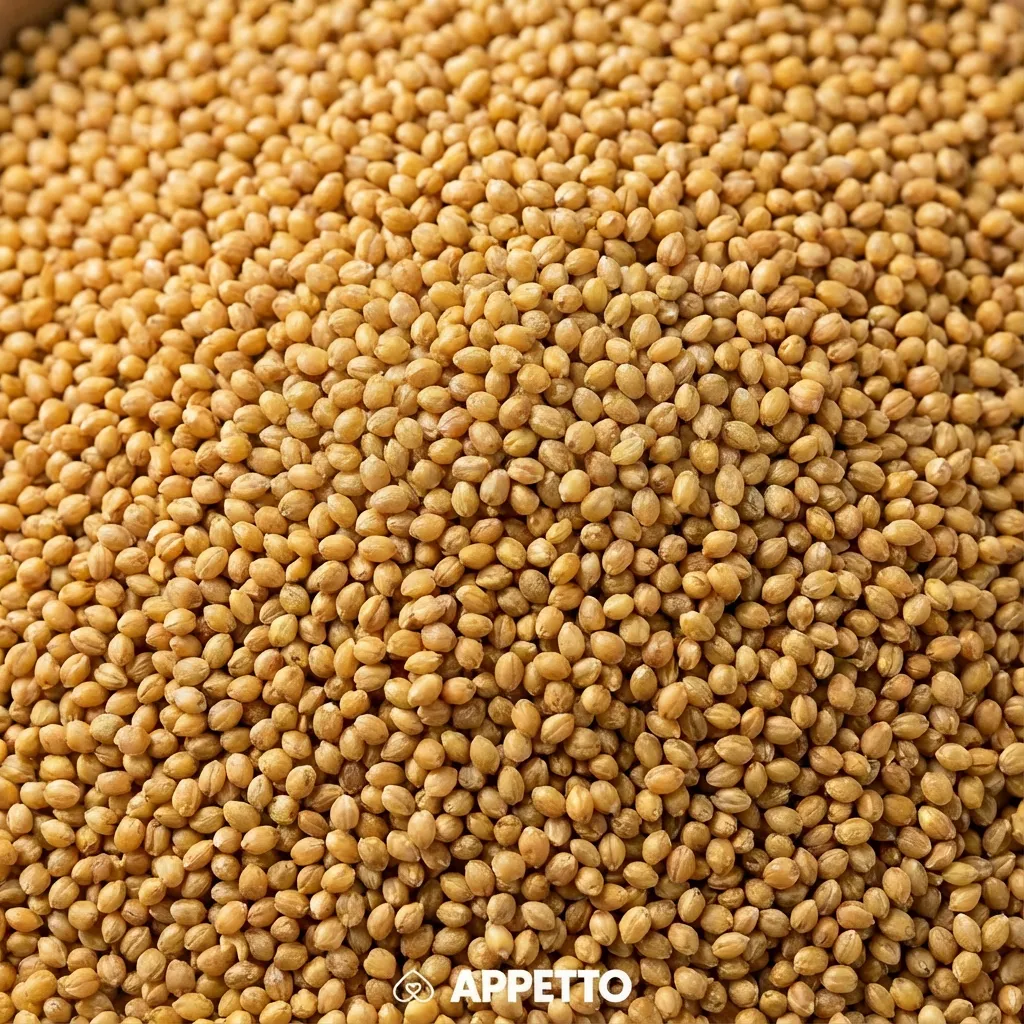
Millet (Panicum miliaceum s.l.) is a cereal that sometimes raises questions among pet owners. For cats, its consumption is allowed in moderation.
Nutritional Value and Benefits
The data highlights zero nutritional value in feeding millet to a feline. It is well established that cats do not need cereals in their diet. Furthermore, although this cereal is a general marker for gluten-free diets, gluten intolerance is not described in cats. Therefore, millet offers no specific benefits to this species.
Risks and Mechanisms
Cats are strict carnivores, which explains their very limited use of dietary carbohydrates. The main risk associated with millet is nutritional: the carbohydrates it contains are of little use to the feline metabolism. They are essentially empty calories which, if given in excess, can lead to an unbalanced diet.
Caution is specifically required for vulnerable animals, such as obese or diabetic cats.
How to Serve It?
If you choose to offer a small amount, millet must always be cooked. In this form, crumbs are better tolerated by the animal.
Symptoms to Monitor
Inappropriate ingestion can cause digestive issues. The symptoms to watch for include:
- Vomiting
- Diarrhea
What to Do in Case of Symptoms?
If your cat exhibits these symptoms after eating millet, it is advisable to monitor them closely. If the symptoms persist, worsen, or seem concerning, contact a veterinarian.
Discover APPETTO
The APPETTO application helps users better understand the diet of dogs and cats by allowing them to check information on various foods.
This article is provided for informational purposes only and does not replace the advice or diagnosis of a veterinarian. A professional should be consulted in the event of concerning or persistent symptoms.