


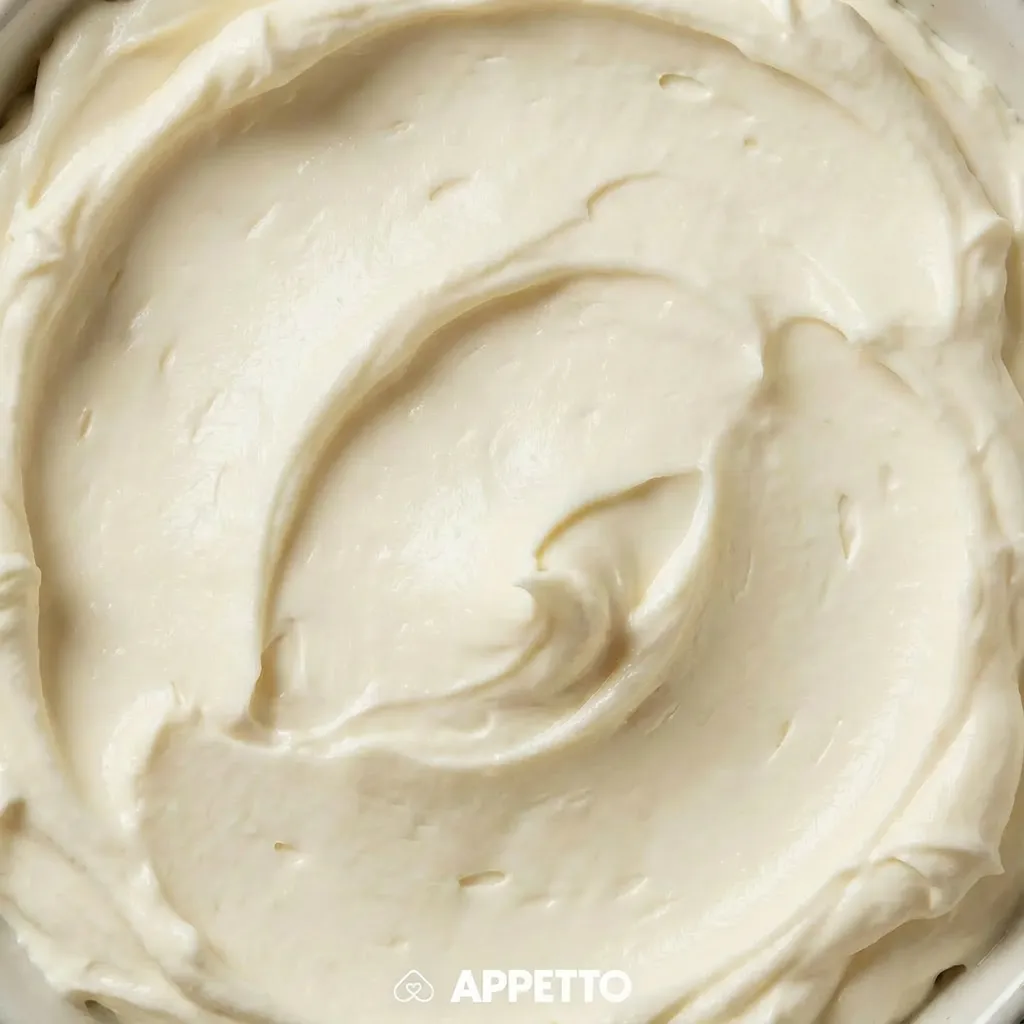
Plain cream cheese should be avoided for cats. Even plain, it can contain lactose, salt, and fats—three things that are not exactly useful to a strict carnivore. Yes, its texture is handy for hiding a pill, but as a regular treat, it’s best to respectfully pass.
Quick verdict
- For cats: avoid.
- Key takeaway: lactose, salt, and fats can cause vomiting, diarrhea, or digestive overload in sensitive cats.
Plain cream cheese for cats: allowed, limited, or forbidden?
Plain cream cheese is not recommended for cats. Some vets may sometimes tolerate a micro-amount to make giving medication easier, but it is not a suitable treat. Adult cats often have trouble digesting dairy products.
Is plain cream cheese dangerous or toxic for cats?
It is not strictly toxic if it is plain, but it can cause digestive issues. Lactose can lead to vomiting or diarrhea, and the salt content is unsuitable for cats with heart conditions or on specific diets.
What are the potential benefits?
The benefits are minimal and mostly practical.
- Useful texture for hiding a pill, but only if approved or tolerated.
- No real nutritional value in a complete feline diet.
What are the risks?
Cream cheese can be more problematic than it seems.
- Lactose: vomiting, diarrhea, gas, or discomfort.
- Salt and fats: unnecessary calories, weight gain, and risks for fragile cats.
- Parts to avoid: all flavored versions, garlic and herbs, onion, spices, or salted products.
How much can you give your cat?
No amount is recommended as a treat. If a micro-amount is used for a pill, it should remain an exception.
- Adult cat: avoid; micro-trace only if absolutely necessary.
- Sensitive cat: strictly avoid.
- Kitten: completely avoid.
Can my cat eat plain, flavored, or cooked cream cheese?
Plain cream cheese remains ill-advised. Flavored versions must be strictly avoided, especially those with garlic, onion, herbs, or spices. Cooked in a recipe, it might be combined with salt, butter, dough, or other unsuitable ingredients.
How to prepare it correctly?
- Do not prepare cream cheese for your cat as a treat.
- If using it for a pill, use a micro-trace only.
- Monitor their stool, appetite, and behavior after ingestion.
When should it be avoided?
- Kittens.
- Senior cats.
- Cats with heart conditions, kidney failure, obesity, or lactose sensitivity.
- Cats on medication or a low-salt veterinary diet.
My cat ate plain cream cheese: what should I do?
If your cat ate a small amount of plain cream cheese, keep an eye on them. If the cheese was flavored, very salty, or if your cat is vomiting, has diarrhea, or seems lethargic, contact your vet.
What signs should you look out for?
Vomiting, diarrhea, gas, lethargy, unusual thirst, loss of appetite, or behavioral changes should be a warning.
What are safer alternatives?
- A specific veterinary paste for hiding pills.
- An appropriate feline treat.
- A small piece of plain cooked chicken, if compatible with the medication.
How can APPETTO help?
APPETTO helps you better understand foods that seem convenient but aren’t necessarily suitable for cats. Thanks to the Pet-Score®, you can compare products and make more informed choices for their bowl. Download APPETTO.
FAQ
Is plain cream cheese toxic to my cat?
No, not in the strict sense, but it can cause vomiting or diarrhea due to the lactose.
How much cream cheese can I give my cat?
No amount is recommended. A micro-trace can sometimes help with a pill, but never as a treat.
Can my cat eat garlic and herb cream cheese?
No, flavored versions must be strictly avoided.
Can my cat eat cream cheese every day?
No, it is not suitable for their diet.
What signs should I watch for if my cat ate cream cheese?
Watch for vomiting, diarrhea, gas, lethargy, and loss of appetite.
Can a kitten eat plain cream cheese?
No, kittens should avoid standard dairy products and stick to a suitable diet.
In conclusion, plain cream cheese should be avoided for cats, except for very occasional and careful micro-use. To better compare products and understand what is truly right for your cat, APPETTO is here to help with the Pet-Score®. Download APPETTO.
Credits and disclaimer
Credits: Content created by the APPETTO team based on referenced sources and internal food classification methodology.
Disclaimer: This information is general and does not replace veterinary advice.