


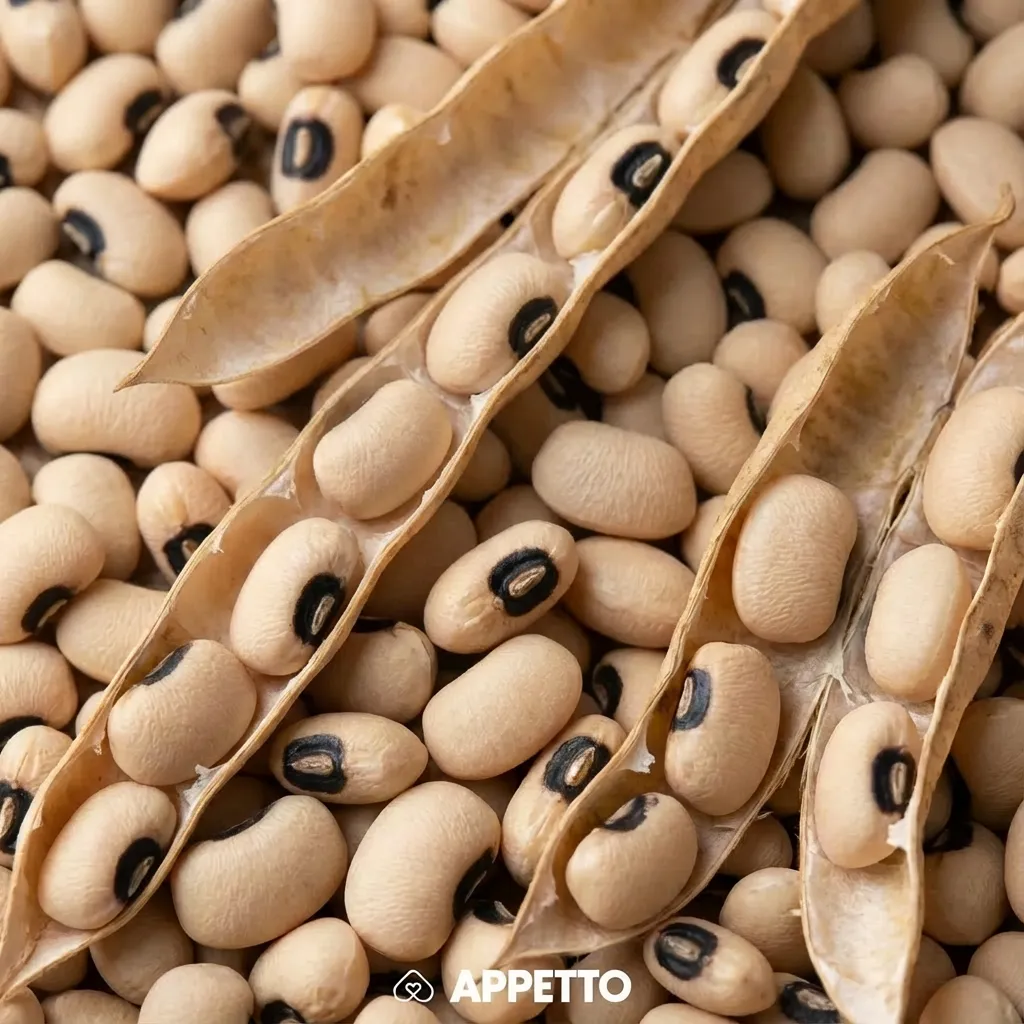
The black-eyed bean (or black bean) is a legume that cat owners may wonder about. According to available information, it is authorized in moderation for your cat, provided strict preparation guidelines are followed.
Nutritional Value and Benefits
The overall nutritional interest of the black-eyed bean for a cat is low. However, it can provide a possible small fiber intake when given in appropriate amounts.
Risks and Scientific Explanations
There are notable risks if the bean is not properly prepared or if given in large amounts:
- Chemical toxicity: Raw beans contain phytohemagglutinin, a type of lectin that causes rapid digestive effects, leading to vomiting and diarrhea.
- Nutritional risk: An excess of fiber can cause gas and gastrointestinal pain.
As a result, feeding too many beans can lead to overall gastrointestinal issues.
Preparation: Cooked vs. Raw
Adequate cooking is absolutely essential to neutralize the phytohemagglutinin. Therefore, only the cooked bean is allowed, and it should be offered in very small quantities. The raw bean must be completely avoided.
Vulnerable Cats
Kittens and senior cats are considered more sensitive to the potential adverse effects of these beans, requiring extra caution.
Symptoms to Watch For
If your cat ingests raw beans or consumes too much, the following poisoning symptoms may appear:
- Vomiting
- Diarrhea
- Gas
What to Do in Case of Ingestion
If your cat has eaten raw beans or is displaying any of the symptoms listed above, carefully monitor their condition. Contact a veterinarian if the symptoms appear, persist, or seem concerning. Keep in mind that this article cannot assess the individual severity of the ingestion.
About APPETTO
To learn more about your cat’s diet and check information on various foods, you can use the APPETTO app.
This article is provided for informational purposes only and does not replace the advice or diagnosis of a veterinarian. A veterinarian should be consulted if any concerning or persistent symptoms occur.