


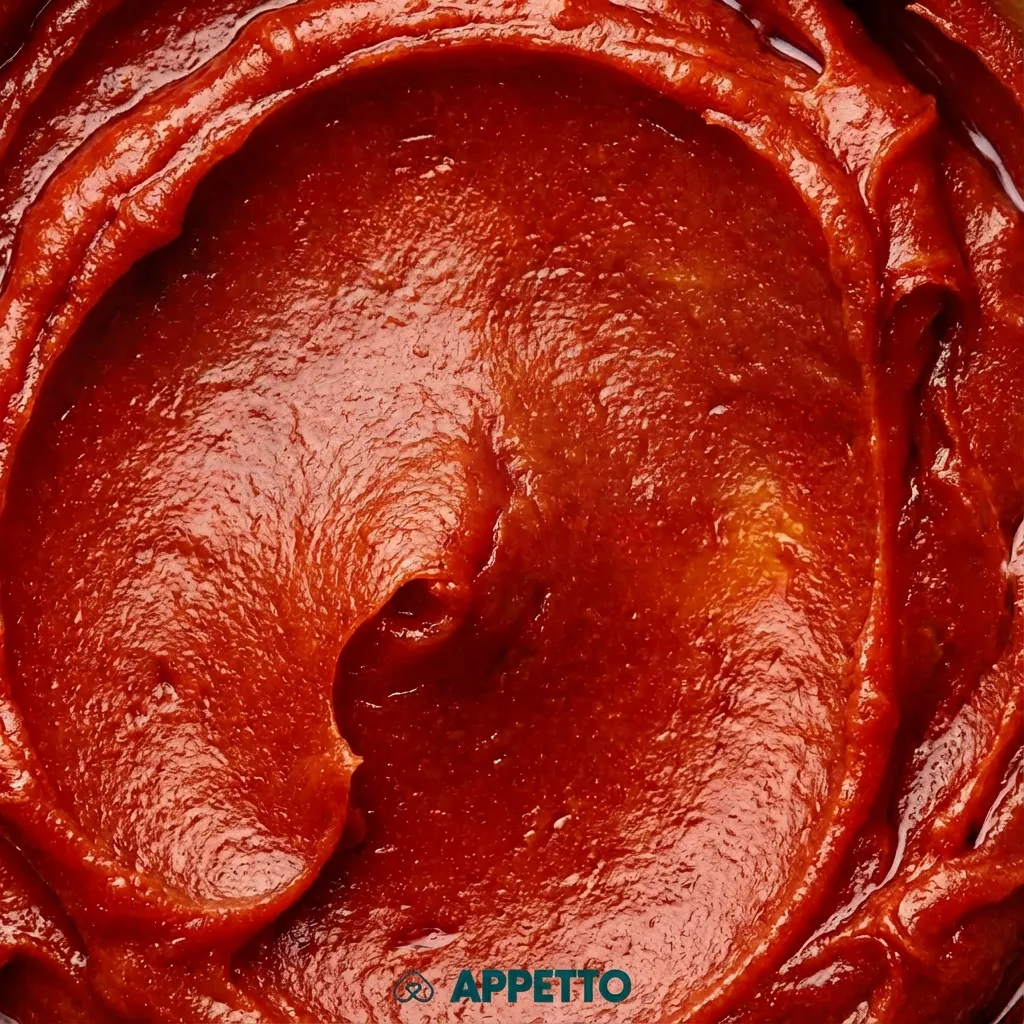
When considering different dietary additions for our feline companions, some ingredients might seem harmless. However, when it comes to palm oil, it is an ingredient that should be avoided for cats.
Why Palm Oil Should Be Avoided
According to nutritional data, palm oil has no nutritional value for cats. It presents a high caloric density without providing any essential fatty acids. Specifically, the palmitic acid profile means it contains an excess of saturated fats while offering little to no interest regarding omega-3 or arachidonic acid.
Risks Associated with Palm Oil
Feeding palm oil to cats presents a clear nutritional risk. The high level of saturated fats can lead to weight gain and digestive issues. Whether the oil is provided in a raw or processed form is indifferent, as its low nutritional interest and high saturated fat content remain the same.
Vulnerable Cats
Some cats are more sensitive to the negative effects of this fat. Obese and senior cats are particularly vulnerable and may be more easily affected by the ingestion of palm oil.
Symptoms to Watch For and Actions to Take
If a cat consumes palm oil, symptoms of digestive upset may appear. The primary signs to monitor include:
- Vomiting
- Diarrhea
If your cat ingests palm oil and these symptoms appear, persist, or seem concerning, it is advisable to contact a veterinarian. It is recommended to discard palm oil in favor of better oils for the skin, such as rapeseed or olive oil, which can be used sparingly.
Discover APPETTO
To learn more about your pet’s diet, you can download APPETTO. This application helps users better understand what dogs and cats can eat and allows you to consult information on various foods. Visit https://www.download.appetto.co.
This article is provided for informational purposes only. It does not replace the advice or diagnosis of a veterinarian. A veterinarian should be consulted in the event of persistent or concerning symptoms.