


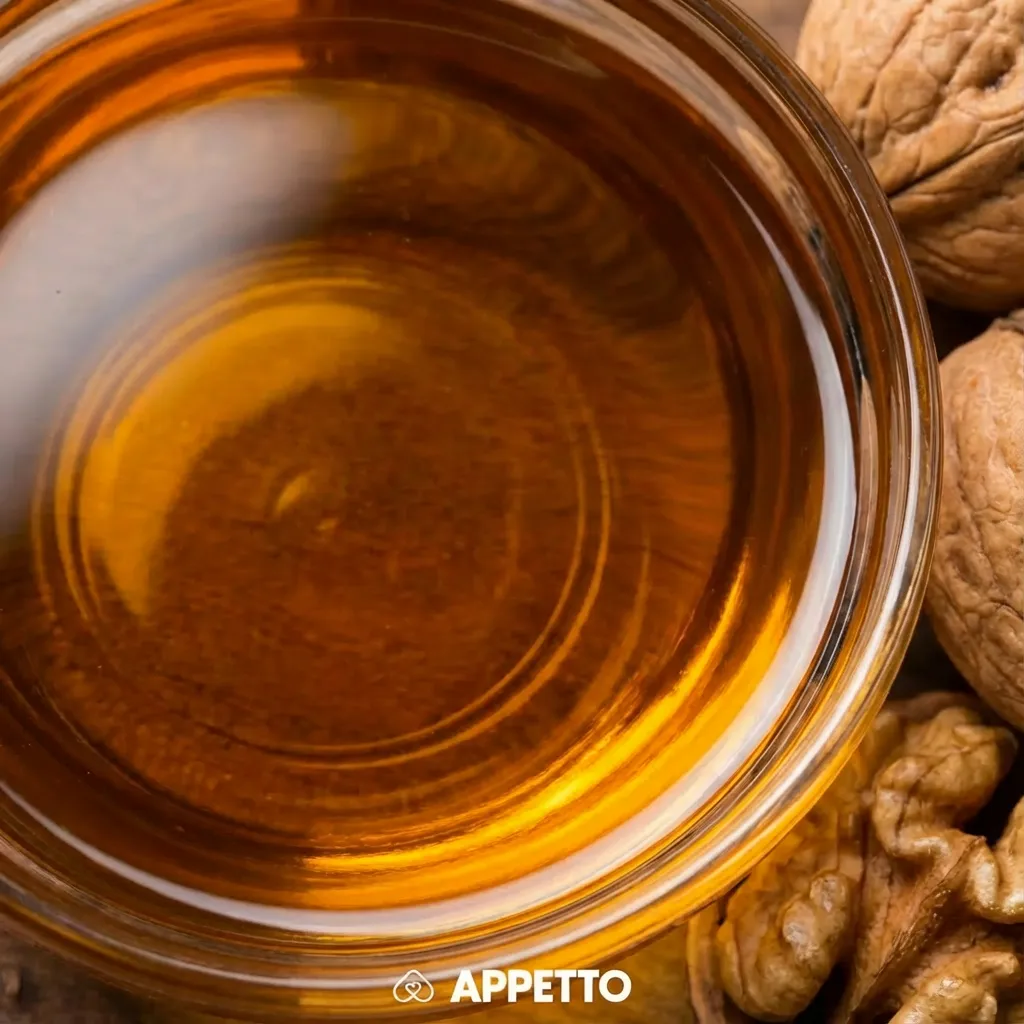
Walnut oil is allowed in moderation for dogs. While it can offer some specific benefits, it must be used carefully due to its low overall nutritional value and potential health risks if not properly managed.
Benefits for Skin and Coat
When given appropriately, walnut oil provides linoleic acid and alpha-linolenic acid (ALA), which are beneficial for maintaining a healthy skin and coat in dogs.
Potential Risks and Mechanisms
There are specific nutritional risks associated with this oil. It contains high levels of omega-6 fatty acids. If not properly balanced, this can lead to an omega-6/omega-3 imbalance and promote inflammation. Furthermore, the ALA found in walnut oil has a limited conversion to EPA and DHA in dogs, resulting in a lesser anti-inflammatory effect compared to other sources.
An excess of lipids from the oil also presents a risk of pancreatitis in predisposed subjects. The Miniature Schnauzer is particularly vulnerable to this condition due to a known predisposition.
Preparation and Usage
If offered, the oil should be given raw to avoid oxidation caused by heat. It is officially recommended to use it only in small quantities and to balance it with a source of marine omega-3s.
Symptoms to Watch and What to Do
Consuming too much walnut oil can cause gastrointestinal issues. Symptoms to monitor include vomiting, diarrhea, and abdominal pain. If your dog exhibits any of these signs, carefully observe their condition and contact a veterinarian if the symptoms persist or seem concerning.
APPETTO is an application that helps users better understand dog and cat nutrition and consult information about various foods. You can download it at https://www.download.appetto.co.
This article is provided for informational purposes only. It does not replace the advice or diagnosis of a veterinarian. A veterinarian should be consulted if concerning or persistent symptoms appear.