


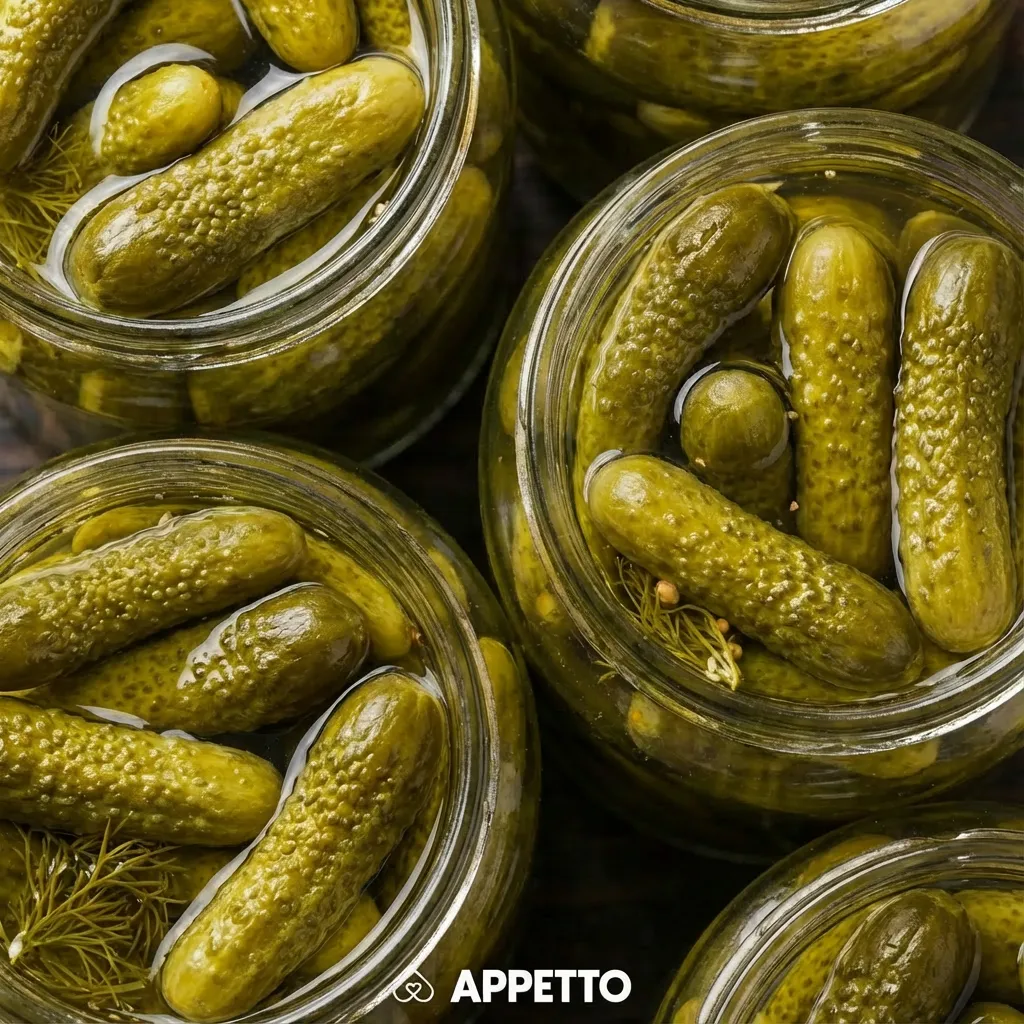
Dog owners often wonder if they can share their food with their pets. A pickle is allowed in moderation for dogs, provided certain precautions are taken to avoid digestive issues.
Potential Benefits and Nutritional Value
Although its overall nutritional value is low, a pickle shares similarities with fresh cucumber. It has a high water content, which aids in hydration, and a low caloric intake. Scientifically, it contains soluble fibers, such as pectin, which help regulate intestinal transit by affecting the viscosity of the chyme.
Safe Preparation and Risks
To safely feed this to your dog, it should be served raw, in thin slices, and without excess. Only the flesh (pulp) is recommended. There is a mechanical risk associated with the fibrous skin and seeds, which can cause discomfort in sensitive dogs.
While the pickle itself is not toxic, it is important to avoid salty and acidic marinades due to the associated nutritional risks. To limit these issues and avoid diarrhea, it is highly recommended to prefer small slices of plain cucumber instead.
Vulnerable Dogs and Symptoms to Watch
Puppies and senior dogs are particularly sensitive to variations in fiber intake. If a dog consumes too large quantities, gastrointestinal issues may occur. The main symptoms to monitor in case of excessive ingestion are:
- Vomiting
- Diarrhea
If these symptoms appear after your dog has eaten too many pickles, keep a close eye on them and contact a veterinarian if the condition is concerning or persists.
About APPETTO
To learn more about what your pets can and cannot eat, you can use the APPETTO application. It provides helpful insights into canine and feline diets. Download it at https://www.download.appetto.co.
This article is provided for informational purposes only and does not replace the advice or diagnosis of a veterinarian. Always consult a veterinary professional if you have concerns about your dog’s health.