


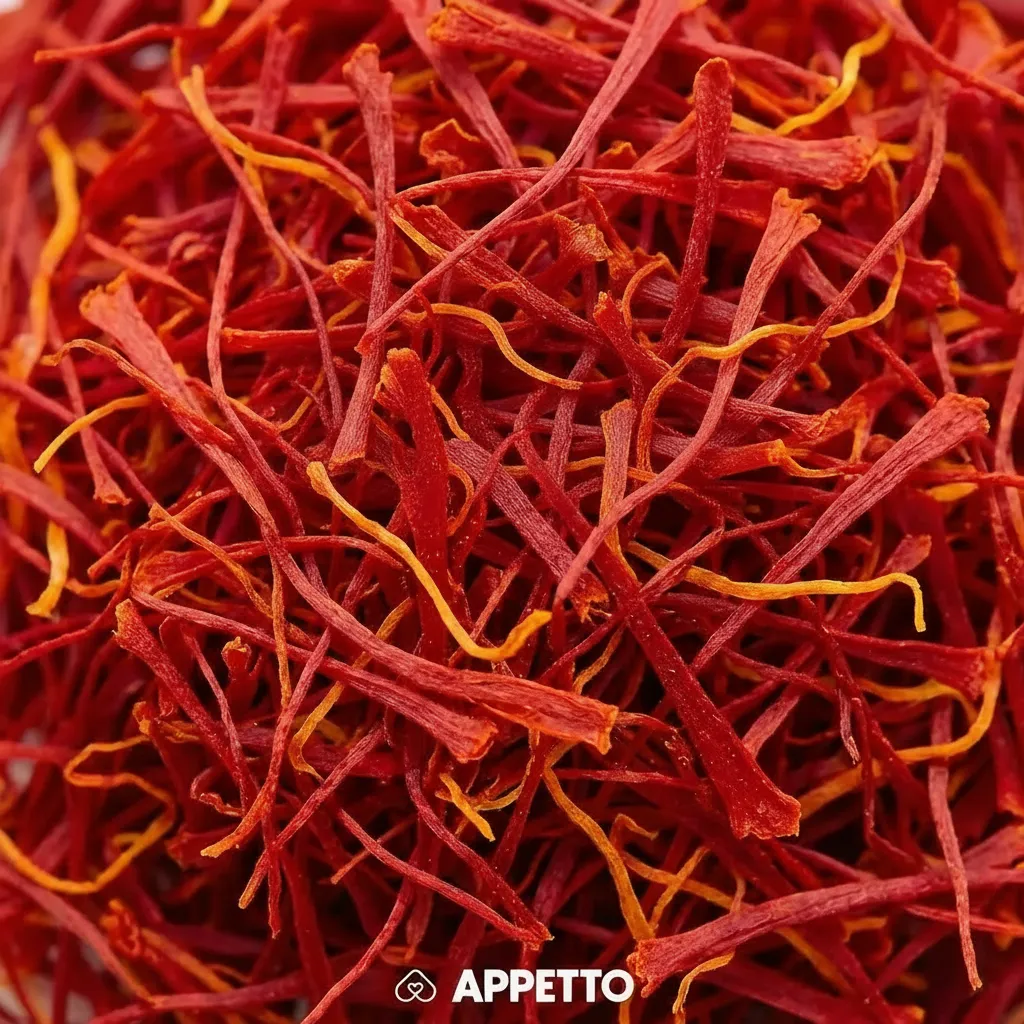
Can cats eat saffron? The short answer is that saffron is allowed in moderation, but its use requires strict precautions.
Nutritional Value and Preparation
The available data shows no nutritional value or specific health benefits for cats. Because saffron is a dry spice, any culinary use should be extremely occasional.
Risks and Scientific Mechanisms
While very small doses are generally non-toxic, saffron can cause digestive irritation if given in amounts beyond trace quantities. High doses can lead to chemical toxicity.
Saffron contains compounds like crocin and safranal. At high doses, these substances can trigger neuro-digestive effects, leading to excessive stimulation and nausea. Moreover, there is a significant taxonomic risk: true saffron must never be confused with the autumn crocus (colchique), which is a completely different and severely toxic plant.
Vulnerable Cats
Cats that are already sick, particularly those suffering from liver or kidney conditions, have an increased sensitivity to the effects of saffron and should be monitored closely.
Symptoms to Watch For
If a cat ingests a high dose of saffron, the following symptoms may appear:
- Vomiting
- Diarrhea
- Tremors
What to Do in Case of Ingestion
Since high quantities are dangerous and can cause notable digestive signs, it is important to avoid giving large amounts. If your cat ingests a significant dose of saffron, monitor them closely for any vomiting, diarrhea, or tremors. If these symptoms occur, appear concerning, or persist, you should contact a veterinarian.
Learn More with APPETTO
The APPETTO application helps users better understand dog and cat nutrition and consult information on various foods.
This article is provided for informational purposes only. It does not replace the advice or diagnosis of a veterinarian. A veterinarian should be consulted in case of concerning or persistent symptoms.