


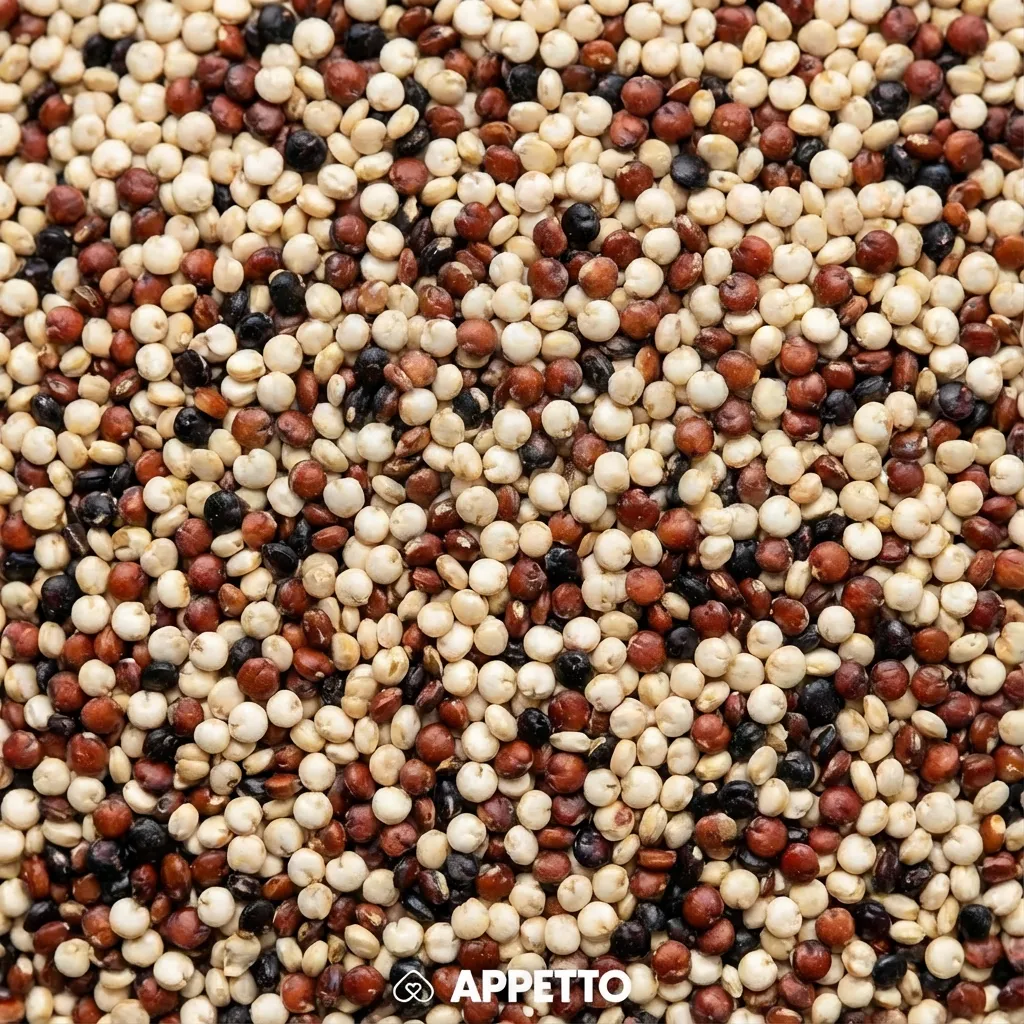
Quinoa is allowed in moderation for cats. It can be offered as an occasional supplement, provided it is prepared safely and correctly.
Benefits and Nutritional Value
While the overall nutritional value of quinoa is considered low for felines, it does provide plant-based proteins, fibers, and minerals. The insoluble fibers it contains increase stool volume and can help regulate transit when given in small quantities.
Potential Risks
Feeding quinoa to cats carries specific risks if precautions are not taken:
- Chemical toxicity: Quinoa contains saponins, which are bitter compounds that can irritate the intestine if the grains are not rinsed.
- Nutritional risk: Due to its carbohydrate content, excessive consumption can lead to weight gain.
Senior cats are particularly vulnerable to these issues due to their more sensitive digestion.
How to Safely Prepare Quinoa for Cats
Unrinsed raw grains must be completely avoided. It is recommended to thoroughly rinse the grains and cook them fully. Rinsing and cooking reduce the irritating effects of the saponins and ensure better digestive tolerance. Quinoa should be served fully cooked, in very small quantities or small portions, and mixed directly into the cat’s regular meal.
Symptoms to Watch For and What to Do
If quinoa is given in excess or poorly rinsed, it can cause gastrointestinal issues. The main symptoms to monitor include:
- Vomiting
- Diarrhea
- Bloating
If any of these symptoms appear, persist, or seem concerning, it is advised to contact a veterinarian.
About APPETTO
To better understand the diet of dogs and cats and access information about various foods, you can download the APPETTO app.
This article is provided for informational purposes only. It does not replace the advice or diagnosis of a veterinarian. A veterinarian should always be consulted if concerning or persistent symptoms appear.