


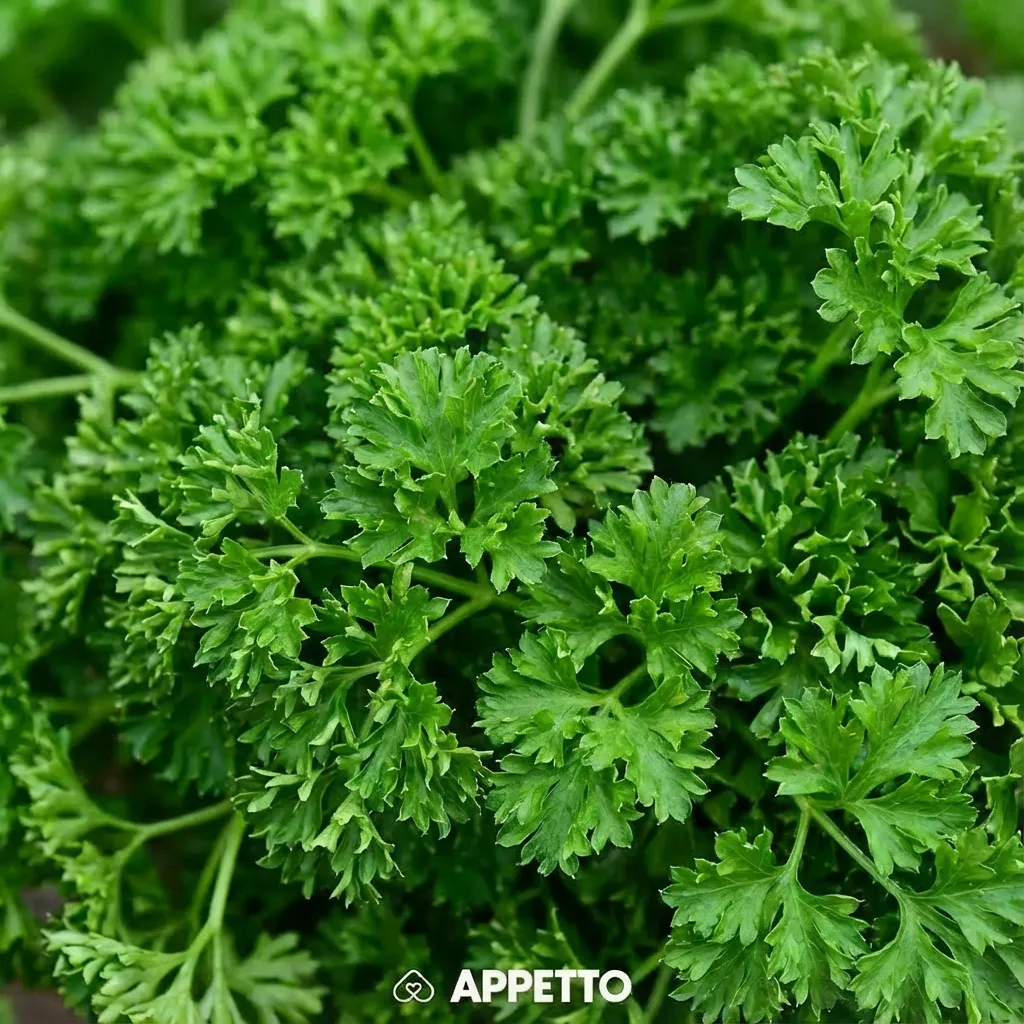
When it comes to feeding parsley to cats, opinions are divergent. While some sources consider it a safe and even beneficial herb in tiny amounts, others list it as toxic and warn against its consumption. Therefore, extreme caution is necessary.
Divergent Opinions on Parsley
The guidance on parsley varies significantly depending on the source. Some sources consider it safe or even very good as long as it is given in extremely small quantities. Conversely, some prominent animal welfare organizations list it as toxic, and other sources warn of potential kidney risks when consumed in large amounts.
Potential Benefits and Nutritional Value
Parsley has a low overall nutritional value. However, in tiny amounts, it may support immunity and vision. It also contains aromatic compounds that can have a slight digestive effect, acting as a moderate carminative and potentially improving palatability.
Risks and Symptoms to Watch For
Feeding parsley to a cat carries notable risks, especially if consumed in excess:
- Functional risk: Large quantities can lead to possible kidney overload.
- Nutritional risk: An excess of this herb may cause gastrointestinal issues.
- Mechanical risk: Hard stems can be problematic if given in elevated amounts.
If a cat eats too much parsley, symptoms of poisoning such as vomiting, diarrhea, and lethargy may appear. Cats suffering from kidney failure are particularly vulnerable and require increased caution.
Preparation Guidelines
If you choose to offer parsley, it must be restricted to very small amounts of raw, finely chopped leaves. Hard stems should be strictly avoided if the amount given is elevated.
What to Do in Case of Excess Ingestion
If your cat has consumed a large amount of parsley or exhibits symptoms like vomiting, diarrhea, or lethargy, monitor them closely and contact a veterinarian if the signs persist or seem concerning.
Learn More with APPETTO
To help you better understand the diet of dogs and cats, the APPETTO app allows you to consult information on a wide variety of foods. You can download it here: https://www.download.appetto.co.
This article is provided for informational purposes only and does not replace veterinary advice or diagnosis. A veterinarian should be consulted if concerning or persistent symptoms occur.