


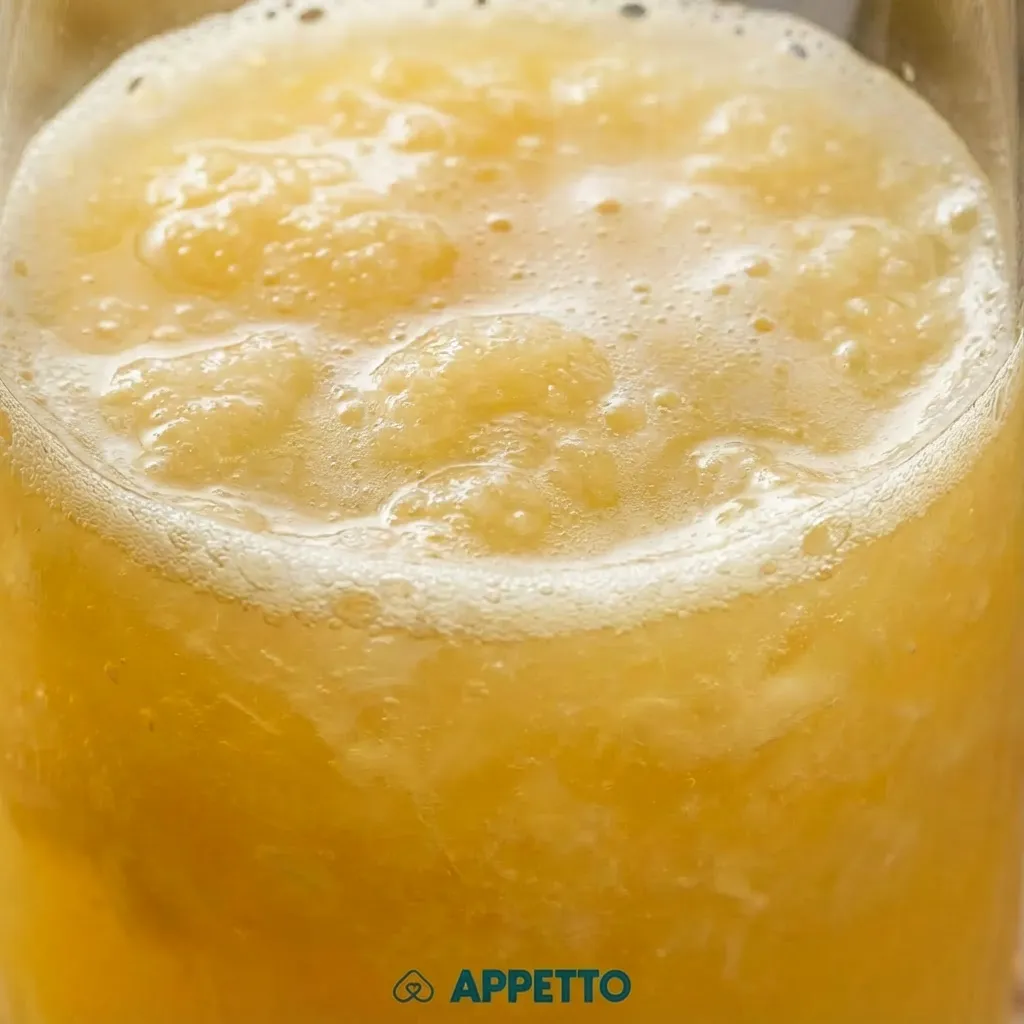
If you are wondering whether you can share some pineapple juice with your cat, the short answer is that it is to be avoided. This sweet beverage offers no real benefits for felines and can lead to digestive issues.
Nutritional Value and Benefits
While the fruit (Ananas comosus) may offer limited vitamin intake for a cat, the nutritional value of its juice is considered low. Whether raw or processed, this acidic and sweet liquid is ultimately useless for their diet.
Safe and Unsafe Parts
If a cat were to have contact with the fruit itself, only a very small amount of the ripe pulp is tolerated. The core and its central fibers must be strictly avoided.
Risks of Pineapple Juice for Cats
Cats are strict carnivores, and consuming this beverage exposes them to several issues:
- Nutritional imbalance: The unnecessary sugars in the juice provide no energy value for a cat and can unbalance its diet.
- Osmotic overload: The high fructose content accelerates intestinal transit, leading to digestive upset.
- Chemical toxicity: The organic acids naturally present in the juice can cause gastric mucosal aggression and irritation.
Vulnerable Cats
Diabetic cats are particularly vulnerable. The sugar content in pineapple juice presents a significant risk of metabolic decompensation for them.
Symptoms to Watch For
If your cat ingests this liquid, the following symptoms may appear:
- Vomiting
- Diarrhea
What to Do in Case of Ingestion
If your cat has consumed some of this beverage, monitor them closely for any signs of gastrointestinal distress. Should symptoms develop, persist, or seem concerning, it is advised to contact a veterinarian.
Learn More with APPETTO
To better understand your companion’s dietary needs and check information on various foods, you can download the APPETTO app.
This article is provided for informational purposes only and does not replace professional veterinary advice. Always consult a veterinarian if you have concerns about your pet’s health.