


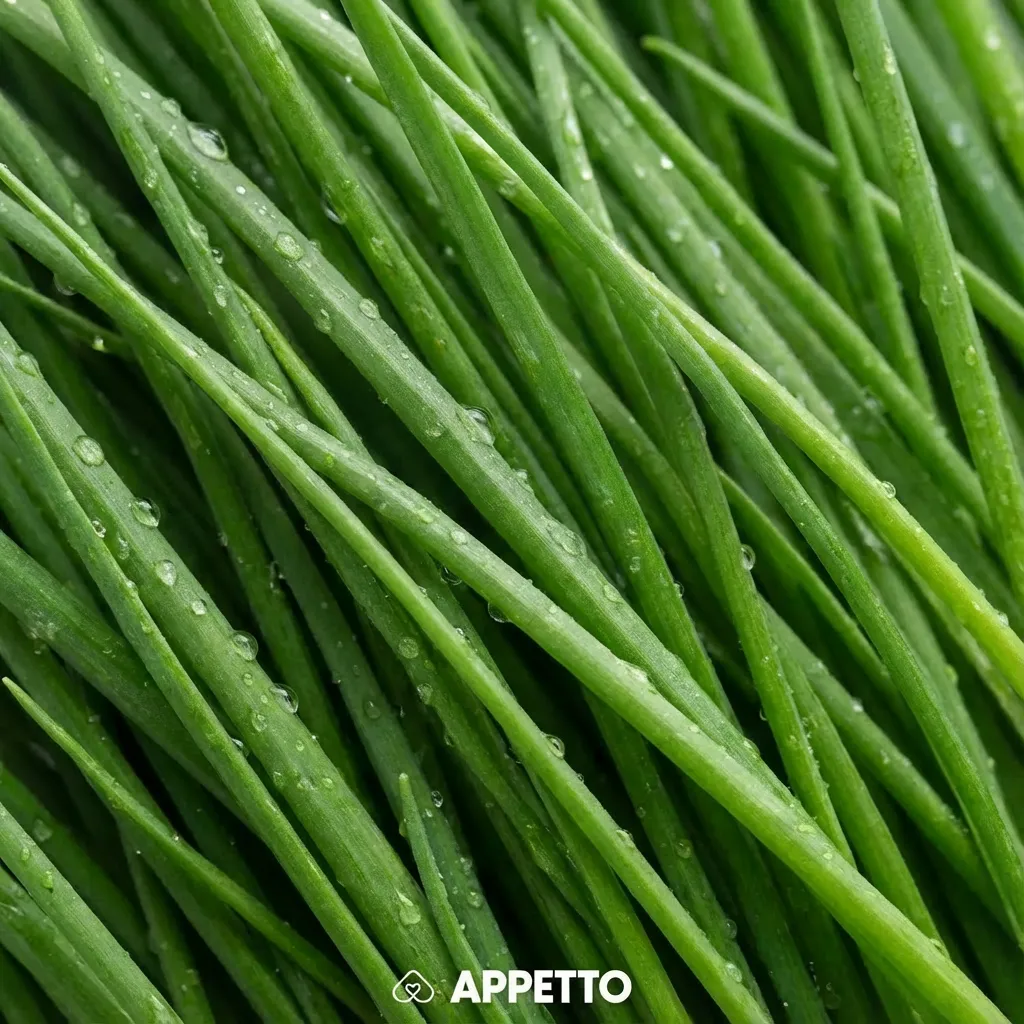
Chives are a popular herb used to flavor many human dishes. However, if you are wondering whether you can share them with your pet, the answer is an absolute no: dogs must never eat chives.
A Strictly Forbidden Food
This food is strictly forbidden. The available data indicates that chives offer no nutritional value or benefits for dogs. Instead, they pose a severe health risk.
Risks and Scientific Mechanisms
Chives belong to the allium family, which is highly toxic to dogs. This chemical toxicity is driven by compounds such as thiosulfates and organosulfurs. When ingested, these substances cause oxidative stress to erythrocytes and oxidize hemoglobin, leading to the formation of Heinz bodies. This harmful mechanism results in the destruction of red blood cells, which can trigger hemolytic anemia and hemoglobinuria.
Furthermore, there is a cumulative nutritional risk: consuming small, repeated doses over time increases the overall toxicity in the dog’s body.
Forms to Avoid
All parts and forms of chives are dangerous. Whether the herb is fresh, cooked, or in powder form, the toxicity remains. Cooking or processing the plant does not neutralize the toxic compounds.
Poisoning Symptoms to Watch For
If a dog is poisoned by chives, several clinical signs may appear. You should monitor your dog for the following symptoms:
- Vomiting
- Diarrhea
- General weakness
- Pale mucous membranes
- Dark urine
What to Do in Case of Ingestion
If your dog ingests chives, it is considered a veterinary emergency. Do not attempt any home remedies. Contact a veterinarian or an animal poison control center immediately, especially if symptoms appear or seem concerning.
Frequently Asked Questions
Are cooked chives safe for dogs?
No, chives remain toxic in all forms, including raw, cooked, and powdered. The toxic compounds are not destroyed by heat or preparation.
About APPETTO
To help you better understand the diet of dogs and cats, and to check information about various foods, you can use the APPETTO app. You can download it at https://www.download.appetto.co.
This article is provided for informational purposes only. It does not replace the advice or diagnosis of a veterinarian. A veterinarian should be consulted if concerning or persistent symptoms occur.