


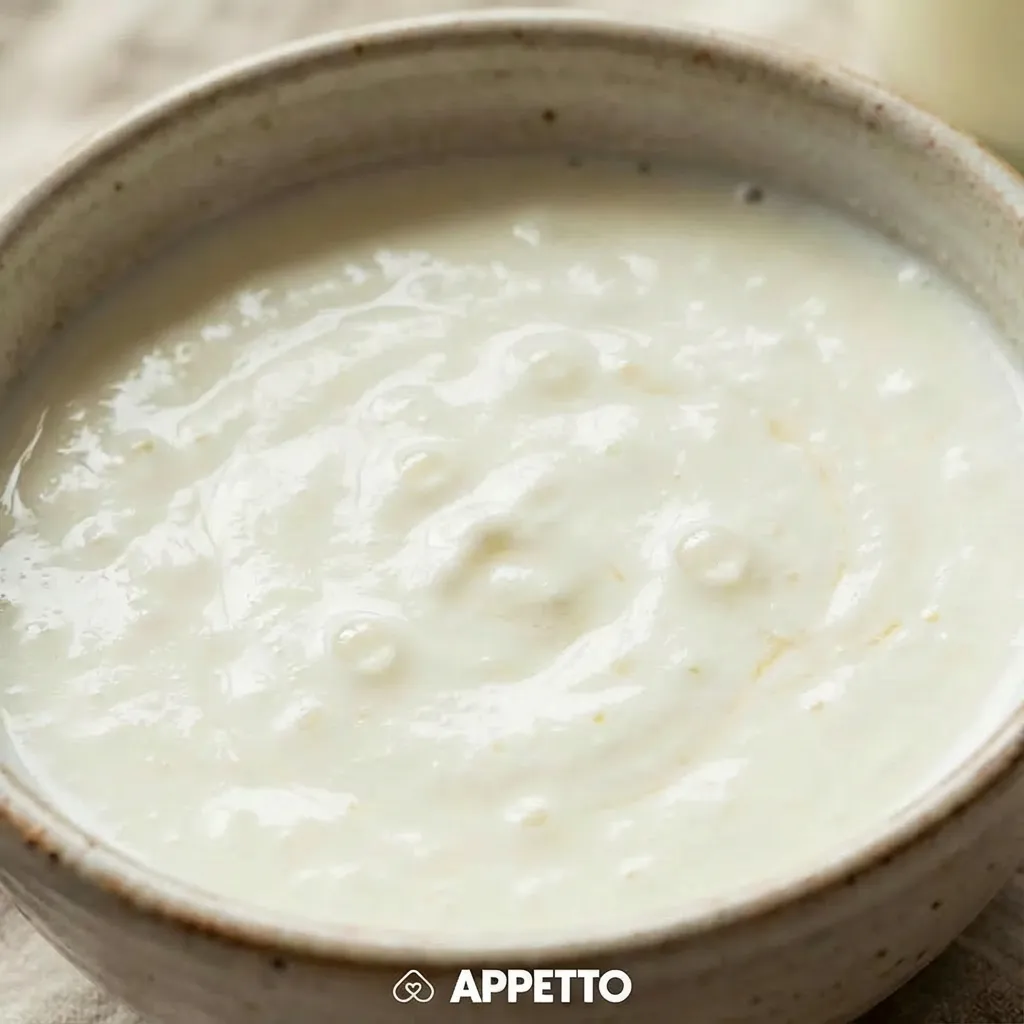
Buttermilk is generally best avoided for dogs. Even though it seems lighter than regular milk, it contains lactose, which is often poorly digested by adult dogs. The main risk isn’t severe toxicity from a tiny amount, but rather rapid digestive issues: diarrhea, flatulence, vomiting, discomfort… exactly the kind of “natural” idea that ends up needing a mop.
Quick verdict
- For dogs: best avoided.
- Good to know: lactose can ferment in the gut and cause diarrhea, gas, or vomiting, especially in sensitive dogs.
Buttermilk for dogs: allowed, limited, or forbidden?
Buttermilk is not considered an essential or even truly useful food for dogs. It doesn’t provide significant benefits compared to the digestive risks, especially if your dog doesn’t tolerate dairy products well. A small accidental lick usually isn’t a cause for panic, but it’s best not to offer it intentionally.
Is buttermilk dangerous or toxic for dogs?
Buttermilk is not strictly toxic like chocolate or grapes, but it can be problematic due to the lactose. In many adult dogs, the enzyme that digests lactose is quite inactive. As a result, undigested lactose ferments in the colon, which can lead to diarrhea, gas, abdominal pain, and vomiting.
What are the possible benefits?
The benefits of buttermilk for dogs are minimal and don’t really justify its use. Some owners mistakenly believe that a fermented dairy product is automatically good for digestion, but this isn’t a given for dogs.
- It may contain a few proteins and minerals, but in negligible amounts.
- Its nutritional value remains limited compared to the risk of lactose intolerance.
What are the risks to know?
The main risk with buttermilk is digestive, with tolerance varying greatly from one dog to another.
- Lactose: diarrhea, flatulence, bloating, or vomiting.
- Unnecessary calories: weight gain if given regularly.
- Parts to avoid: no specific parts, but the entire product should be avoided, especially if it’s sweetened, flavored, or unpasteurized.
How much should you give your dog?
It’s best not to intentionally give buttermilk to your dog. If they have licked a tiny amount, simply monitor their digestive tolerance.
- Small dog: avoid; a small accidental lick is already enough to monitor.
- Medium dog: avoid; do not exceed an accidental micro-amount.
- Large dog: avoid as well, since size doesn’t make lactose any more useful.
Can my dog drink raw, pasteurized, or processed buttermilk?
Pasteurized buttermilk is safer health-wise than raw milk, but it doesn’t solve the lactose issue. Raw or unpasteurized buttermilk should be strictly avoided, as it can present a microbiological risk. Sweetened, flavored versions, or those used in rich recipes should also be excluded.
How to react if you wanted to give them some?
- Avoid adding it to their bowl, even “just to test”.
- Choose a simple dog-friendly treat instead, low in fat.
- If your dog is on a veterinary diet or has a sensitive stomach, seek advice before introducing any new food.
When should it be avoided?
- Puppies, as their digestive system is still sensitive.
- Senior dogs, often less tolerant to dietary changes.
- Overweight dogs, or those prone to diarrhea, vomiting, or chronic digestive issues.
- Dogs undergoing treatment, with digestive, pancreatic, or renal diseases, or on a veterinary diet.
My dog drank buttermilk: what should I do?
If your dog drank a small amount of buttermilk, remove the product, leave fresh water available, and monitor their condition over the following hours. If the amount is large, if your dog is small, a puppy, senior, or sick, or if symptoms appear, contact your vet to find out what to do.
Which signs should alert you?
Watch out mainly for vomiting, diarrhea, significant gas, abdominal pain, lethargy, or unusual thirst. Mild diarrhea can sometimes resolve on its own, but persistent, severe signs, or those associated with a vulnerable dog, warrant veterinary advice.
What are safer alternatives?
- A small piece of cooked or raw carrot, depending on tolerance.
- A little plain cooked zucchini.
- A specially formulated dog treat, kept simple and given in reasonable quantities.
How can APPETTO help you?
When an everyday food seems harmless but raises questions, APPETTO helps you better understand what you are feeding your dog, compare kibble, wet food, and treats using the Pet-Score®, and make more informed choices. Download APPETTO.
FAQ
Is buttermilk toxic to my dog?
No, it isn’t toxic like certain dangerous foods, but it can cause digestive issues due to lactose.
How much buttermilk can I give my dog?
It’s best not to give any intentionally. An accidental micro-amount should be monitored, especially in a small dog.
Can my dog drink pasteurized buttermilk?
Pasteurized is safer than raw, but should still be avoided because it contains lactose.
Can my dog eat food prepared with buttermilk?
This is not recommended, especially if the recipe also contains sugar, salt, butter, or a lot of fat.
What signs to look for if my dog drank buttermilk?
Watch for diarrhea, vomiting, gas, abdominal pain, and lethargy.
Can a puppy drink buttermilk?
No, it’s best avoided. Puppies are more sensitive to digestive issues and should stick to an appropriate diet.
In short, buttermilk has little place in a dog’s bowl: not dramatic for an accidental lick, but unnecessary and often poorly tolerated. To better identify foods to avoid and compare suitable everyday products, you can use APPETTO and its Pet-Score®. Download APPETTO.
Credits and warning
Credits: Content created by the APPETTO team based on referenced sources and the internal food classification methodology.
Warning: This information is general and does not replace veterinary advice.