


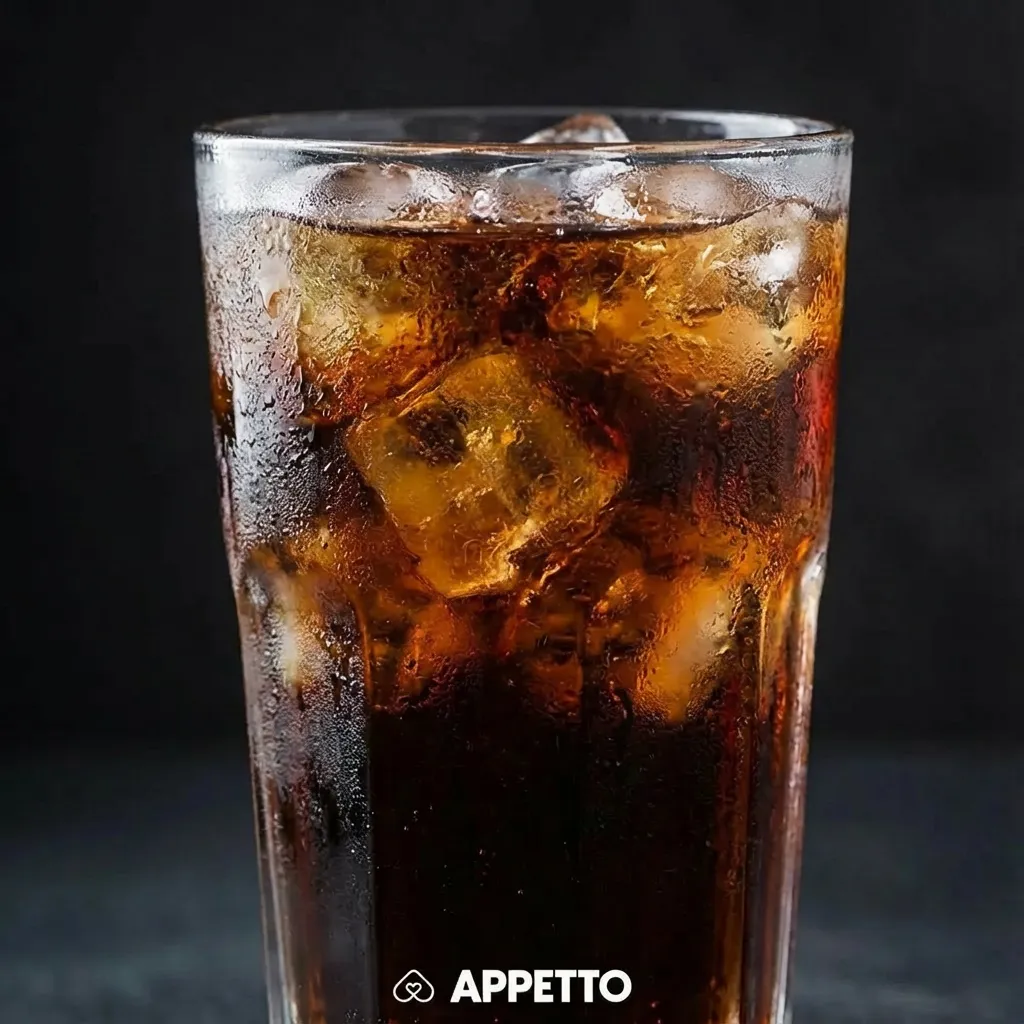
You might be tempted to share your beverage with your pet, but when it comes to soda (lemon), is it safe? The answer is straightforward: this drink is to avoid for dogs.
Nutritional Value and Benefits
Lemon soda has zero nutritional value and offers no health benefits for dogs. It is simply an acidic carbonated drink with no nutritional interest for your pet.
Main Risks and Scientific Explanations
Giving lemon soda to your dog can expose them to several risks:
- Nutritional risk from sugars: The high sugar content can lead to weight gain and an energy imbalance.
- Chemical toxicity from xylitol: If the soda contains sweeteners like xylitol, it poses a vital danger. Xylitol stimulates insulin release, which can cause a sudden and severe drop in blood sugar, resulting in hypoglycemia.
- Gastric irritation: The citric acid attacks and irritates the gastric mucosa. Furthermore, caution is advised with lemon derivatives in general, as parts of the lemon tree are known to be toxic.
- Mechanical risk from gas: The carbonation can cause gastric distension and bloating.
Vulnerable Dogs
Dogs that are prone to gastric dilatation-volvulus are particularly vulnerable, as the gas can aggravate bloating.
Symptoms to Watch For and What to Do
If your dog accidentally ingests lemon soda, they may exhibit the following symptoms:
- Vomiting
- Diarrhea
- Gas
- Abdominal pain
If these symptoms appear, persist, worsen, or seem concerning, it is advised to contact a veterinarian. Please note that this article cannot individually assess the severity of the ingestion.
Recommendations
It is strongly recommended to avoid giving lemon soda or lemonade to dogs. The acidity and sugars irritate the stomach, and there is absolutely no reason to offer it to a dog. Carbonated drinks, as well as those rich in sodium or sweeteners, should be banned from their diet entirely.
About APPETTO
If you want to make informed choices about your pet’s diet, the APPETTO application helps users better understand the diet of dogs and cats and consult information on various foods.
Note: This article is provided for informational purposes only. It does not replace the advice or diagnosis of a veterinarian. A veterinarian should be consulted in the event of concerning or persistent symptoms.