


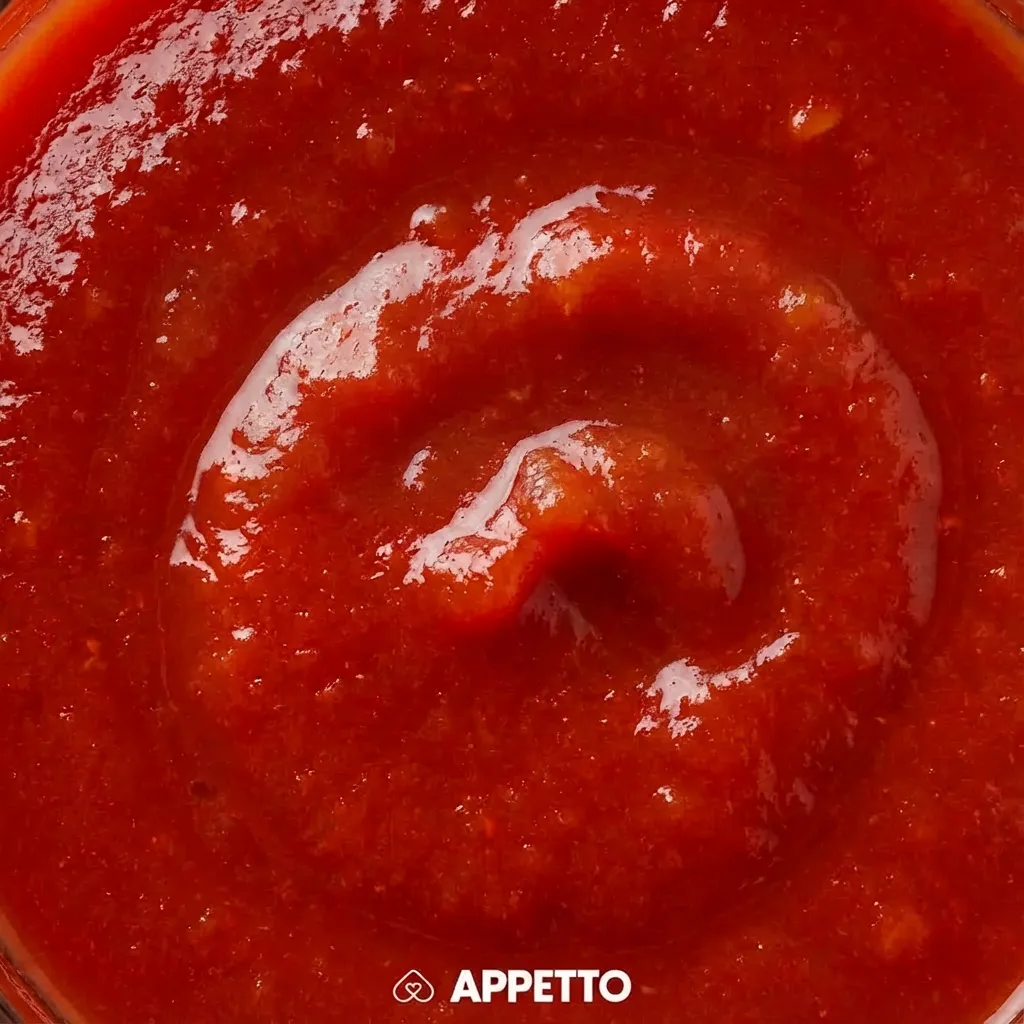
Many cat owners wonder if their feline companions can safely consume tomato juice. Regarding this drink, there are divergent opinions. While some sources consider it toxic or recommend eliminating it completely from a cat’s diet, others suggest that ripe tomatoes might be non-harmful or sometimes tolerated.
Benefits and Nutritional Value
The nutritional value of tomato juice is low. If a ripe tomato is given, it provides very little nutritional benefit. The ripe pulp is the only part that is sometimes tolerated by cats.
Risks and Scientific Explanations
There are notable risks associated with giving tomato juice to cats. Firstly, there is a nutritional risk due to the presence of sugars and acids, which can cause gastric irritation. Secondly, there is a chemical toxicity risk linked to the green parts of the plant, including the leaves and stems. These parts contain glycoalkaloids, specifically solanine and tomatine, which can severely irritate the digestive tract and lead to nausea and diarrhea.
Safe and Unsafe Parts
As mentioned, the green parts, leaves, and stems must be strictly avoided. If you choose to offer any, only the ripe pulp should be used, taking into account the divergent opinions on its safety.
Preparation and Vulnerable Animals
Due to uncertain data regarding whether it is safer raw or cooked, it is recommended to avoid offering it as a precaution. Sensitive cats are particularly vulnerable and may be prone to developing gastritis if they consume it.
Symptoms to Watch For and What to Do
If your cat ingests tomato juice or any green parts of the plant, you should monitor for the following symptoms:
- Vomiting
- Diarrhea
If these symptoms appear, persist, or seem concerning, it is highly advised to contact a veterinarian for proper guidance. Additionally, it is generally recommended to avoid feeding your cat any tomato sauces.
APPETTO
If you wish to learn more about your pet’s diet, you can download APPETTO. The application helps users better understand the dietary needs of cats and dogs and provides useful information on various foods.
This article is provided for informational purposes only and does not replace the advice or diagnosis of a veterinarian. A veterinarian should always be consulted in the event of concerning or persistent symptoms.