


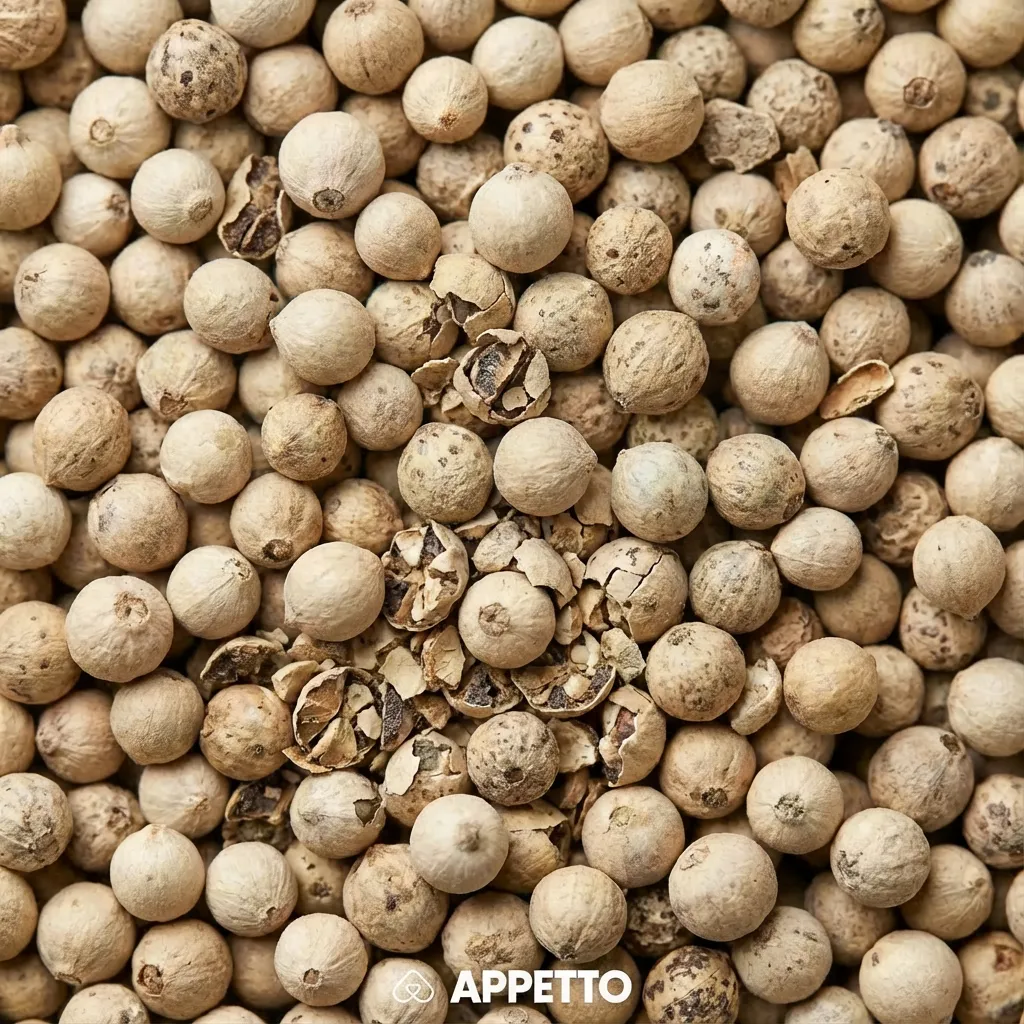
Are you wondering if your cat can have white pepper? The straightforward answer is that this spice is to be avoided. The data highlights no nutritional value or benefits for cats, and exposure can lead to several complications.
Risks of White Pepper for Cats
In its natural state, white pepper is an irritant. Exposure to this spice presents specific risks to a cat’s well-being:
- Chemical toxicity: White pepper contains piperine, a compound that can cause irritation to the oral and gastric mucous membranes. This can lead to digestive troubles.
- Mechanical risk: Because it is usually in powder form, white pepper poses a risk to the respiratory tract. If inhaled, the fine particles can cause significant respiratory irritation.
Vulnerable Animals
Asthmatic cats are generally more sensitive to dust and fine powders, making them particularly vulnerable to the inhalation risks associated with white pepper.
Symptoms to Watch For
If your cat has ingested or inhaled white pepper, certain symptoms may appear. You should monitor your feline for the following signs:
- Sneezing
- Coughing
- Vomiting
- Diarrhea
What to Do in Case of Exposure
If you suspect your cat has eaten or breathed in white pepper, closely observe them for any of the symptoms listed above. If you notice signs of digestive upset or respiratory distress, or if the symptoms persist or seem concerning, it is advisable to contact a veterinarian for guidance.
Learn More About Feline Diet with APPETTO
To help you make informed decisions about your pet’s diet, consider using the APPETTO app. It helps users better understand cat nutrition and provides a simple way to consult information about various foods. You can find more details at APPETTO.
This article is provided for informational purposes only and does not replace the advice or diagnosis of a veterinarian. A veterinarian should always be consulted in the event of concerning or persistent symptoms.