


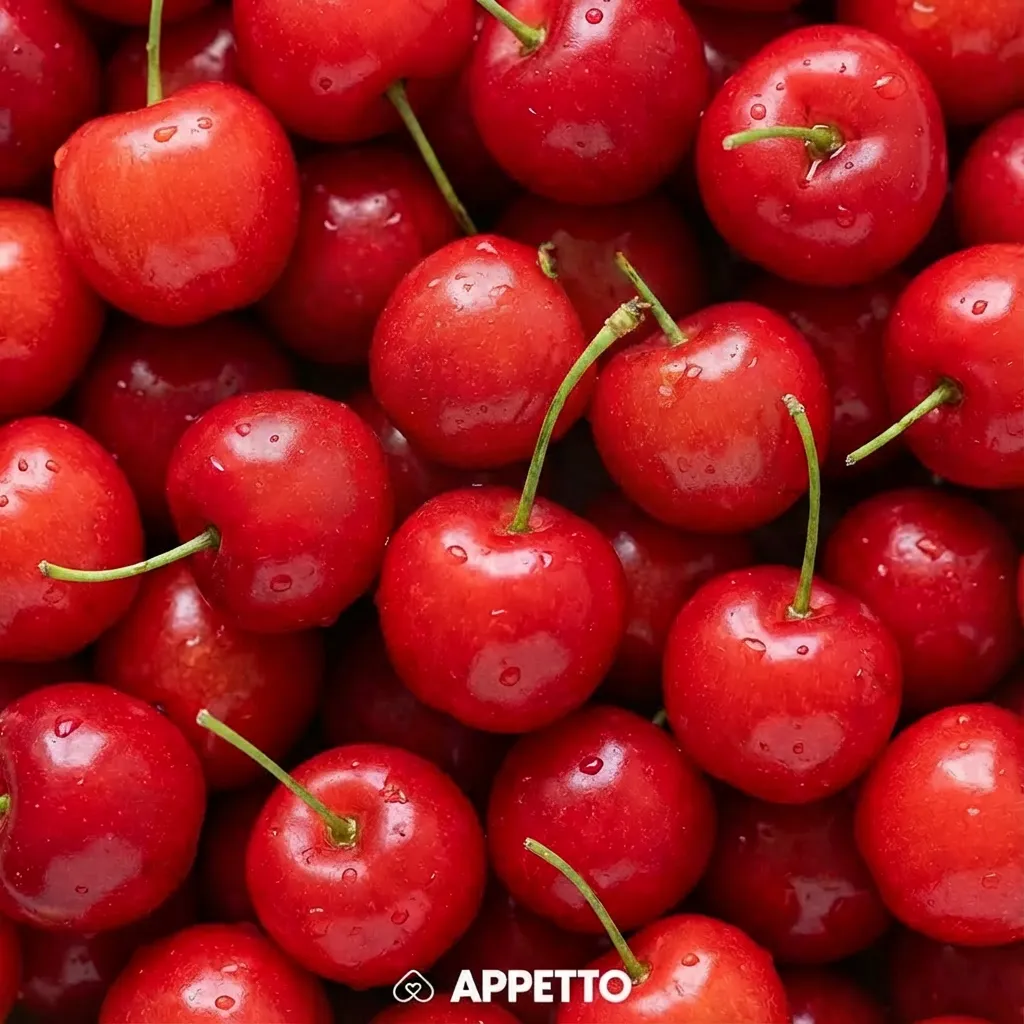
Dogs may tolerate a small amount of plain acerola pulp, but it is not an essential food. Because acerola is highly concentrated in vitamin C, larger or repeated servings may cause digestive upset in sensitive dogs.
Quick verdict
- For dogs: acceptable in small amounts, occasionally.
- Key point: plain pulp is preferable; concentrated powders and human supplements require veterinary guidance.
Can dogs eat acerola?
Acerola is not generally considered toxic to dogs. A small amount of plain pulp may be offered occasionally, but it should not replace a complete, balanced diet or be used as a routine supplement.
Is acerola dangerous or toxic to dogs?
Acerola is not considered toxic, but excessive or prolonged intake may be poorly tolerated. Dogs prone to urinary stones, digestive disorders, or kidney problems should receive it only with veterinary guidance.
Are there any benefits?
Acerola contains vitamin C and antioxidants, but dogs normally produce their own vitamin C. Any benefit is modest and does not justify routine supplementation.
- Provides vitamin C and plant antioxidants.
- May offer a small amount of micronutrients as an occasional food.
What are the risks?
The main concern is giving too much, especially in powdered or supplement form.
- Large amounts may cause vomiting, diarrhea, or stomach discomfort.
- Long-term supplementation may be unsuitable for dogs prone to urinary stones.
- Avoid sweetened products, concentrated human supplements, gummies, syrups, and products with additives.
How much acerola can a dog eat?
Keep the serving very small. Because powders and supplements vary greatly in concentration, do not use them regularly without veterinary guidance.
- Small dog: a tiny taste of plain pulp.
- Medium dog: a small amount of plain pulp occasionally.
- Large dog: a modest serving of plain pulp, offered only occasionally.
Can dogs eat raw, powdered, or processed acerola?
Fresh, plain pulp is the simplest option. Acerola powder is much more concentrated and should be used only with professional guidance. Avoid juices, candy, gummies, human tablets, syrups, and sweetened products.
How to prepare acerola for a dog
- Choose fresh, plain pulp with no added sugar.
- Offer a very small amount the first time.
- Monitor your dog’s digestion for the next 24 hours.
When should acerola be avoided?
- Puppies, unless a veterinarian recommends it.
- Senior or frail dogs.
- Dogs with urinary stones, kidney disease, or chronic digestive problems.
- Dogs taking medication or eating a prescribed veterinary diet.
My dog ate acerola: what should I do?
If your dog ate a small amount of plain pulp, monitor their digestion. Contact a veterinarian if a large amount of powder, supplement, syrup, or sweetened product was eaten, especially if vomiting or diarrhea develops.
Warning signs to watch for
Watch for vomiting, diarrhea, abdominal discomfort, lethargy, reduced appetite, or unusual thirst. Seek veterinary advice if symptoms persist or your dog is frail.
Safer alternatives
- A few plain blueberries.
- A small piece of seedless apple.
- A complete, balanced dog food rather than an unnecessary supplement.
How can APPETTO help?
Before adding fruit powders or supplements to your dog’s routine, APPETTO helps you compare products and understand where they fit with Pet-Score®. Download APPETTO.
FAQ
Is acerola toxic to dogs?
No, it is not generally considered toxic, but it should be offered only in very small amounts.
How much acerola can I give my dog?
Keep the serving small. Concentrated powders should not be used regularly without veterinary guidance.
Can dogs eat raw acerola?
Yes, a small amount of fresh, plain pulp may be offered occasionally.
Can dogs have acerola powder?
Only with caution and preferably after speaking with a veterinarian, because the powder is concentrated.
What signs should I watch for if my dog ate too much acerola?
Watch for vomiting, diarrhea, abdominal discomfort, lethargy, or unusual thirst.
Can puppies eat acerola?
It is best avoided unless a veterinarian recommends it, because puppies have more sensitive digestive systems.
Acerola may be tolerated by dogs in small amounts, but it is not needed every day. To better understand foods, supplements, and pet products, Download APPETTO.
Credits and disclaimer
Credits: Content prepared by the APPETTO team using referenced sources and its internal food classification methodology.
Disclaimer: This information is general and does not replace veterinary advice.