


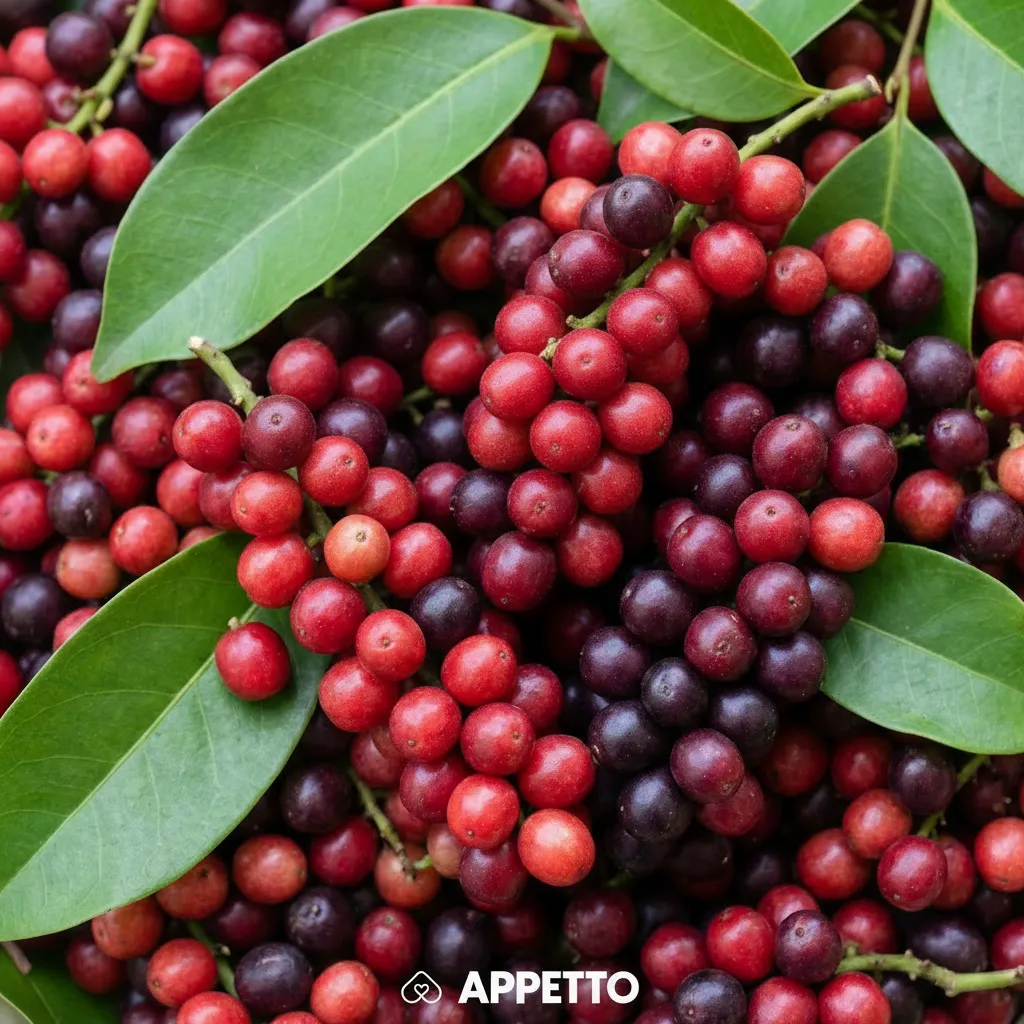
There is not enough reliable information about bignay in dogs. Although one source describes it as non-toxic, that is not enough to recommend it as a treat. The safest approach is not to offer it intentionally.
Quick verdict
- For dogs: insufficient data; caution is advised.
- Key point: avoid large quantities and monitor digestion after accidental ingestion.
Is bignay safe for dogs?
Bignay is not well enough documented in dogs to recommend it. The absence of confirmed toxicity does not mean the fruit is suitable, and a dog’s bowl should not be used as a testing ground.
Is bignay dangerous or toxic to dogs?
The available information does not report obvious toxicity, but the evidence remains limited. The most likely concern is digestive upset, especially in small dogs or dogs with sensitive stomachs.
Are there any benefits?
No clear benefit has been established for dogs. More familiar and better-studied fruits are easier to use safely.
- No demonstrated nutritional benefit in dogs.
- No established role in a balanced canine diet.
What risks should you know about?
The main concern is uncertainty. When evidence is limited, caution is the sensible choice.
- Vomiting or diarrhea may occur after excessive consumption.
- Tolerance may vary from one dog to another.
- Avoid large quantities, sweetened products, and processed foods.
How much bignay can a dog eat?
No regular amount is recommended. If your dog accidentally ate some, monitor them even if the amount was small.
- Small dog: avoid; monitor closely after accidental ingestion.
- Medium dog: do not offer intentionally.
- Large dog: do not offer intentionally.
Can dogs eat bignay raw, cooked, or processed?
It is best to avoid intentional feeding in any form. Bignay juice, jam, syrup, desserts, fermented fruit, and sweetened products are unsuitable for dogs.
What should you do after ingestion?
- Remove the fruit or product from your dog’s reach.
- Estimate the amount eaten.
- Monitor stool, vomiting, and behavior over the following hours.
When should it be avoided?
- Puppies.
- Small dogs.
- Dogs with sensitive digestion, diabetes, excess weight, or chronic illness.
- Dogs receiving medication or eating a veterinary diet.
My dog ate bignay: what should I do?
If your dog ate a very small amount, monitor them. If the amount was significant or symptoms appear, contact a veterinarian. Professional advice should take priority when the available safety data is limited.
What signs should you watch for?
Watch for vomiting, diarrhea, excessive drooling, fatigue, abdominal pain, or refusal to eat. Contact a veterinarian if symptoms persist.
What are safer alternatives?
- A few plain blueberries.
- A small piece of seedless apple.
- A familiar dog treat formulated for their needs.
How can APPETTO help?
When evidence is limited, APPETTO helps you take a cautious approach, compare products, and better understand food choices with Pet-Score®. Download APPETTO.
FAQ
Is bignay toxic to dogs?
The available information does not show clear toxicity, but the evidence is insufficient.
How much bignay can I give my dog?
No amount is recommended as a routine treat.
Can dogs eat raw bignay?
It is not recommended because reliable canine safety data is lacking.
Can dogs eat bignay jam?
No. Jam is too sweet and unsuitable for dogs.
What symptoms should I watch for after ingestion?
Watch for vomiting, diarrhea, fatigue, or abdominal discomfort.
Can puppies eat bignay?
No. It is best to avoid it for puppies.
Bignay is too poorly studied in dogs to recommend. To compare foods and choose products better suited to your dog, Download APPETTO.
Credits and disclaimer
Credits: Content developed by the APPETTO team using referenced sources and its internal food classification methodology.
Disclaimer: This information is general and does not replace veterinary advice.