


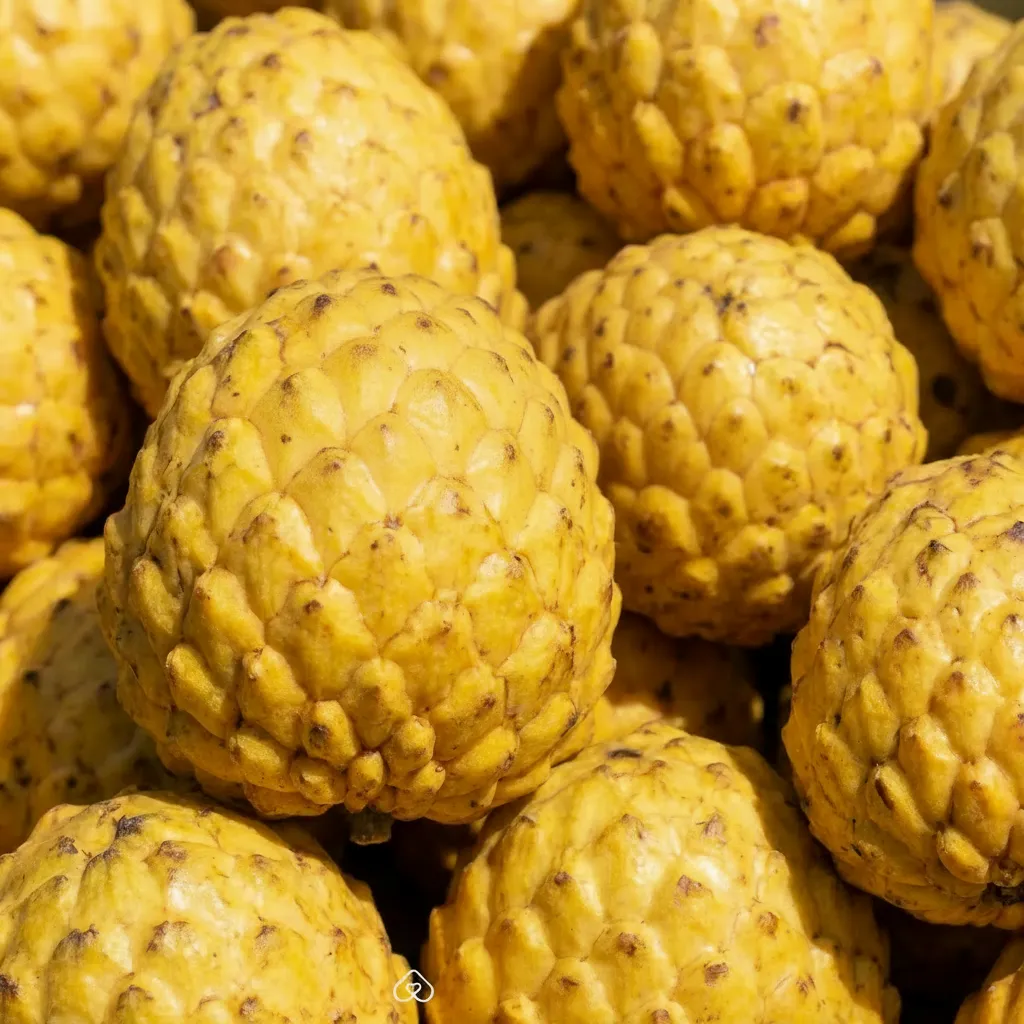
Biriba should be kept away from dogs. Like other fruits in the Annonaceae family, it may pose significant risks because of its seeds, skin, and leaves, which may contain compounds such as annonacin and cyanogenic substances.
Quick verdict
- For dogs: avoid completely.
- Key point: the seeds, skin, leaves, and fruit itself should not be offered.
Is biriba safe for dogs?
No. Biriba should not be offered to dogs. Available information about Annonaceae supports avoiding it, especially because of the seeds and skin.
Why is biriba dangerous for dogs?
The seeds may contain cyanogenic compounds capable of releasing cyanide, while annonacin is a concerning neurotoxin. Large seeds may also cause an intestinal blockage.
Are there any benefits?
No potential benefit justifies giving biriba to a dog. Even if the pulp appears appealing, the risks associated with the fruit are too serious.
- No safe use is recommended for dogs.
- The risks outweigh any possible nutritional benefit.
What risks should you know about?
Biriba is not a suitable exotic treat for dogs because it comes with too many safety concerns.
- Vomiting, tremors, or seizures may occur.
- Severe poisoning may cause respiratory distress.
- Parts to avoid: seeds, skin, leaves, and the entire fruit as a precaution.
How much biriba can a dog eat?
None. Biriba should never be intentionally given to a dog. Contact a veterinarian after ingestion, especially if seeds were swallowed.
- Small dog: the risk may become serious more quickly.
- Medium dog: do not give; seek veterinary advice after ingestion.
- Large dog: do not give.
Can dogs eat biriba raw, cooked, or processed?
No. Raw, cooked, juiced, puréed, or dessert preparations containing biriba should be avoided. Cooking may not remove the risks associated with the seeds, skin, or toxic compounds.
What should you do after ingestion?
- Remove the fruit and any remaining pieces immediately.
- Determine whether your dog swallowed seeds, skin, or leaves.
- Contact a veterinarian promptly, especially if neurologic symptoms appear.
When is the risk higher?
- Puppies.
- Small dogs.
- Dogs with epilepsy, neurologic disease, heart disease, or respiratory disease.
- Dogs receiving medication or eating a veterinary diet.
My dog ate biriba: what should I do?
Contact a veterinarian, especially if your dog swallowed seeds, skin, or a significant amount of fruit. Do not attempt to induce vomiting without professional guidance.
What signs should you watch for?
Watch for vomiting, tremors, seizures, respiratory distress, weakness, excessive drooling, or abnormal behavior. These symptoms should be treated as urgent.
What are safer alternatives?
- A few plain blueberries.
- A small piece of banana.
- A dog treat formulated for their needs.
How can APPETTO help?
APPETTO helps you identify toxic or poorly documented foods, compare dog products, and make more informed decisions with Pet-Score®. Download APPETTO.
FAQ
Is biriba toxic to dogs?
Biriba is considered too risky for dogs, especially because of its seeds, skin, and neurotoxic compounds.
How much biriba is dangerous for a dog?
No safe amount is recommended.
Can dogs eat biriba pulp?
No. As a precaution, the entire fruit should be avoided.
Can dogs eat biriba seeds?
No. The seeds may be toxic and may also cause an obstruction.
What symptoms should I watch for after ingestion?
Watch for vomiting, tremors, seizures, respiratory distress, or weakness.
Can puppies eat biriba?
No. Biriba should be kept away from puppies.
Biriba should be kept away from dogs because of the potential risks associated with its seeds, skin, and neurotoxic compounds. To identify dangerous foods and compare suitable products, Download APPETTO.
Credits and disclaimer
Credits: Content developed by the APPETTO team using referenced sources and its internal food classification methodology.
Disclaimer: This information is general and does not replace veterinary advice.