


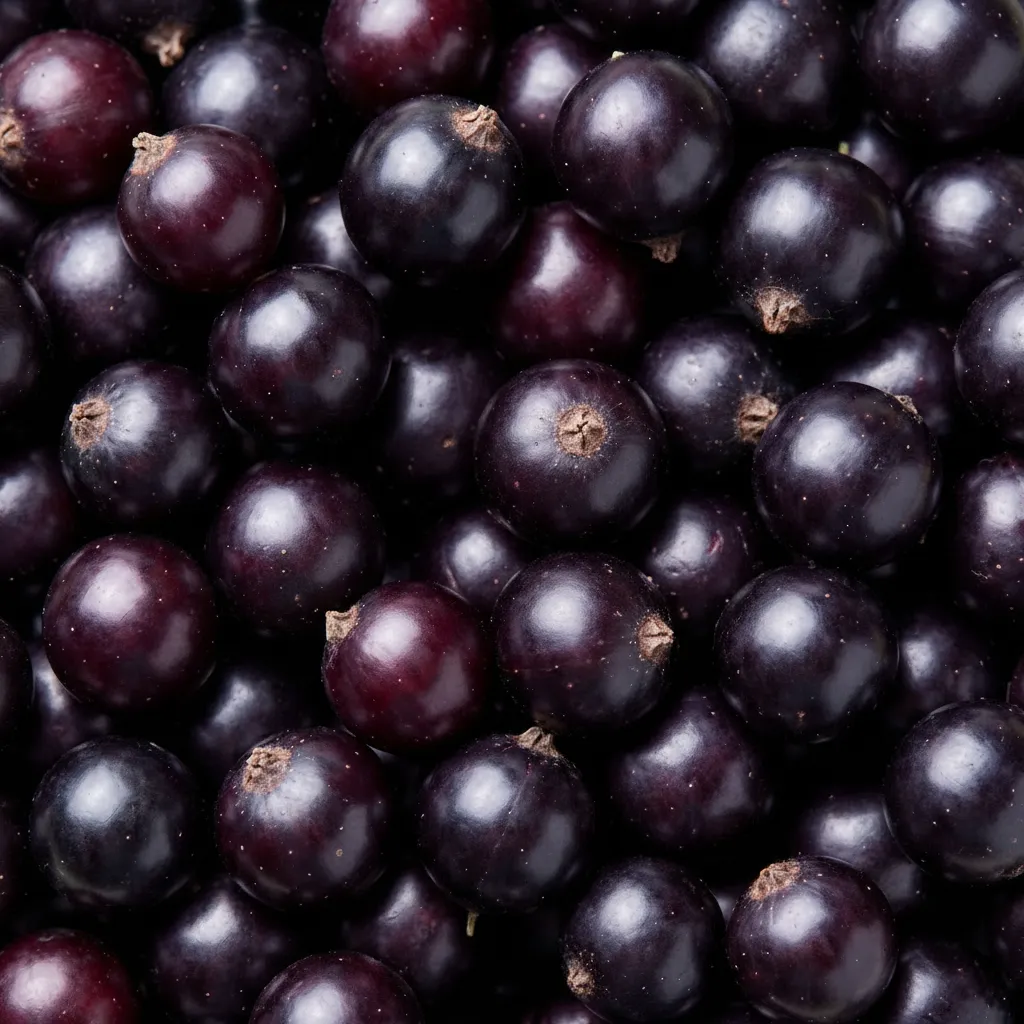
The safety of blackcurrants for dogs is uncertain. Some sources advise avoiding them because of possible kidney concerns, while others consider tiny amounts unlikely to cause toxicity. Given the uncertainty, avoiding blackcurrants is the safest approach.
Quick verdict
- For dogs: conflicting evidence; extra caution is advised.
- Key point: avoid large quantities and do not offer them to dogs with kidney disease.
Blackcurrants are not clearly safe for dogs
Blackcurrants cannot be presented as a clearly recommended food. Although some healthy dogs may tolerate one or two ripe berries without stems, the conflicting information justifies avoiding them, especially in dogs with kidney problems.
The toxicity remains debated
Some sources raise concern about possible kidney injury by comparison with grapes or certain currants, while others do not classify blackcurrants as toxic. This uncertainty supports a cautious approach.
Possible benefits are not essential
Blackcurrants contain antioxidants and vitamin C, but these nutrients do not justify taking an uncertain risk.
- Anthocyanins and other antioxidants.
- Vitamin C, which is not essential as a supplement for most dogs.
Main risks to know
Blackcurrants require a nuanced answer: they are not consistently classified as toxic, but the evidence is not reassuring enough to recommend them.
- Vomiting or diarrhea may occur after excessive consumption.
- A possible kidney risk has been raised; extra caution is needed in vulnerable dogs.
- Avoid stems and large quantities.
How much can a dog eat?
As a precaution, intentional feeding is not recommended. If you choose to offer any despite the uncertainty, limit it to one or two ripe berries without stems and only for a healthy dog.
- Small dog: avoid.
- Medium dog: at most a tiny amount if there is no kidney disease.
- Large dog: a very small amount, rarely, and with caution.
Raw berries are the only potentially acceptable form
Raw, ripe berries are the only form that could potentially be considered in a tiny amount. Blackcurrant juice, syrup, jam, liqueur, concentrated supplements, and desserts should be avoided.
Careful preparation matters
- If you offer any despite the uncertainty, choose fully ripe berries.
- Remove the stems and wash the berries.
- Offer a very small amount and monitor your dog closely.
When blackcurrants should be avoided
- Puppies.
- Dogs with kidney disease or a history of urinary problems.
- Senior, frail, diabetic, overweight, or digestively sensitive dogs.
- Dogs receiving medication or eating a veterinary diet.
My dog ate blackcurrants
If your dog ate one or two berries, monitor them closely. If your dog ate a large amount or has kidney disease, contact a veterinarian and report the amount and approximate time of ingestion.
Warning signs to watch for
Watch for vomiting, diarrhea, lethargy, reduced urination, unusual thirst, weakness, or refusal to eat. Urinary or kidney-related signs require prompt veterinary attention.
Safer alternatives
- A few plain blueberries.
- A small piece of seedless apple.
- A dog treat formulated for their needs.
How APPETTO can help
When evidence is conflicting, APPETTO helps you take a cautious approach, compare dog products, and better understand food-related risks with Pet-Score®. Download APPETTO.
FAQ
Are blackcurrants toxic to dogs?
The evidence is conflicting. As a precaution, it is best to avoid them, especially in dogs with kidney disease.
How much blackcurrant can I give my dog?
No regular amount is recommended. At most, a tiny amount for a healthy dog.
Can dogs eat raw blackcurrants?
Possibly one or two ripe berries without stems, but caution is still advised.
Can dogs drink blackcurrant juice?
No. Juice and syrup are concentrated and often sweetened.
What symptoms should I watch for after ingestion?
Watch for vomiting, diarrhea, lethargy, unusual thirst, or reduced urination.
Can puppies eat blackcurrants?
No. It is best to avoid them for puppies.
Blackcurrants remain too uncertain to recommend for dogs, particularly those with kidney or urinary problems. To compare foods and choose safer products, download APPETTO.
Credits and disclaimer
Credits: Content developed by the APPETTO team using referenced sources and its internal food classification methodology.
Disclaimer: This information is general and does not replace veterinary advice.