


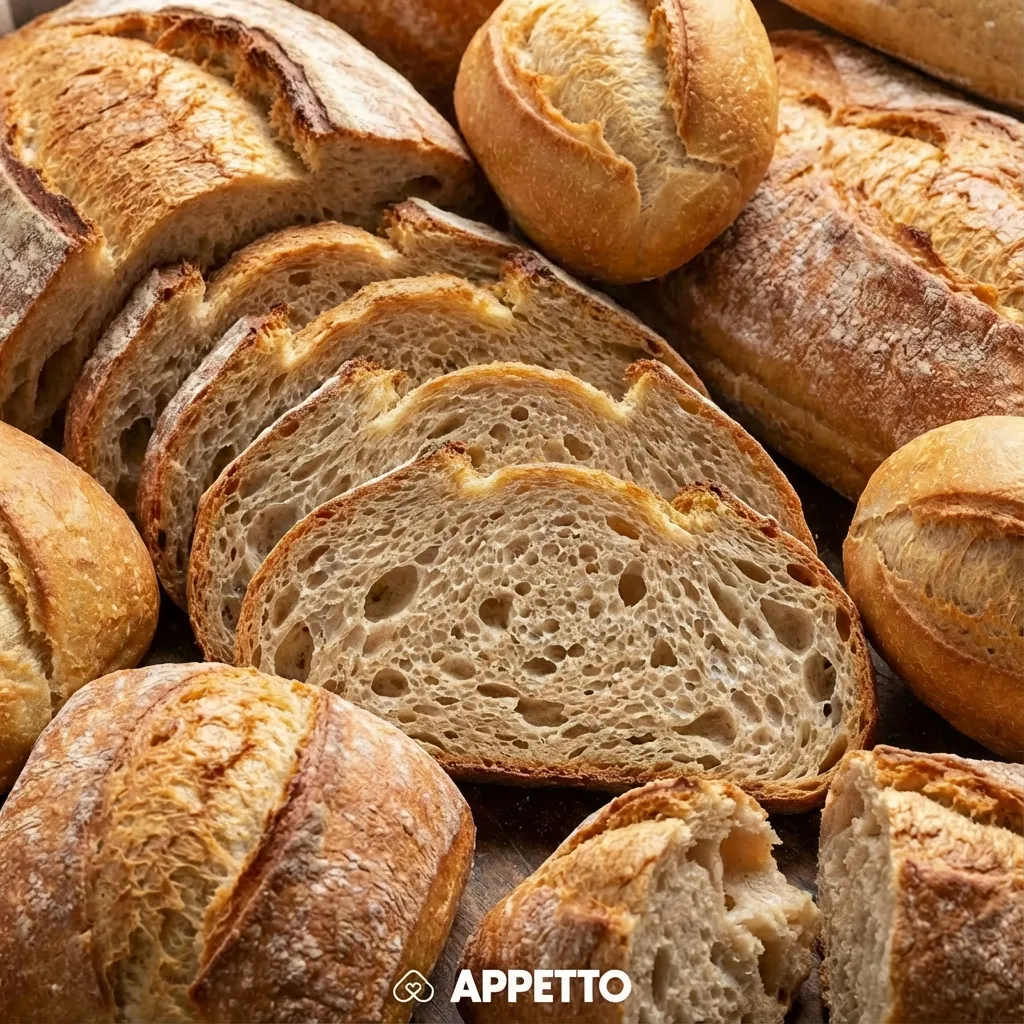
Feeding bread to a dog is a topic that elicits divided opinions. Before offering it to your pet, it is essential to understand the implications of this food for their health.
No Nutritional Benefits
The data shows no nutritional value for dogs. Scientifically, the cooked starch found in bread provides energy but lacks key nutrients, making it a source of empty calories with very low value.
Main Risks of Bread Consumption
Eating bread poses several potential risks for dogs:
- Nutritional risk: An excess of carbohydrates can lead to a caloric overload, potentially resulting in weight gain.
- Mechanical risk: A hard crust presents a choking hazard during chewing or swallowing.
- Digestive issues: Ingestion can disrupt the animal’s digestive system while offering no notable benefits.
Preparation and Recommendations
Official guidelines state that raw yeast dough should be avoided entirely. If baked bread is given, it must only be in very small quantities. Overall, data regarding its raw or cooked forms remains uncertain, suggesting it is best to avoid it as a precaution.
Symptoms to Monitor and Vulnerable Dogs
The ingestion of bread can lead to symptoms such as:
- Vomiting
- Diarrhea
Overweight dogs are particularly vulnerable, as they face an increased risk linked to the extra calories.
What to Do in Case of Symptoms
If your dog has eaten bread and develops vomiting or diarrhea, it is advised to monitor their condition closely. Contact a veterinarian if the symptoms persist, worsen, or seem concerning, as this article cannot individually assess the severity of the situation.
Discover APPETTO
To assist you in managing your pets’ diets, the APPETTO application helps you better understand their nutritional needs and provides access to useful information. You can download it here: https://www.download.appetto.co.
This article is provided for informational purposes only and does not replace the advice or diagnosis of a veterinarian. A medical consultation is necessary in case of concerning or persistent symptoms.