


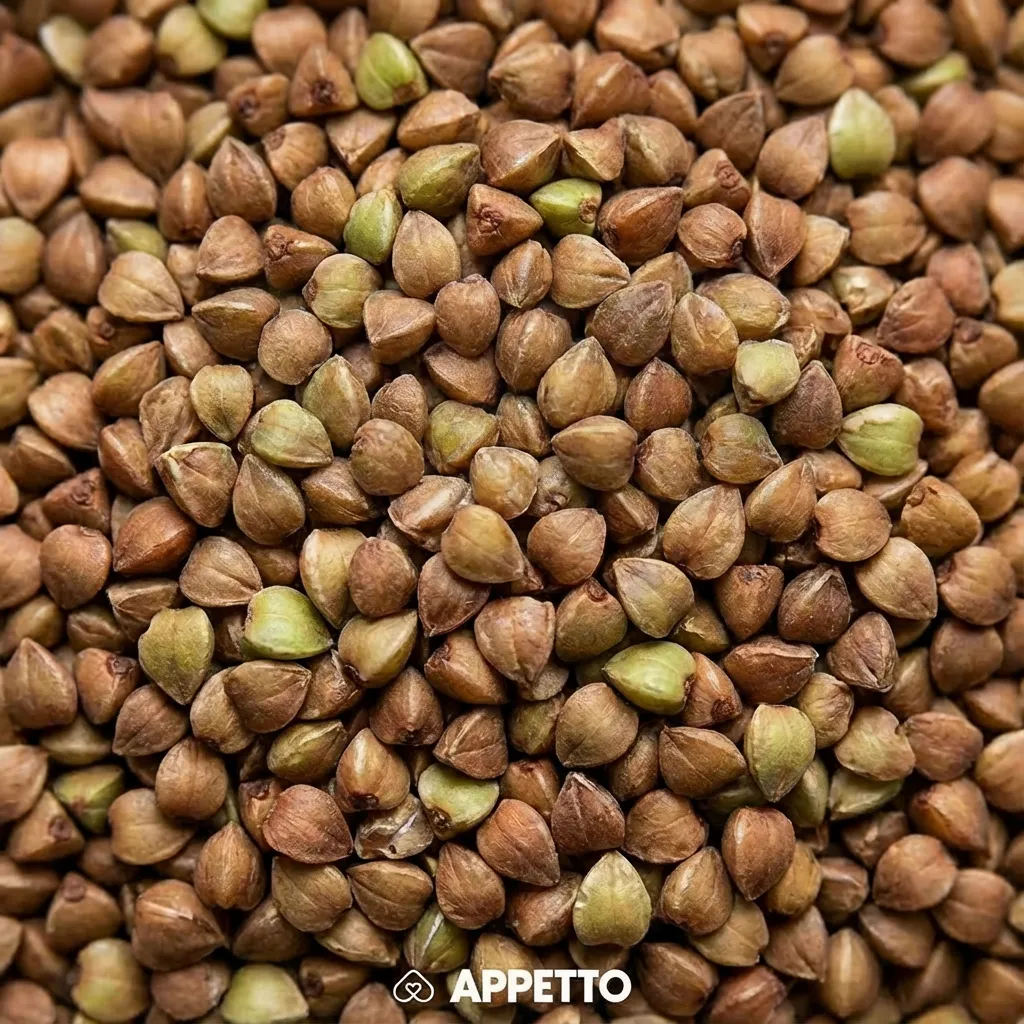
Is buckwheat suitable for a cat’s diet? Opinions are divergent regarding the introduction of this cereal to felines. While it may occasionally be found in some diets, it is important to remain vigilant.
Zero nutritional value
Cats are strict carnivores. Their metabolism is naturally oriented towards the assimilation of proteins and fats, meaning carbohydrates are of very little use to them. Consequently, buckwheat has no nutritional value for a cat.
Current recommendations highlight that cats do not need cereals and that their intake should be strongly limited. Furthermore, the label “grain-free” is often used as a marketing tool; the main goal should always be an overall balanced diet. It is also advised to remain vigilant regarding buckwheat.
Risks associated with buckwheat
Feeding buckwheat to a cat presents several potential risks:
- Digestive risk: digestive issues are mentioned if this food is given.
- Nutritional risk: linked to the calories provided by starch, which are useless for a strict carnivore.
- Possible chemical toxicity: buckwheat contains oxalic acid, which may cause kidney irritation.
Preparation and vulnerable cats
If buckwheat is given to a cat, it must be cooked. Cooking gelatinizes the starch, making the food better tolerated by the animal’s digestive system.
It is advised to avoid starchy foods entirely for diabetic cats and those with renal insufficiency, as they are particularly vulnerable to these types of ingredients.
Symptoms to watch for and what to do
If your cat consumes buckwheat and experiences an adverse reaction, the following symptoms may appear:
- Vomiting
- Diarrhea
- Loss of appetite
If you notice these signs or if they become concerning, monitor your pet and contact a veterinarian.
To better understand dog and cat nutrition and access information about various foods, you can use the APPETTO application, available for download at https://www.download.appetto.co.
This article is provided for informational purposes only and does not replace the advice or diagnosis of a veterinarian. Always consult a veterinary professional in case of concerning or persistent symptoms.