


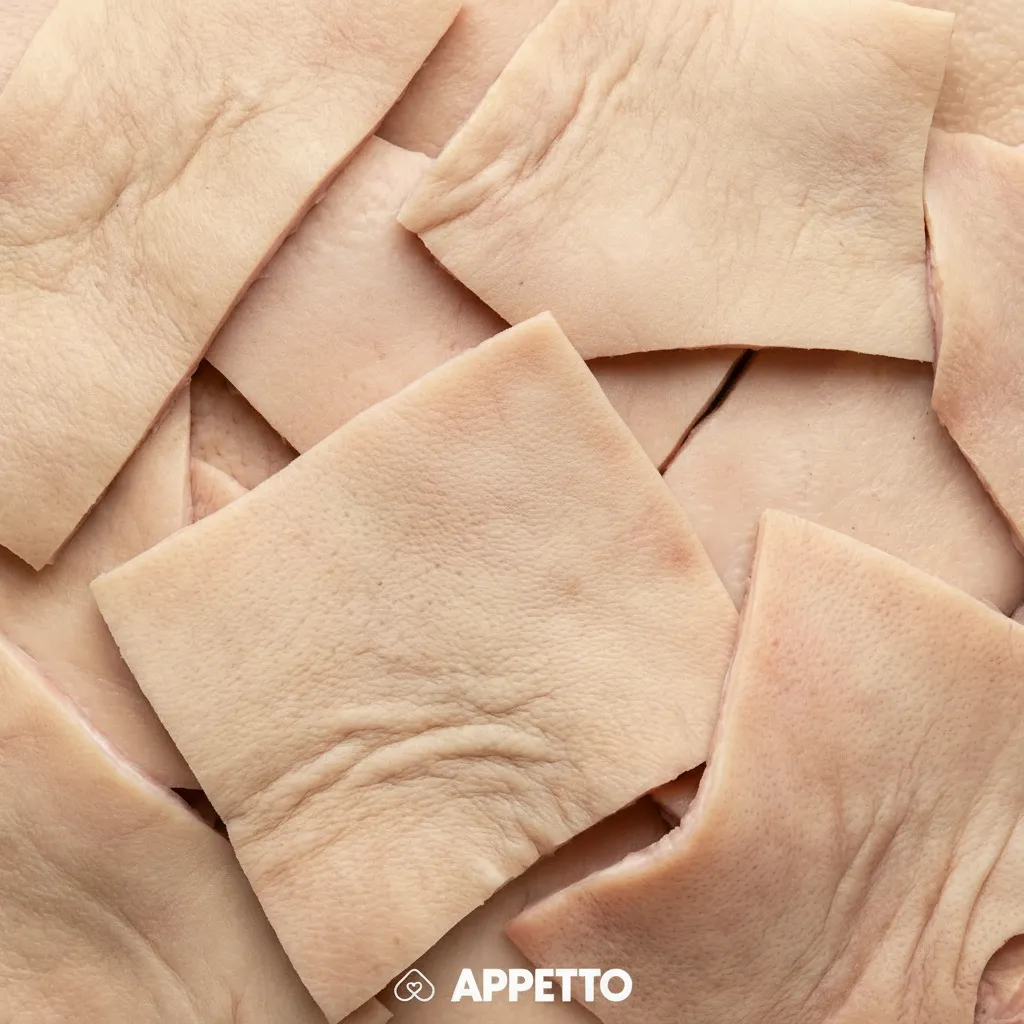
Calf skin can be given to dogs in moderation when dried, adapted to their size, and offered under supervision. It can serve as a chew treat, but large thick rolls or pieces swallowed without chewing can cause choking or bowel obstruction. Chewing, yes; vacuum mode, no.
Quick verdict
- For dogs: allowed in moderation.
- To remember: only in suitable strips, without additives, never without supervision.
Calf skin for dogs: allowed, to be limited or forbidden?
Dried calf skin can be used as an occasional chew treat. It is not essential, but it can keep some dogs occupied and contribute to a mechanical action on the teeth if chosen well.
Is calf skin dangerous or toxic for dogs?
It is not toxic in itself, but it can be dangerous depending on the size, thickness, and behavior of the dog. Shreds swallowed whole can get stuck in the esophagus or intestine.
What are the possible benefits?
The benefits mainly concern chewing.
- Occupation and behavioral enrichment.
- Gentle mechanical abrasion that can help remove soft dental plaque.
- Secondary protein intake.
What are the risks to know?
The main danger comes from the size of the piece.
- Choking if the strip is too large or swallowed quickly.
- Digestive obstruction with large shreds.
- Vomiting, diarrhea, or constipation in case of excess.
- Parts to avoid: large thick rolls, pieces that are too small at the end of a chewing session, salted or additive-laden products.
How much to give your dog?
Calf skin should remain an occasional treat. It does not replace a meal and must be taken away as soon as it becomes small enough to swallow.
- Small dog: very adapted small piece, under strict supervision.
- Medium dog: adapted strip, occasionally.
- Large dog: larger but non-swallowable piece, always supervised.
Can my dog eat raw, dried, or processed calf skin?
Dried, natural skin without additives is the most common form. Raw skin can present a microbiological risk. Smoked, salted, flavored, or overly hard products should be avoided.
How to prepare it properly?
- Choose a simple dried calf skin, without salt or unnecessary additives.
- Adapt the size to the build and chewing style of your dog.
- Supervise the entire session and remove small leftovers.
In which cases should it be avoided?
- For puppies.
- For brachycephalic dogs.
- For gluttonous dogs who swallow without chewing.
- For dogs with a history of bowel obstruction, constipation, or digestive disorders.
My dog ate calf skin: what should I do?
If the piece was suitable and well-chewed, simply monitor your pet. If your dog swallowed a large shred, coughs, vomits, or seems to be in pain, contact a veterinarian quickly.
What signs should alert you?
Choking, coughing, vomiting, diarrhea, constipation, abdominal pain, lethargy, or refusal to eat should alert you.
What are safer alternatives?
- Dental treats adapted to the dog’s size.
- Durable chew toys.
- Digestible and controlled chew strips.
How can APPETTO help you?
APPETTO helps you compare treats and chew products using the Pet-Score®, allowing you to easily identify suitable options for your dog and avoid excessively risky products. Download APPETTO.
FAQ
Is calf skin dangerous for my dog?
It can be if it is too large, too thick, or swallowed without chewing.
How much calf skin should I give my dog?
An occasional treat adapted to their size, never every day.
Can my dog eat dried calf skin?
Yes, with caution, if it is natural, adapted, and given under supervision.
Can my dog eat raw calf skin?
It is better to avoid it, as sanitary quality can be variable.
What signs should I monitor after ingestion?
Coughing, vomiting, constipation, abdominal pain, or refusal to eat.
Can a puppy eat calf skin?
It is better to avoid it, as the risk of choking and obstruction is higher.
Calf skin can be a chew treat for dogs, but only with moderation and supervision. To compare options more clearly with the Pet-Score®, APPETTO can help. Download APPETTO.
Credits and disclaimer
Credits: Content developed by the APPETTO team based on referenced sources and internal food classification methodology.
Disclaimer: This information is general and does not replace veterinary advice.