


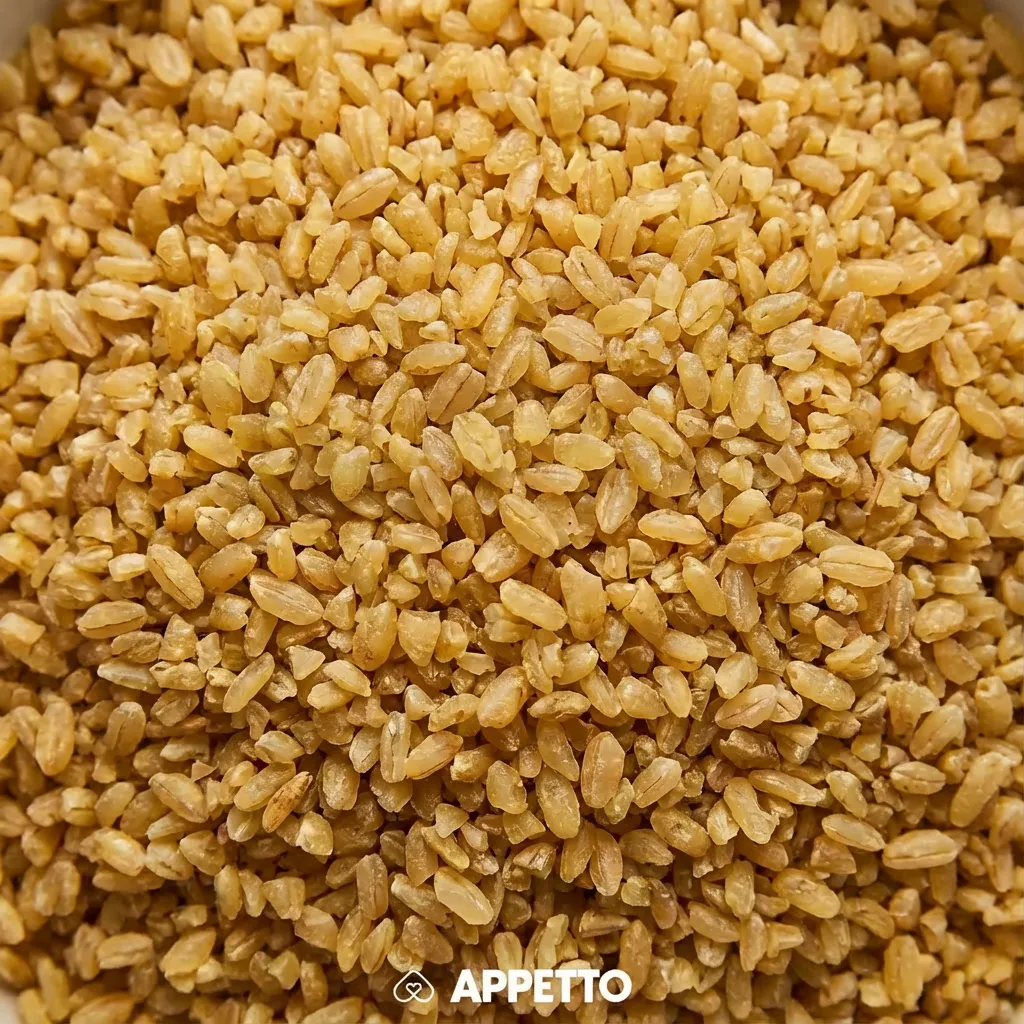
Is Bulgur Allowed for Cats?
Bulgur is allowed in moderation for cats. Since cats are strict carnivores, they have no need to consume cereals. The available data suggests that this food can be offered, but only with restraint.
Nutritional Value and Benefits
The nutritional value of bulgur for felines is essentially zero. A very small portion can provide a little fiber, which may help modulate their digestive transit. Feline metabolism has a very low ability to utilize the starch present in this type of food.
Preparation and Forbidden Parts
If offered to a cat, bulgur must be very well cooked and soaked in water. You must never give dry, unhydrated grains, as they present a mechanical risk.
Risks of Excess Consumption
Cereals can be difficult for cats to digest. Consuming too much bulgur presents specific risks:
- Digestive risk: Because cereals are hard to digest, an excess can lead to digestive issues.
- Nutritional risk: Carbohydrates are of little use to cats and can lead to a caloric overload, posing a risk of weight gain if consumed in excess.
Vulnerable Profiles
Carbohydrate intake should be avoided for diabetic and overweight cats.
Symptoms to Monitor and What to Do
In the event of excessive ingestion, the following symptoms may appear:
- Vomiting
- Diarrhea
- Bloating
If your cat shows any of these signs, monitor their condition carefully. Contact a veterinarian if the symptoms persist or appear concerning. This article cannot provide an individual assessment of the ingestion’s severity.
Frequently Asked Questions
Are cats intolerant to gluten?
No gluten intolerance has been described in cats. The “gluten-free” argument is widely considered to be just a marketing claim for feline diets.
Discover APPETTO
The APPETTO application helps users better understand the diet of cats and dogs and consult information about different foods. You can download it at https://www.download.appetto.co.
This article is provided for informational purposes only and does not replace the advice or diagnosis of a veterinarian. A veterinarian must be consulted in case of concerning or persistent symptoms.