


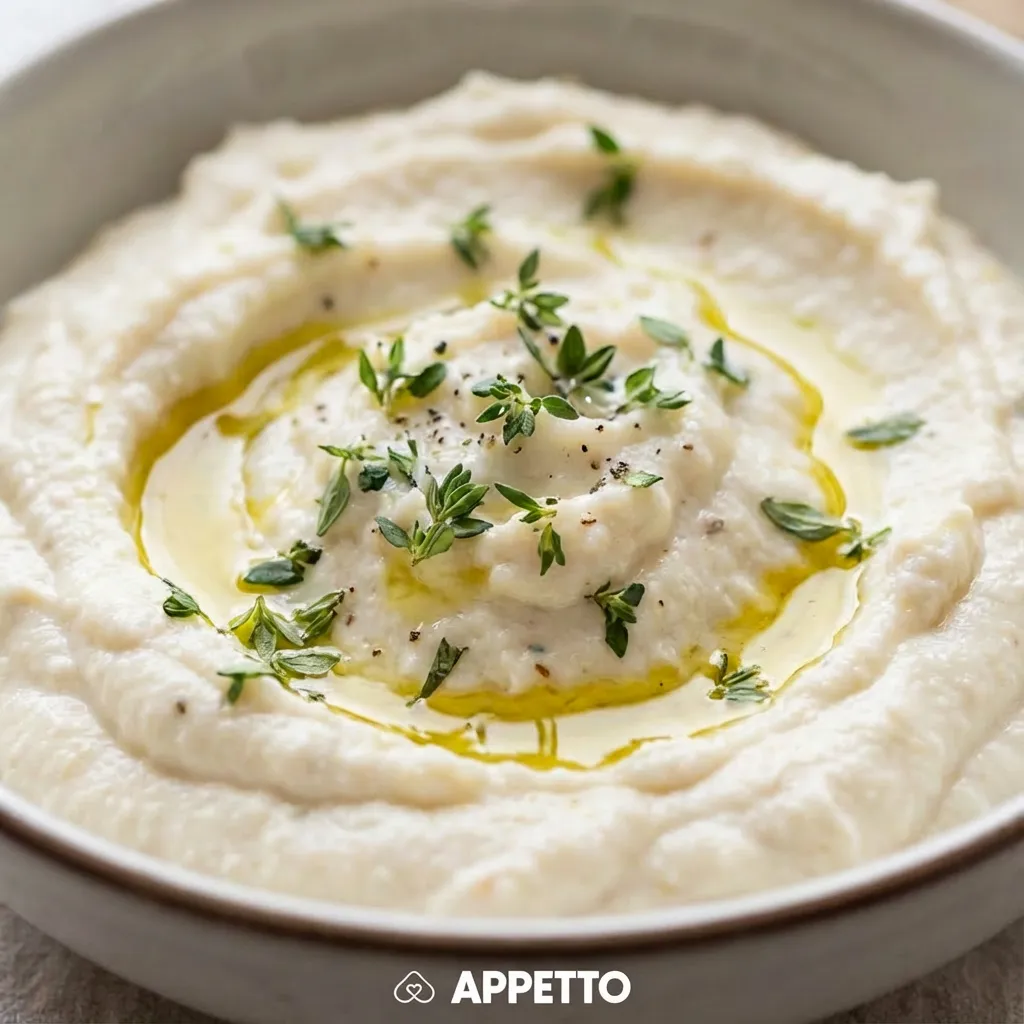
Can my cat eat fish mousse?
While most cats love the taste of the sea, human-grade fish mousse is unfortunately best avoided. Although it may seem appetizing and easy for your feline to lick up, it contains many ingredients that are not suited to their metabolism.
What are the risks of fish mousse for cats?
Seafood mousses and spreads, whether store-bought or homemade, pose several dangers to your pet’s health:
- Excess salt: These products are often very high in sodium. Long-term, excess salt can put a dangerous strain on your cat’s kidneys and lead to dehydration.
- Unsuitable fats: The cream, butter, or oil used to achieve the mousse-like texture are too rich. They can cause digestive issues (diarrhea, vomiting) and, in more severe cases, pancreatitis.
- Toxic aromatics: Many recipes include garlic, onions, or chives. These ingredients from the allium family are highly toxic to felines, as they destroy their red blood cells.
What should I do if my cat ate some?
If your cat took advantage of a moment of inattention to take a quick lick from your plate, don’t panic. Monitor them for the next 24 hours to ensure they digest it well. However, if they ingested a large amount, or if you know the preparation contained garlic or onions, contact your veterinarian promptly.
What are safe alternatives to fish mousse?
To treat your little companion safely, opt for healthy alternatives. You can easily find commercially available fish mousse specifically formulated for cats. If you prefer to cook, simply offer them a small piece of white fish or salmon, boiled or steamed, without a single drop of oil or grain of salt!