


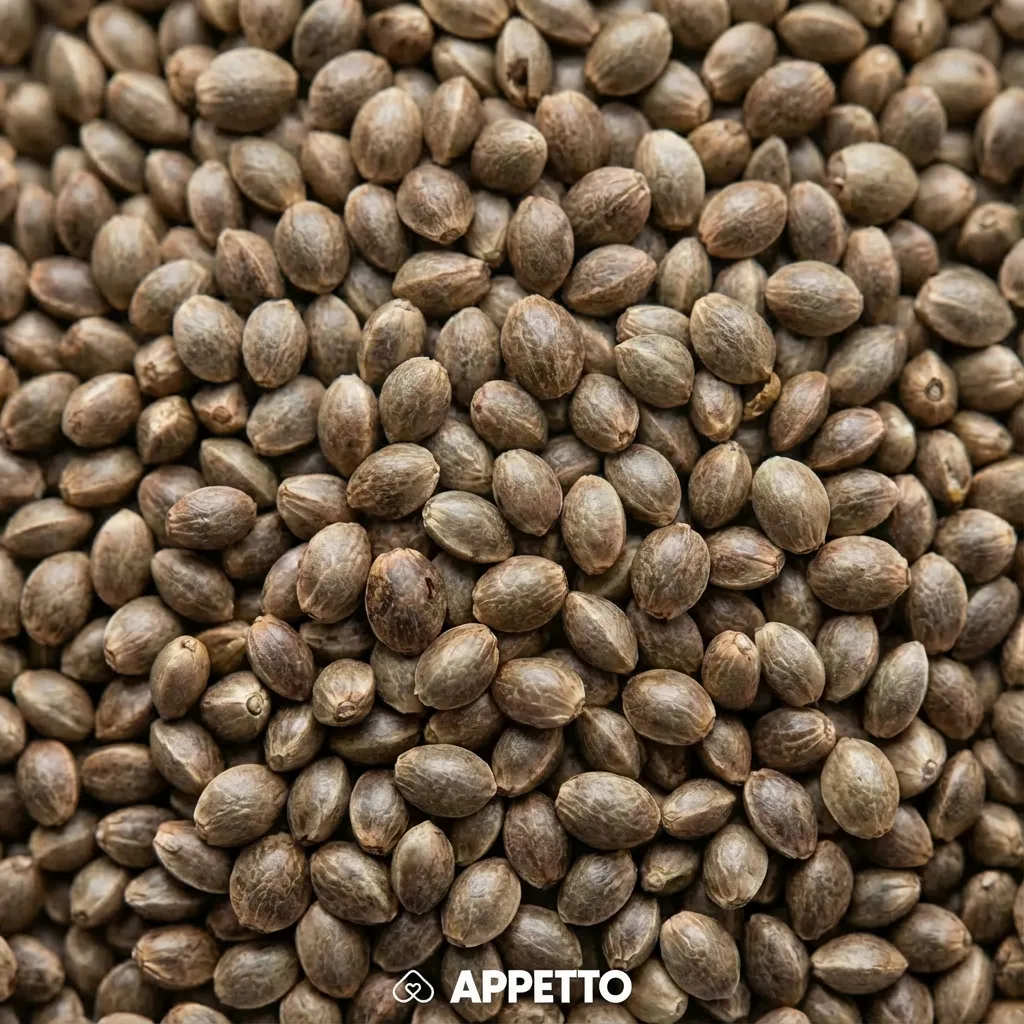
Can cats eat hemp seeds?
Yes, cats can eat hemp seeds in moderation, but their nutritional interest remains limited for felines. While they are not toxic and the THC levels in industrial hemp are negligible, they must be given cautiously.
Nutritional Value and Limitations
Hemp seeds offer low overall nutritional value for cats. They do contain omega-3 and omega-6 fatty acids in a balanced ratio, vitamin E, and antioxidants. However, because cats are strict carnivores, the conversion of plant-based alpha-linolenic acid (ALA) into functional EPA/DHA is very weak. Despite this limited omega-3 absorption, the vitamin E present does provide antioxidant protection for cellular membranes.
Potential Risks and Vulnerabilities
The primary nutritional risk associated with hemp seeds is their high caloric density, which can easily favor weight gain. Furthermore, there is a mechanical risk: whole seeds are very small and hard to digest. Overconsumption can lead to digestive issues, and in rare cases, cats may experience an allergic reaction.
Special caution should be exercised with obese cats and those prone to urinary stones, and their weight must be closely monitored.
How to Serve Hemp Seeds
To safely offer hemp seeds, they should be hulled and ground. Serving them ground makes them better tolerated by the feline digestive system, and it makes no difference whether they are served raw or cooked. Feeding large quantities of whole seeds is explicitly considered a bad practice and should be avoided. It is recommended to start with a very small amount.
Symptoms to Watch For
If your cat consumes too many hemp seeds or has an allergic reaction, they may exhibit the following symptoms:
- Vomiting
- Diarrhea
- Abdominal discomfort
If you notice any of these signs, stop feeding the seeds immediately and contact a veterinarian if the symptoms are concerning or persistent.
About APPETTO
The APPETTO application helps users better understand their cats’ and dogs’ diets by providing detailed information on various foods. To explore more, you can download APPETTO.
This article is provided for informational purposes only and does not replace the advice or diagnosis of a veterinarian. Always consult a veterinarian if you observe persistent or concerning symptoms in your pet.