


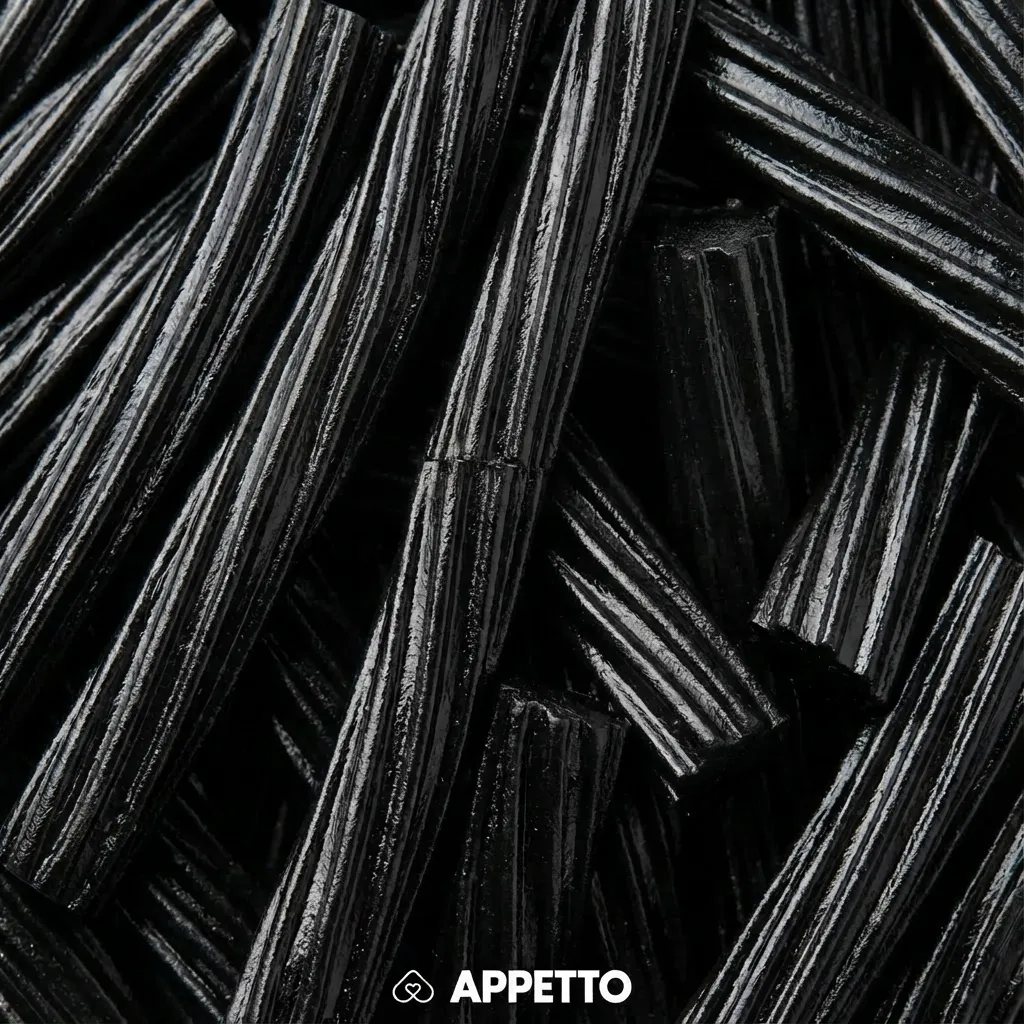
Licorice is a popular human treat, but it is to be avoided for cats. It has a null nutritional value and offers no benefits for your feline companion.
Why is licorice bad for cats?
Licorice candies are very sweet. The high sugar content presents a nutritional risk that can lead to weight gain and negatively affect the cat’s dentition.
The primary dangers, however, involve chemical toxicity. Licorice contains glycyrrhizin, which exerts a corticosteroid-like (mineralocorticoid) effect. Scientifically, it inhibits the 11β-HSD2 enzyme, resulting in sodium and water retention. This can cause hypertension and subsequent heart issues.
Furthermore, sugar-free versions of licorice often contain xylitol, which poses a major risk. Xylitol causes a rapid hypersecretion of insulin in animals, leading to acute hypoglycemia and potential liver damage.
Vulnerable animals and symptoms to watch for
Cats with heart or kidney conditions, diabetic cats, and kittens are especially vulnerable to these severe risks. As such, these sweets should be entirely prohibited from their diet.
If a cat ingests licorice, symptoms of poisoning may appear, including:
- Vomiting
- Diarrhea
- Hypoglycemia
- Tremors
- Convulsions
What to do in case of ingestion?
Given the severe risks associated with glycyrrhizin and xylitol, it is highly recommended to consult a veterinarian quickly if your cat has eaten licorice.
To help you better understand the diet of dogs and cats and consult information on different foods, you can use the APPETTO application, available at https://www.download.appetto.co.
This article is provided for informational purposes only and does not replace the advice or diagnosis of a veterinarian. A veterinarian should be consulted if concerning or persistent symptoms appear.