


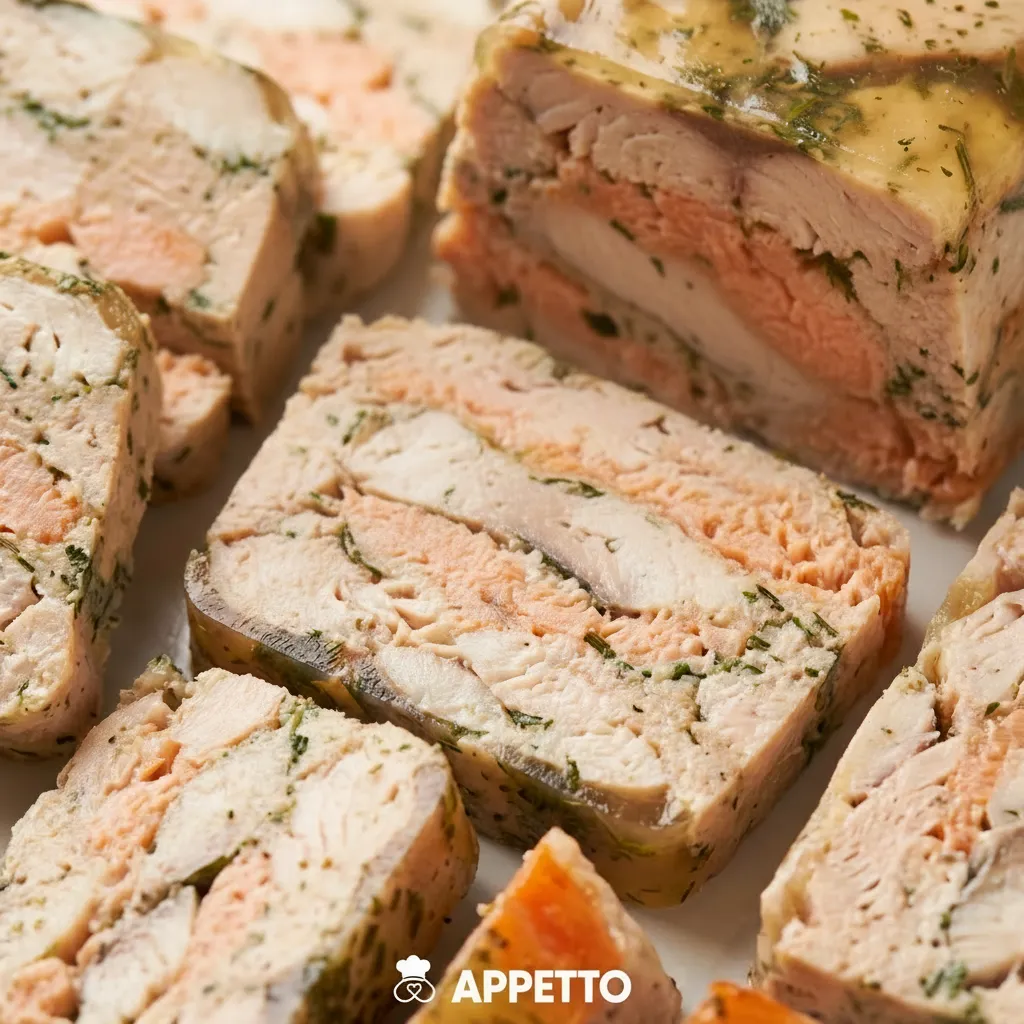
It is often tempting to share a little bite of your meal with your four-legged friend, especially when it comes to fish, a food that felines love. But what about processed fish terrine intended for human consumption? Can you give it to your cat safely? The answer is no: this type of product should be strictly avoided.
Why is processed fish terrine not recommended?
Industrial fish terrines, rillettes, and spreads for humans are very different from foods formulated for cats. They pose several dangers to your pet’s health:
- Excess salt: These products are often very high in sodium, which can cause kidney problems and dehydration in cats.
- Presence of toxic ingredients: Many terrines contain garlic, onion, shallot, or chives to enhance the flavor. These ingredients are highly toxic to felines and can destroy their red blood cells (anemia).
- Fats and preservatives: The amount of fat, cream, or oil, as well as industrial additives, can cause severe digestive upset (vomiting, diarrhea) or pancreatitis.
What to do if my cat ate some?
If your cat simply licked a crumb that fell on the floor, there is little reason to worry, but keep an eye on their behavior anyway. However, if they have ingested a significant portion, especially if the terrine contains garlic or onion, contact your vet promptly for appropriate advice.
What are healthy alternatives for your cat?
To treat your feline without putting their health at risk, opt for 100% suitable options:
- Cat wet food and terrines, specially formulated to meet their nutritional needs, with no added salt or dangerous ingredients.
- A small piece of fresh fish (cod, hake, salmon) boiled or steamed, completely deboned and with no added salt, spices, or fats.
In short, save your processed fish terrine for your own appetizers and offer your cat treats designed to protect their health!