


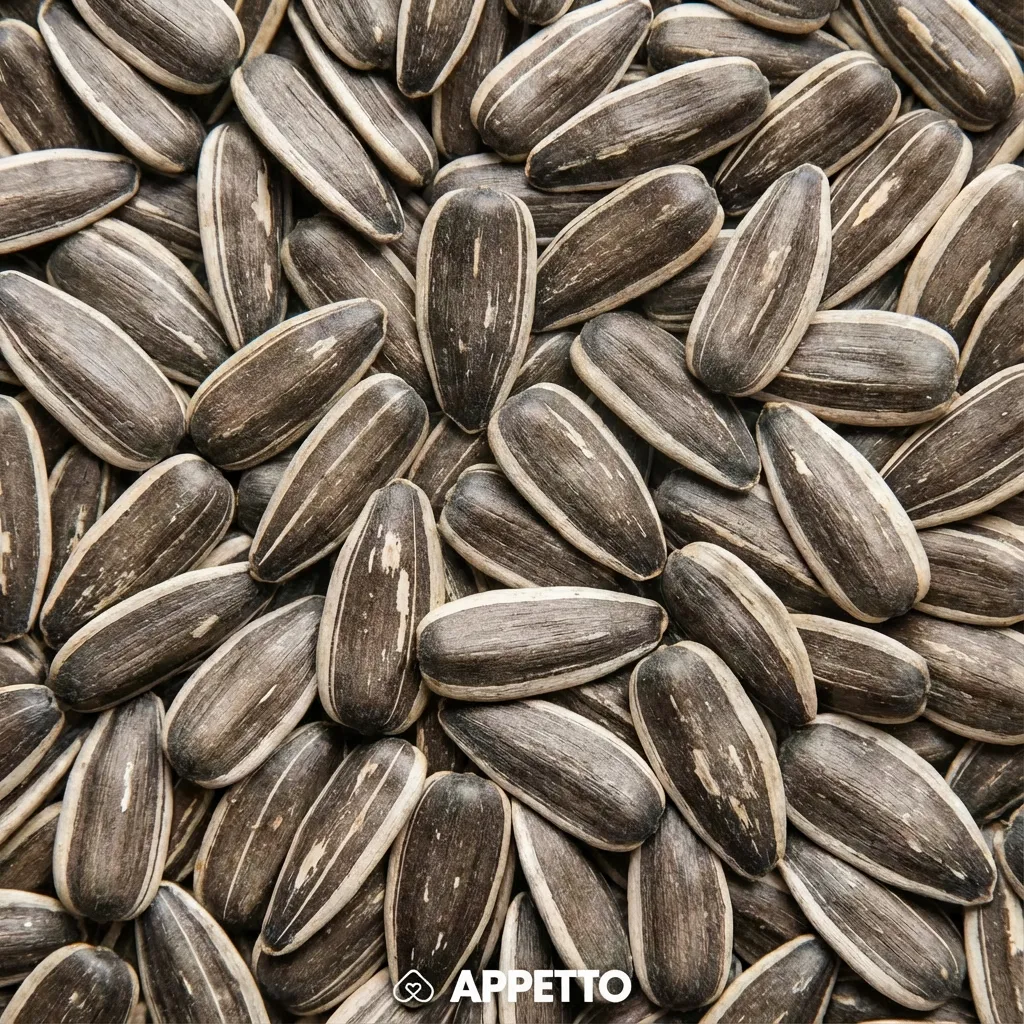
Many cat owners wonder if they can share their snacks with their feline friends. When it comes to sunflower seeds, they are allowed in moderation. As an occasional treat, they can be given in very small quantities, provided you monitor your cat’s tolerance and exercise caution.
Nutritional Value and Benefits
Sunflower seeds have a low nutritional value for cats. While they do provide an energy supply, their specific benefits remain limited. Scientifically, cats have a low interest in plant fats and naturally prefer fats from animal sources.
Preparation: Which Parts Are Safe?
If you choose to offer this treat, preparation is important. You can give the raw seeds, but they must be reduced to fine crumbs (finely crushed). The hard shell must not be offered.
Potential Risks
Feeding sunflower seeds to your cat carries certain risks:
- Nutritional risk: The fats present in the seeds can cause soft stools or diarrhea if given in excess.
- Mechanical risk: Whole seeds are difficult to chew and present a choking hazard.
- Weight gain: Sedentary cats are particularly vulnerable to rapid weight gain due to the energy provided.
Symptoms to Watch and What to Do
If your cat consumes too many sunflower seeds or ingests the shells, some symptoms may appear. You should monitor your pet for vomiting and diarrhea. If these symptoms occur, persist, or seem concerning, it is advisable to contact your veterinarian.
Discover APPETTO
The APPETTO application helps users better understand the diet of dogs and cats and consult information on various foods. You can download it here: https://www.download.appetto.co.
This article is provided for informational purposes only. It does not replace the advice or diagnosis of a veterinarian. A veterinarian should be consulted in case of concerning or persistent symptoms.