


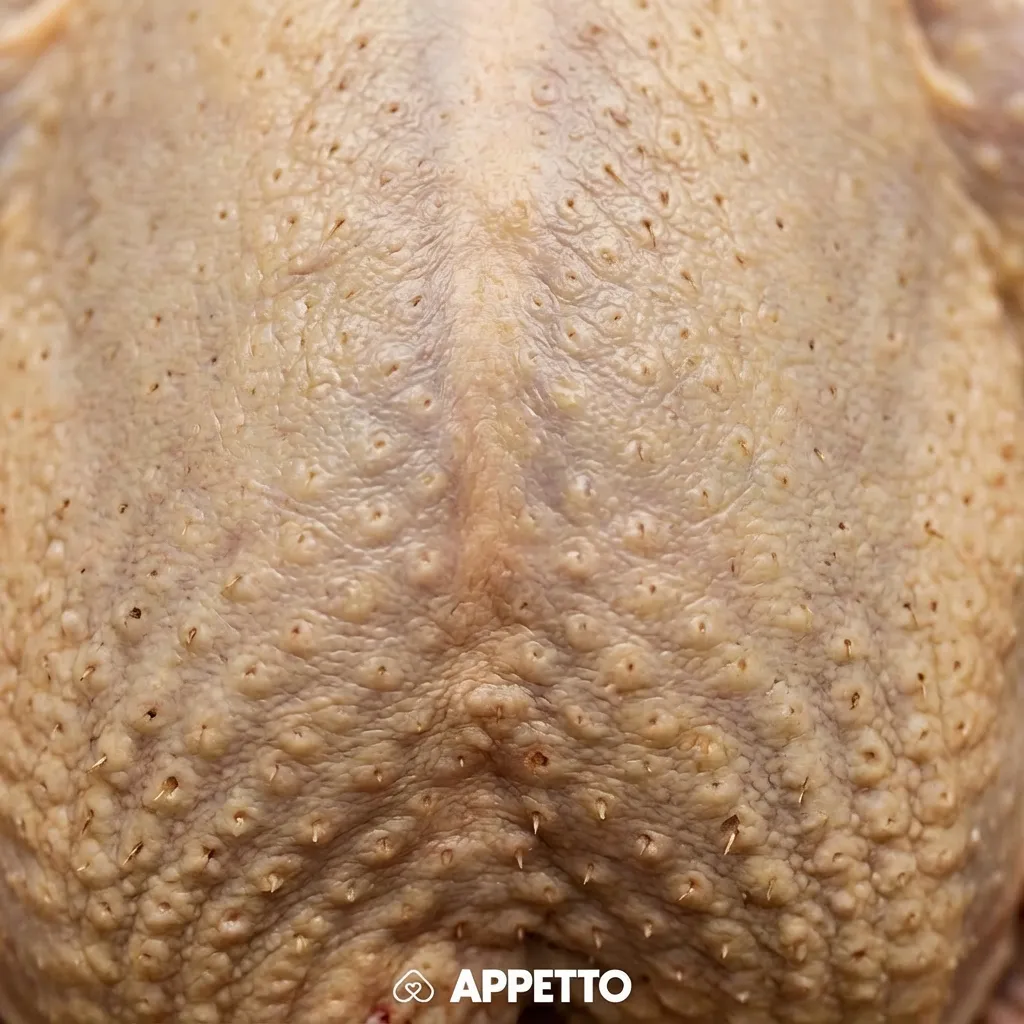
Is Turkey Skin Safe for Cats?
While cats are obligate carnivores and naturally love poultry, turkey skin is not a recommended treat for them. Although not inherently toxic in its plain form, it poses significant health risks that make it best avoided.
Risks of Feeding Turkey Skin to Cats
- Excessive Fat: Turkey skin is exceptionally high in fat. Consuming rich, fatty foods can cause severe gastrointestinal upset in cats, including vomiting and diarrhea. More importantly, it can trigger pancreatitis, a painful and potentially life-threatening inflammation of the pancreas.
- Toxic Seasonings: We rarely cook turkey without flavorings. If the skin comes from a roasted holiday bird, it is likely coated in butter, salt, garlic, and onions. Garlic and onions are highly toxic to cats and can cause severe anemia, while too much salt can lead to sodium poisoning.
- Choking Hazard: Large or rubbery pieces of skin can be difficult for a cat to chew properly, presenting a choking hazard or the risk of an intestinal blockage.
What If the Skin Is Plain and Unseasoned?
Even if you offer plain, boiled turkey skin with no added fats or spices, it remains too fatty for a cat’s delicate digestive system. It offers very little nutritional value compared to the risks it carries.
What to Do If Your Cat Ate Turkey Skin
If your cat managed to snatch a tiny piece of unseasoned skin, they will likely be fine. Keep an eye on them for a day or two for any signs of lethargy or stomach upset. However, if they ate a large amount, or if the skin contained toxic ingredients like onions or garlic, contact your veterinarian for advice immediately.
A Safer Alternative
If you want to share some turkey with your feline friend, stick to plain, unseasoned, fully cooked white meat. Lean turkey breast is an excellent source of protein and makes a safe, healthy treat when offered in moderation.