


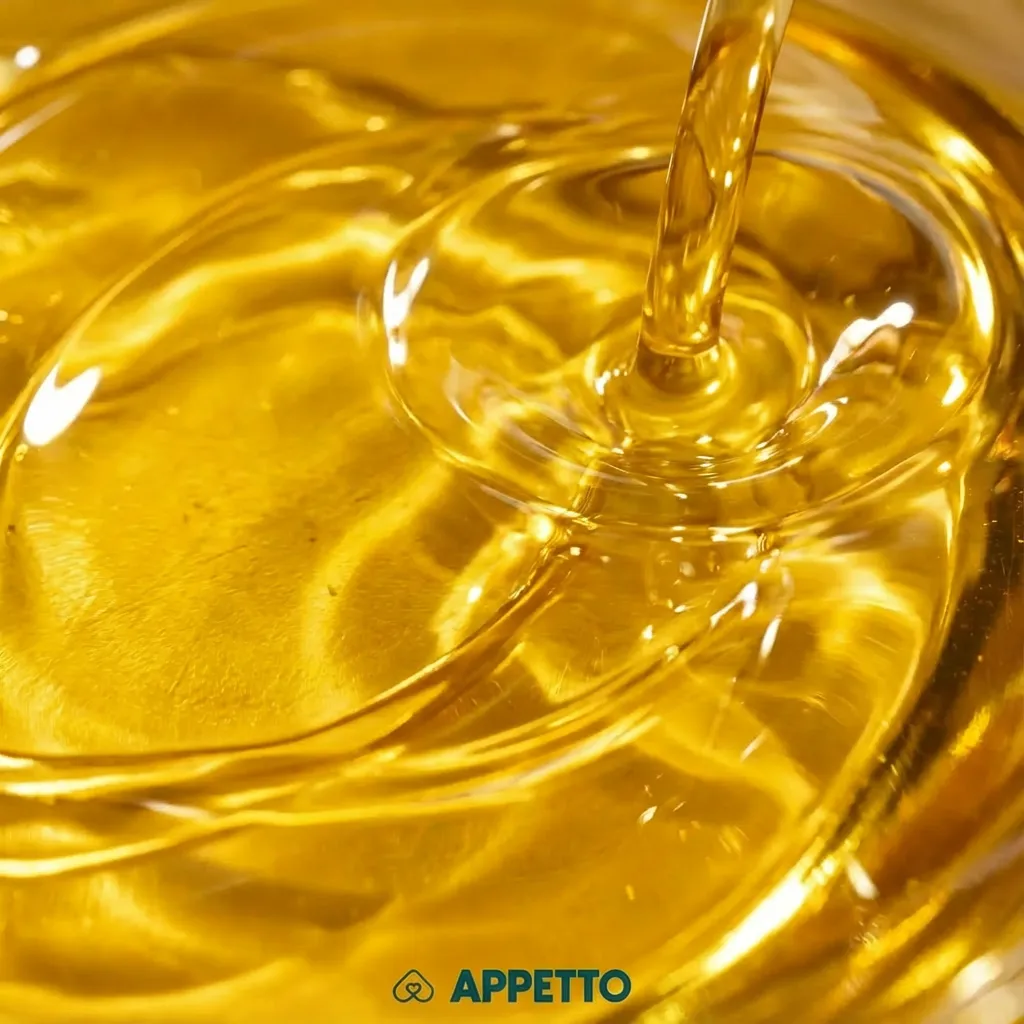
Are you wondering if rapeseed oil is safe for your cat? The answer is yes, this oil is authorized for cats and can be a beneficial addition to their diet when used correctly.
Nutritional Benefits of Rapeseed Oil
Rapeseed oil has a high nutritional value and is generally well-tolerated by cats. It provides essential fatty acids and vitamin E. Scientifically, it contains ALA, which offers moderate support for the skin and coat, although cats have a low conversion rate of ALA to EPA and DHA. Additionally, the vitamin E present in the oil acts as a natural protective antioxidant. It also offers a favorable fatty acid ratio of under 5:1, which is well adapted for cats.
How to Safely Give Rapeseed Oil
When feeding rapeseed oil to your cat, it is crucial to only use fresh oil. It must be added raw and cold; you should never heat the oil. As a guideline, you can provide 2.5 to 5 ml per day for a 4 kg cat. Always avoid giving rancid oil, which can often be identified by a “fishy” smell.
Potential Risks and Vulnerable Cats
While authorized, there are some risks associated with rapeseed oil if given improperly:
- Nutritional risk: Providing high doses can lead to an excess of calories, which may result in weight gain.
- Chemical toxicity: If the oil undergoes oxidation, it produces irritants.
- Digestive risk: Feeding altered or spoiled oil can cause digestive issues such as diarrhea.
Overdosing or consuming spoiled oil can lead to symptoms like vomiting, diarrhea, and a greasy coat. Furthermore, obese cats or cats suffering from kidney failure are particularly vulnerable, and caution should be exercised regarding their lipid intake.
What to Do in Case of Unwanted Symptoms?
If your cat consumes too much oil or rancid oil and exhibits symptoms such as vomiting or diarrhea, closely monitor their condition. If the symptoms persist or seem concerning, it is advisable to contact a veterinarian.
Learn More with APPETTO
To better understand the diet of dogs and cats, and to explore detailed information about various foods, you can use the APPETTO application. Download it here: https://www.download.appetto.co.
This article is provided for informational purposes only. It does not replace the advice or diagnosis of a veterinarian. Always consult a veterinarian if your pet shows concerning or persistent symptoms.