


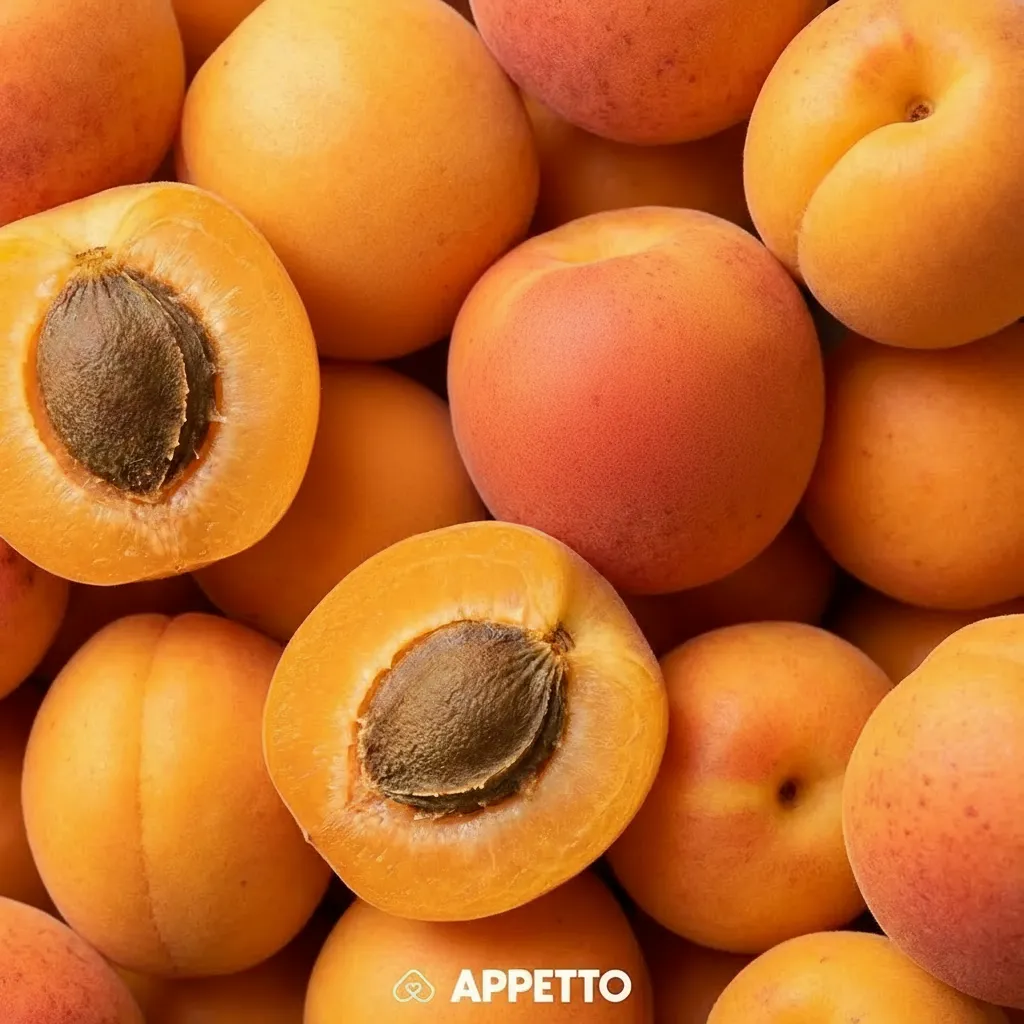
Can dogs eat apricots? Yes—dogs can have a little ripe apricot flesh as an occasional treat, as long as you remove the pit, kernel, stem, and leaves completely. The pit can cause choking or an intestinal blockage, and the kernel and other plant parts contain compounds that can release cyanide.
When apricot is safe for dogs
Offer only fresh, ripe flesh, washed and cut into small pieces. A small bite is usually well tolerated, but apricot’s natural sugar means it should stay an occasional extra—not a daily snack or a substitute for complete, balanced dog food. The flesh provides some water and fiber, along with modest amounts of potassium and carotenoids; these nutrients do not make apricot necessary for your dog’s diet.
Apricot skin can be left on if the fruit is ripe and thoroughly washed. If your dog has trouble chewing, remove it and cut the flesh into especially small pieces.
Remove the pit and other plant parts
The hard pit is a choking hazard and may cause an intestinal blockage or dental injury. Inside it, the kernel can be toxic if chewed. The leaves and stem also contain cyanogenic compounds. Remove all of these parts before serving, and discard them where your dog cannot reach them.
A small amount of flesh may still upset a sensitive stomach. Too much can cause gas, loose stools, or stomach discomfort, so start with a tiny piece and watch your dog’s digestion over the next 24 hours.
How much apricot can a dog eat?
There is no serving size that suits every dog. As a cautious occasional portion, the source guidance suggests:
- Small dogs: 1 to 2 tiny pieces of flesh.
- Medium dogs: 2 to 3 small pieces.
- Large dogs: up to half an apricot, occasionally, if well tolerated.
Keep the portion especially small for toy breeds and dogs with sensitive digestion. If your dog is on a prescribed diet, ask your veterinarian before adding fruit.
How to prepare apricot for your dog
- Choose a fresh, ripe apricot and wash it thoroughly.
- Remove the pit, stem, and leaves, along with any damaged areas.
- Cut the flesh into pieces your dog can chew easily.
- Serve it plain, without sugar, syrup, dairy, or seasoning.
Skip dried apricots, jam, pie, syrup, sweetened purée, and other apricot desserts. Dried fruit is more concentrated in sugar, while processed products may contain added sugar or other unsuitable ingredients.
When to skip apricot
Check with your veterinarian before offering apricot to a dog with diabetes, excess weight, pancreatitis, kidney disease, chronic digestive sensitivity, or a prescribed veterinary diet. It may also be a poor fit for puppies, senior dogs, toy breeds, dogs that swallow food whole, or any dog that has reacted badly to sweet fruit.
What if your dog ate an apricot pit?
If your dog ate a little ripe flesh, monitoring is usually enough. If they chewed or swallowed the pit, kernel, leaves, or stem—or ate a large amount of fruit—contact a veterinarian promptly. Share your dog’s weight and your best estimate of what and how much they ate. For plant-part toxicity information, see the ASPCA’s apricot plant guidance.
Watch for repeated vomiting, diarrhea, excessive drooling, abdominal discomfort, unusual tiredness, weakness, breathing problems, or behavior that seems out of character. Contact a veterinarian if you notice concerning signs.
Could another fruit be a better treat?
Small amounts of seedless apple, seedless watermelon, or a few blueberries can be alternatives for some dogs. Introduce any new food in a small amount, and keep treats from displacing a balanced diet.
Frequently asked questions
Can dogs eat apricots every day?
No. Even properly prepared apricot is best kept as an occasional treat because of its natural sugar content.
Can dogs eat dried apricots?
It is best to avoid them. Dried apricots are more concentrated in sugar and may upset your dog’s digestion.
Are apricots good for dogs?
A small amount can provide some moisture and fiber, but apricots are not essential to a dog’s diet.
What should I do if my dog ate an apricot pit?
Contact a veterinarian promptly, especially if your dog chewed the pit, is small, or develops digestive, neurological, or breathing symptoms.
Check foods before sharing
APPETTO helps you check which foods may suit your dog, identify unsafe parts, and compare kibble, wet food, treats, and everyday foods with Pet-Score®. Download APPETTO.
Credits: Content prepared by the APPETTO team using referenced sources and its internal food classification methodology.
Disclaimer: This information is general and does not replace veterinary advice.