


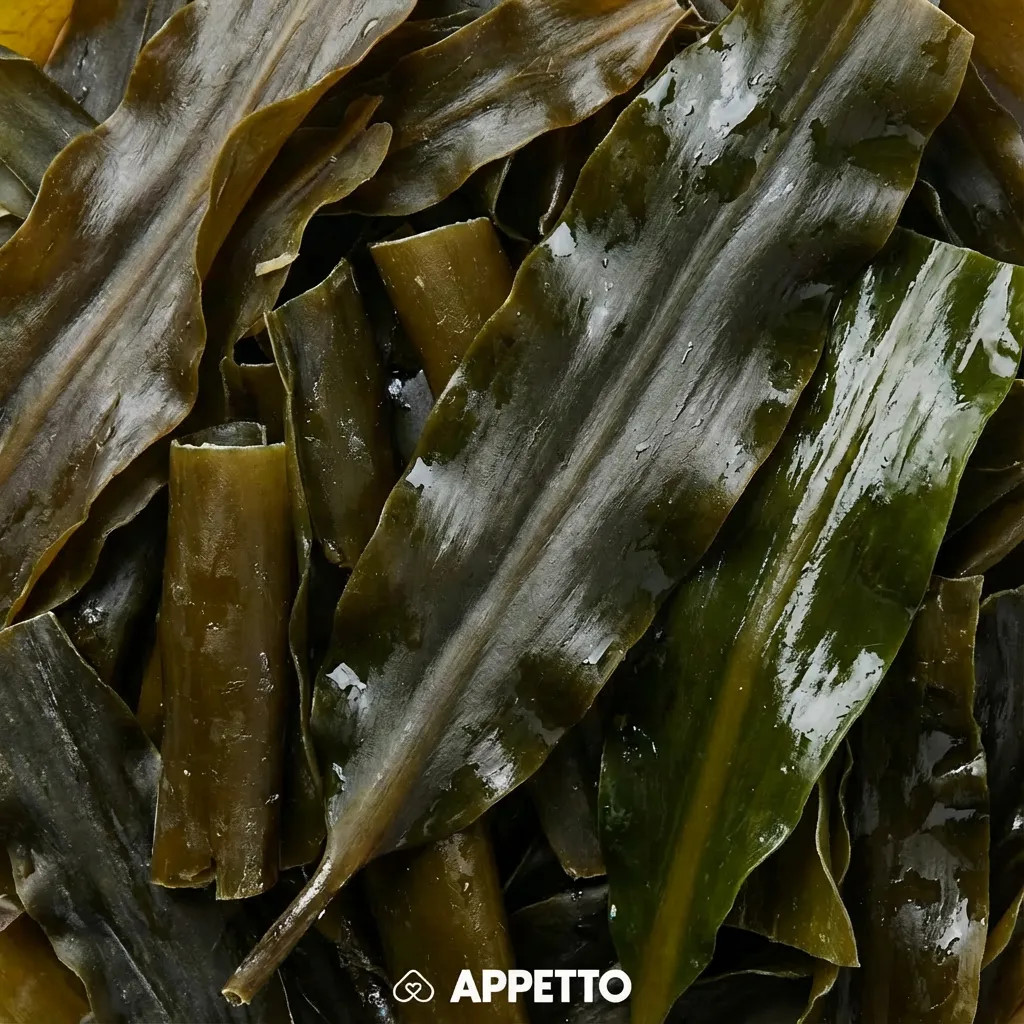
While seaweed is often praised for its nutritional properties in human diets, konbu (or kombu) is not a suitable option for our canine companions. Because of its exceptionally high iodine content, this specific type of kelp can pose significant health risks to dogs, particularly concerning their thyroid function. Therefore, it is strongly recommended to keep konbu out of your dog’s bowl.
Can dogs eat konbu? The quick verdict
- For dogs: Avoid completely.
- Key takeaway: No dry strips, powders, or broths containing konbu should be given to your dog due to the risk of thyroid disruption and digestive irritation.
Why is konbu potentially dangerous for dogs?
Although seaweed is natural, konbu stands out for being incredibly concentrated in iodine. While iodine is an essential trace mineral, an excess of it can severely disrupt the production of thyroid hormones in dogs. Over time or in large doses, this can lead to serious imbalances, especially in dogs that already suffer from thyroid disorders. Furthermore, depending on how the konbu is sourced, it may contain high levels of natural salt, which is also detrimental to your dog’s health.
Are there any health benefits for dogs?
While konbu theoretically provides a valuable mineral intake, the benefits absolutely do not justify the risks. The iodine content in konbu is highly variable and virtually impossible to control in a home setting, making it an unsafe addition to your pet’s diet.
The main risks to be aware of
- Excessive iodine: Can cause significant thyroid disruption, leading to symptoms of hypothyroidism or hyperthyroidism.
- Variable sodium levels: Natural sea salt found on the kelp can present a risk if consumed in large amounts.
- Choking and irritation: Dry strips of konbu are tough and can cause throat irritation, choking, or digestive discomfort as they expand in the stomach.
How much konbu is safe for a dog?
There is no safe or recommended amount of konbu for dogs. Whether you have a small, medium, or large dog, this particular seaweed should simply be avoided altogether.
Dry, rehydrated, or in a broth: are there safe forms?
None of the common culinary forms of konbu are safe for dogs. You should avoid offering dry strips, rehydrated pieces, or konbu powder. Additionally, konbu is frequently used to make dashi (a Japanese broth). Such broths should never be shared with your dog, as they not only contain concentrated iodine but often include extra salt, seasonings, or other ingredients that are unsuitable for dogs.
How to avoid accidental ingestion
- Do not use kombu seaweed as a homemade dietary supplement.
- Avoid sharing broths, soups, or human dishes containing konbu with your dog.
- Always ask for veterinary advice before introducing any seaweed or iodine-rich supplement into your dog’s routine.
When is konbu strictly contraindicated?
While konbu should be avoided for all dogs, it represents an even greater danger for certain profiles:
- Dogs diagnosed with hypothyroidism or hyperthyroidism.
- Senior dogs with a more fragile endocrine system.
- Dogs currently taking medication for a thyroid condition.
- Dogs on a strict, vet-prescribed diet.
My dog accidentally ate konbu: what should I do?
If your dog managed to snatch a very small piece of konbu, monitor them closely for any signs of digestive discomfort or irritation. However, if they have consumed a large amount, if they ate it repeatedly, or if your dog already has a known thyroid disease, contact your veterinarian immediately for guidance.
What warning signs should alert you?
After an accidental ingestion, keep an eye out for the following symptoms:
Vomiting, diarrhea, unusual lethargy, sudden agitation, or a noticeable loss of appetite. You should also watch for any abnormal signs related to a thyroid disorder.
What are safer alternatives to konbu?
If you want to add healthy, dog-friendly vegetables to your pet’s diet, skip the seaweed and opt for safe classics:
- Cooked, plain zucchini.
- Cooked green beans.
- A high-quality, complete dog food that provides perfectly balanced trace minerals without the need for improvised iodine supplements.
How APPETTO can help you make the right choices
APPETTO helps you identify foods to avoid due to an excess of sensitive nutrients. By comparing dog food products using the Pet-Score®, you can make informed choices with complete clarity. Download APPETTO.
Frequently Asked Questions (FAQ)
Is konbu toxic to dogs?
It is mainly considered unsafe and should be avoided because its excessively high iodine content can trigger severe thyroid imbalances.
How much konbu can I give my dog?
No amount is recommended. Even small quantities can provide an unpredictable amount of iodine, so it should be entirely avoided.
Can my dog chew on dry konbu strips?
No, dry strips are very tough, can irritate the throat or digestive tract, and remain far too rich in iodine.
Can my dog drink konbu broth?
No, the broth extracts the concentrated iodine and often contains residual salt. It is highly recommended to avoid giving any type of konbu broth to your dog.
Can a dog with a thyroid problem eat konbu?
Absolutely not. Dogs with existing thyroid issues are extremely vulnerable to iodine fluctuations. Always seek veterinary advice before modifying their diet.
Credits and warning
Credits: Content developed by the APPETTO team based on referenced sources and internal food classification methodology.
Warning: This information is general in nature and does not replace professional veterinary advice.