


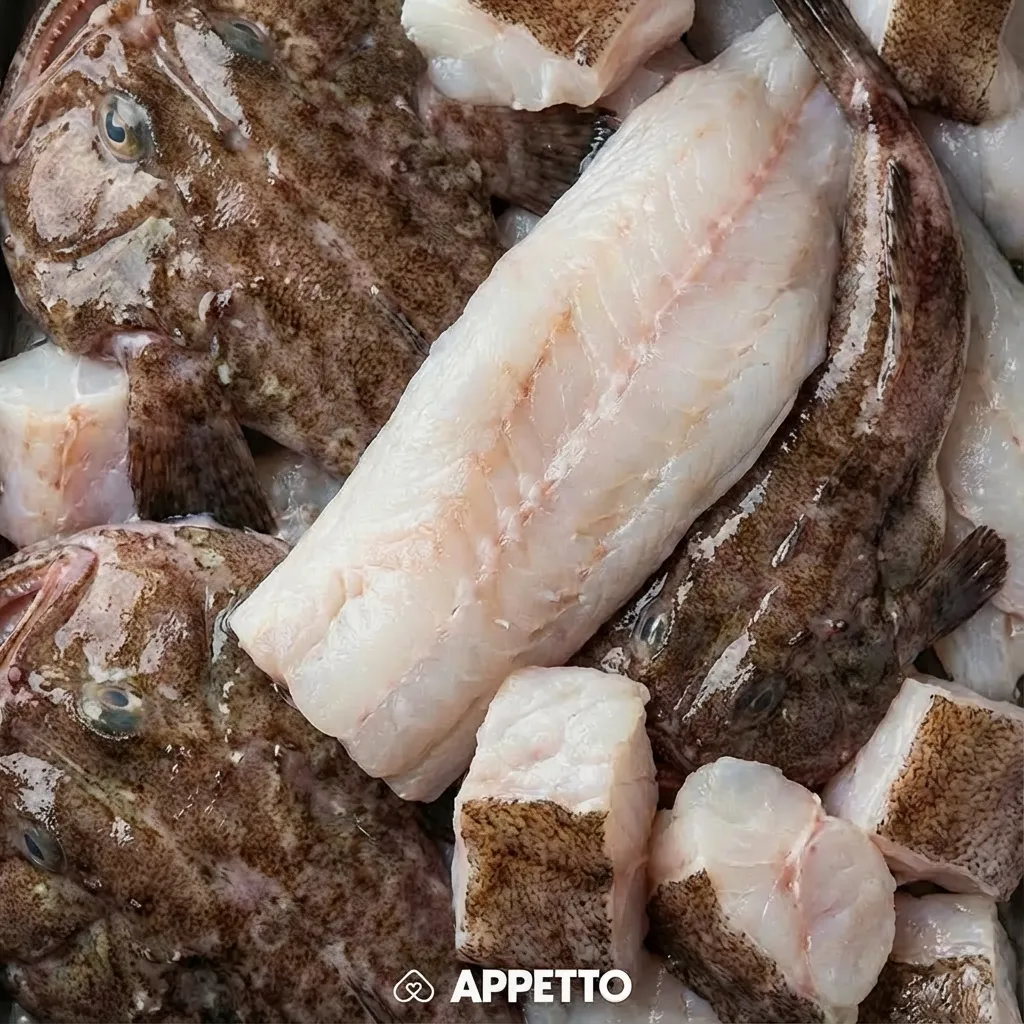
Can my dog eat monkfish?
Yes, your dog can absolutely eat monkfish. This white-fleshed fish is not only tasty, but it is also an excellent source of lean protein for our four-legged friends. Low in fat and rich in essential nutrients, monkfish can be a wonderful addition to your dog’s diet, provided it is prepared correctly.
Health benefits of monkfish for dogs
Occasionally adding monkfish to your dog’s menu offers several nutritional benefits:
- High-quality protein: Essential for maintaining muscle mass and cellular renewal.
- Low in fat: Ideal for dogs that need to watch their weight or are prone to pancreatitis.
- Rich in vitamins and minerals: It provides B vitamins, phosphorus, and selenium, contributing to a healthy metabolism and immune system.
- Omega-3 fatty acids: Although it contains less than fatty fish like salmon, monkfish helps maintain healthy skin and a shiny coat.
How to prepare and serve monkfish to your dog
For your dog to safely enjoy this fish, a few preparation precautions are necessary:
- Cooking is essential: Never give raw monkfish to your dog to avoid any risk of parasitic or bacterial infection. Opt for boiling, steaming, or baking.
- No seasoning: Do not add salt, pepper, butter, oil, spices, garlic, or onion, as these ingredients are harmful or even toxic to dogs.
- Watch out for bones: Monkfish is known for not having small bones, but rather a thick central bone (cartilage). Make sure to only give the pure flesh.
- In small pieces: Cut the fish into pieces appropriate for your pet’s size to prevent choking hazards and aid digestion.
How much monkfish should you give your dog?
Monkfish should be considered a treat or a supplement to a complete and balanced diet. It should not exceed 10% of your dog’s daily caloric intake. If this is the first time you are offering it to them, give a very small amount to observe their reaction and ensure they don’t have any food allergies or digestive intolerance.