


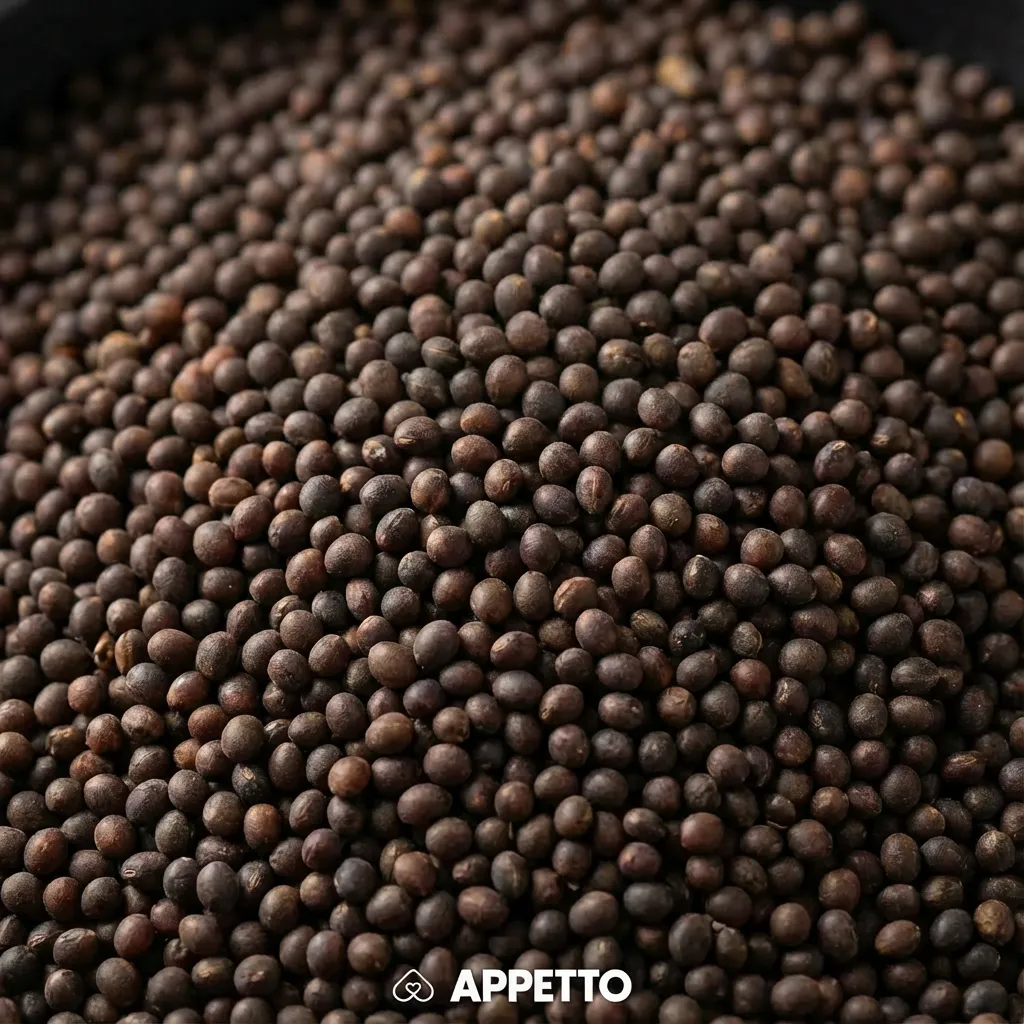
If you are wondering whether you can include rapeseed in your dog’s diet, the answer is yes. Rapeseeds are allowed for dogs, although they are generally preferred in specific forms, such as oil, rather than whole seeds.
Nutritional Value and Benefits
Rapeseed has a high nutritional value for dogs. It is an excellent source of essential fatty acids, specifically omega-6 and omega-3. These nutrients offer multiple benefits, including support for the cardiovascular system and the maintenance of a healthy skin and coat.
From a scientific standpoint, rapeseed contains alpha-linolenic acid, which is a precursor to omega-3 and provides an anti-inflammatory effect. Additionally, it offers a favorable lipid balance with an omega-6 to omega-3 ratio of approximately 2.5:1.
How to Give Rapeseed to Your Dog
When offering rapeseed to your dog, it is best to use the extracted oil or finely ground seeds. Nutritional recommendations suggest using rapeseed oil in homemade diets at a daily rate of about 1 ml per kg of the dog’s body weight. It is also advised to avoid cooking the oil to preserve its benefits.
On the other hand, whole seeds should be avoided in large quantities as they are poorly digestible, and rancid oil must never be given.
Potential Risks and Vulnerabilities
While rapeseed is safe, it presents a few risks if not given properly. The primary risk is nutritional, as its high calorie content can lead to weight gain in the event of an overdose. Overweight dogs, as well as those suffering from pancreatitis, are particularly vulnerable and their lipid intake should be strictly limited.
There is also a mechanical risk associated with whole seeds, which can cause digestive discomfort due to their poor digestibility. Lastly, while chemical toxicity from erucic acid is possible, it is only problematic at very high doses. The erucic acid levels found in the diet are very low and remain well below the thresholds that would cause adverse effects.
Symptoms to Watch and What to Do
Although the plant is not highly toxic, rare digestive issues can occur. In cases of overconsumption, symptoms of poisoning or intolerance may appear, including:
- Vomiting
- Diarrhea
- Abdominal discomfort
If your dog ingests a large amount of whole seeds or exhibits these symptoms, keep a close eye on their condition. If the symptoms persist, worsen, or seem concerning, it is recommended to contact a veterinarian for advice.
Frequently Asked Questions
Can my dog eat whole rapeseeds?
It is not recommended to give whole seeds in large quantities, as they are poorly digestible and can cause digestive discomfort. Extracted oil or finely ground seeds are preferred.
Can I cook the rapeseed oil for my dog?
It is recommended to avoid cooking the oil when adding it to your dog’s homemade meals.
Discover APPETTO
To learn more about your companion’s diet, you can download APPETTO. This application helps users better understand the nutrition of dogs and cats and consult information on various foods. Visit https://www.download.appetto.co.
This article is provided for informational purposes only. It does not replace the advice or diagnosis of a veterinarian. A veterinarian should be consulted in the event of concerning or persistent symptoms.