


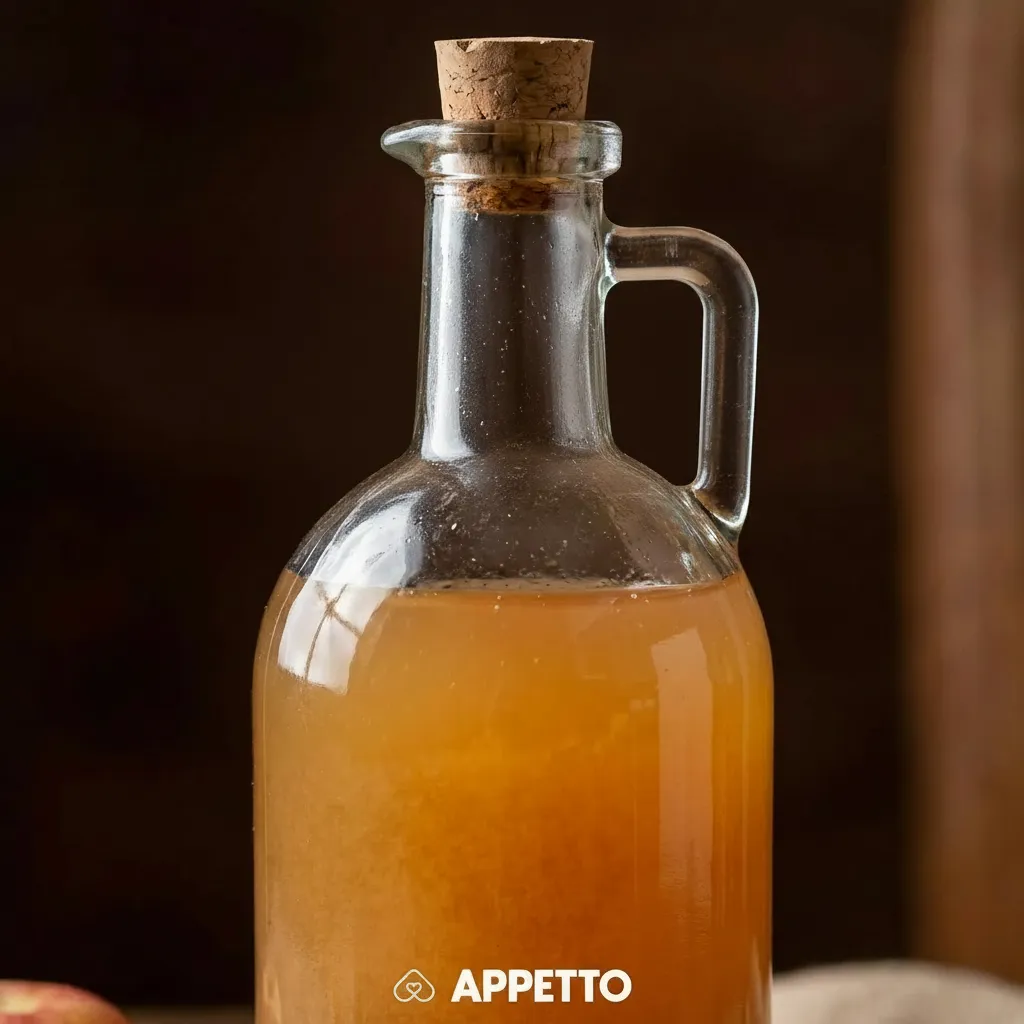
Can cats consume apple cider vinegar?
Feeding apple cider vinegar to a cat is to be avoided. It is not recommended for feline consumption due to its acidity and potential adverse effects.
Nutritional value and benefits
Apple cider vinegar offers zero nutritional value for cats, and the data does not highlight any proven health benefits from its ingestion.
Main risks and scientific explanations
The primary risk associated with apple cider vinegar is its acetic acid content. This chemical toxicity can irritate the gastric and oral mucosa. Additionally, its high acidity presents a nutritional risk by disrupting the cat’s normal feeding habits due to a highly unpleasant taste. Repeated contact with the acidic liquid can also promote the erosion of dental enamel. While diluted and dried vinegar is considered safe on a cat’s fur or for environmental cleaning purposes, oral administration should always be avoided.
Vulnerable animals
Cats with gastrointestinal sensitivities are particularly vulnerable to the irritating effects of apple cider vinegar.
Symptoms to watch for
If a cat ingests apple cider vinegar, the following symptoms may appear:
- Vomiting
- Diarrhea
- Excessive salivation
What to do in case of ingestion
If your cat has consumed apple cider vinegar, monitor them closely for the symptoms listed above. If any of these signs appear, persist, worsen, or seem concerning, contact a veterinarian for appropriate advice.
Learn more with APPETTO
If you want to easily check which foods are safe or unsafe for your pets, consider using APPETTO. This application helps users better understand dog and cat nutrition and access detailed food information.
※ This article is provided for informational purposes only and does not replace the advice or diagnosis of a veterinarian. A veterinarian should always be consulted in the event of concerning or persistent symptoms.