


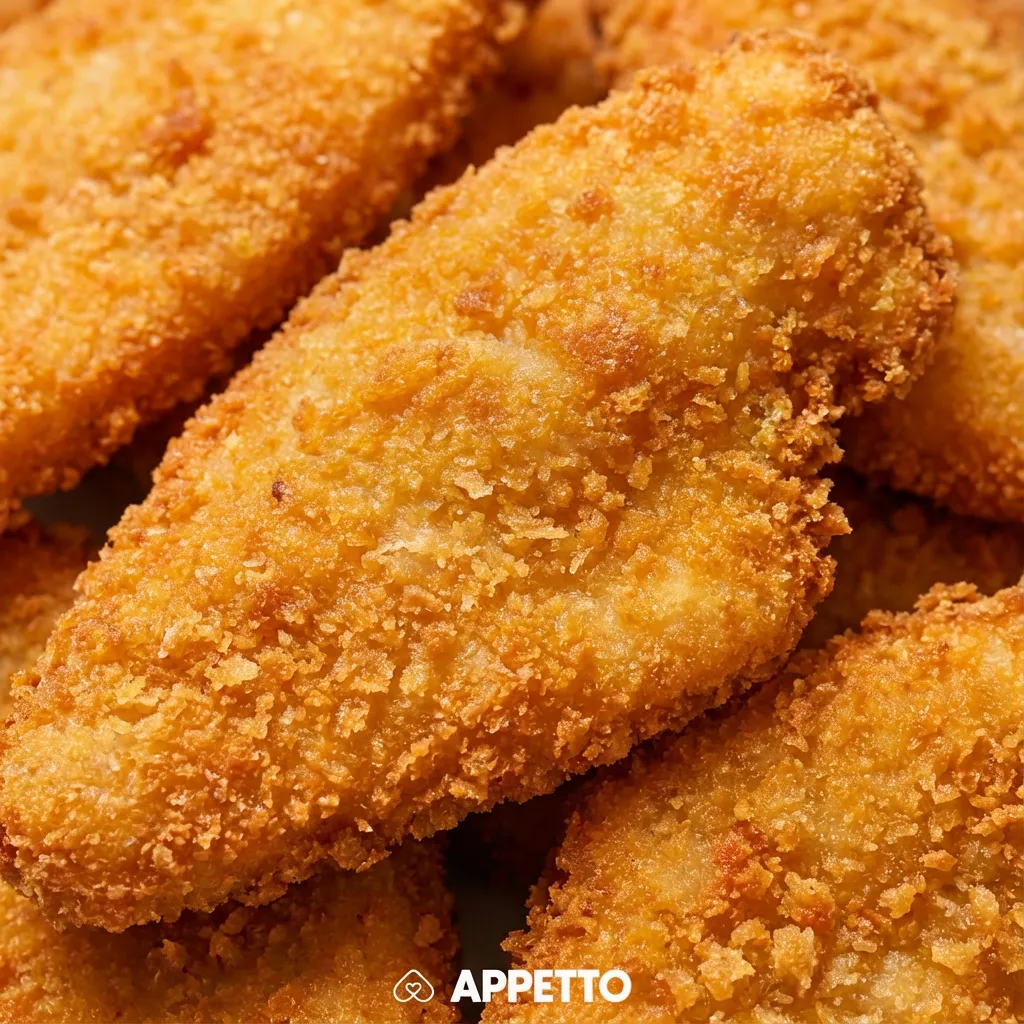
Feeding your cat breaded fish: a good or bad idea?
It is tempting to share a small piece of your meal with your feline, especially when it comes to fish. However, breaded fish fillets are not suitable for your cat’s diet. While they naturally love plain fish, the industrial preparation and cooking method pose a real problem for their health.
Why is breaded fish not recommended for cats?
The danger does not come from the fish itself, which is an excellent source of protein, but rather from the breading that coats it.
- Excess fat: Breaded fillets are generally fried or precooked in a lot of oil. This excess fat is difficult for a cat to digest and can cause digestive issues (diarrhea, vomiting) or, in the longer term, weight gain and a risk of pancreatitis.
- High salt content: Industrial breaded foods are often high in sodium. Our pets’ bodies tolerate excess salt very poorly, which can put a strain on their kidneys.
- Dangerous seasonings: Commercial breadcrumbs sometimes contain garlic or onion powder. These ingredients are highly toxic to felines and can damage their red blood cells.
What should I do if my cat ate breaded fish?
If your cat stole a small piece of a fillet, don’t worry too much. Observe them carefully in the following hours: they might have slightly loose stools. Simply take away the rest of the food. However, if they have ingested a large amount, do not hesitate to seek advice from your vet.
How can I safely give my cat fish?
To treat your cat healthily, always choose plain fish. You can offer them a small piece of white fish (like cod or hake) or salmon, boiled or steamed. Be sure never to add salt, oil, butter, or spices, and check that there are absolutely no bones left.