


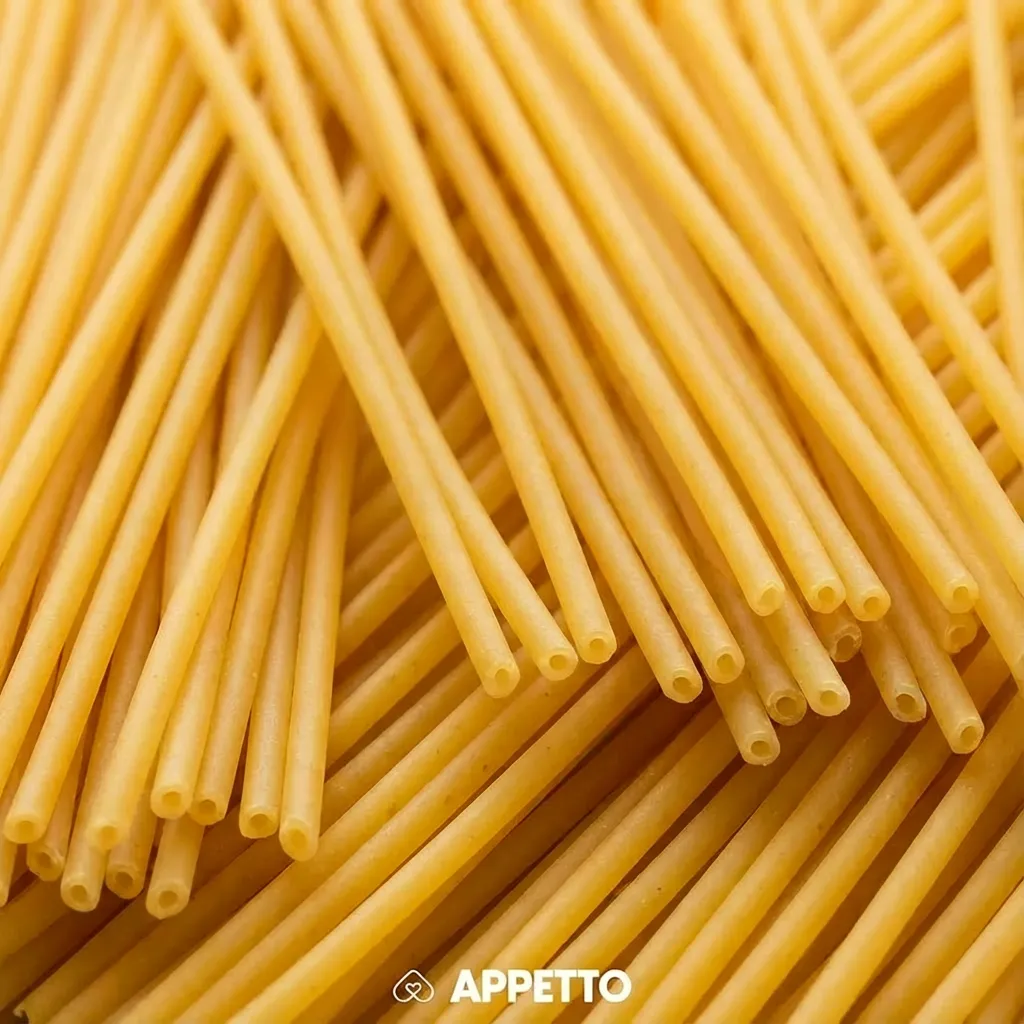
Are you wondering if you can feed bucatini to your cat? While this pasta is not considered toxic, it is only allowed in moderation. It can be offered as a very rare treat, but it should not become a regular part of your feline’s diet.
Nutritional Value and Benefits
The data shows no notable benefit in feeding bucatini to a cat. The nutritional value of this food is nonexistent for them. Because cats are strict carnivores, consuming cereals is completely useless for meeting their natural dietary needs. This pasta provides nothing but empty calories.
How to Prepare It?
If you choose to offer it very occasionally, the bucatini must be cooked. The cooked form provides a safer texture for the animal. It is also important to serve it only in very small portions.
Risks and Scientific Explanations
Eating bucatini poses several health risks to your pet, primarily due to the carbohydrate content:
- Nutritional risk: Carbohydrates can lead to unwanted weight gain.
- Metabolic risk: This pasta can cause an imbalance, which is especially concerning if the cat has diabetes.
Scientifically, a cat’s body is not designed to process this type of food efficiently. Cats poorly convert carbohydrates into useful energy without the presence of animal proteins.
Vulnerable Animals
Extreme caution is advised for obese or diabetic cats. For these vulnerable felines, it is generally recommended to avoid feeding them empty calories that could worsen their condition.
Symptoms to Watch For and What to Do
If too much bucatini is ingested, the following symptoms may appear:
- Vomiting
- Diarrhea
- Lethargy
If an excessive amount is consumed, closely monitor your cat for these clinical signs. Should any symptoms appear, persist, worsen, or seem concerning, it is advised to contact a veterinarian. Please note that this article cannot individually assess the severity of the ingestion.
Discover the APPETTO App
To help you better understand your cat’s diet and check information about various foods, you can use the APPETTO application.
This article is provided for informational purposes only. It does not replace the advice or diagnosis of a veterinarian. A veterinary professional must be consulted if concerning or persistent symptoms occur.