


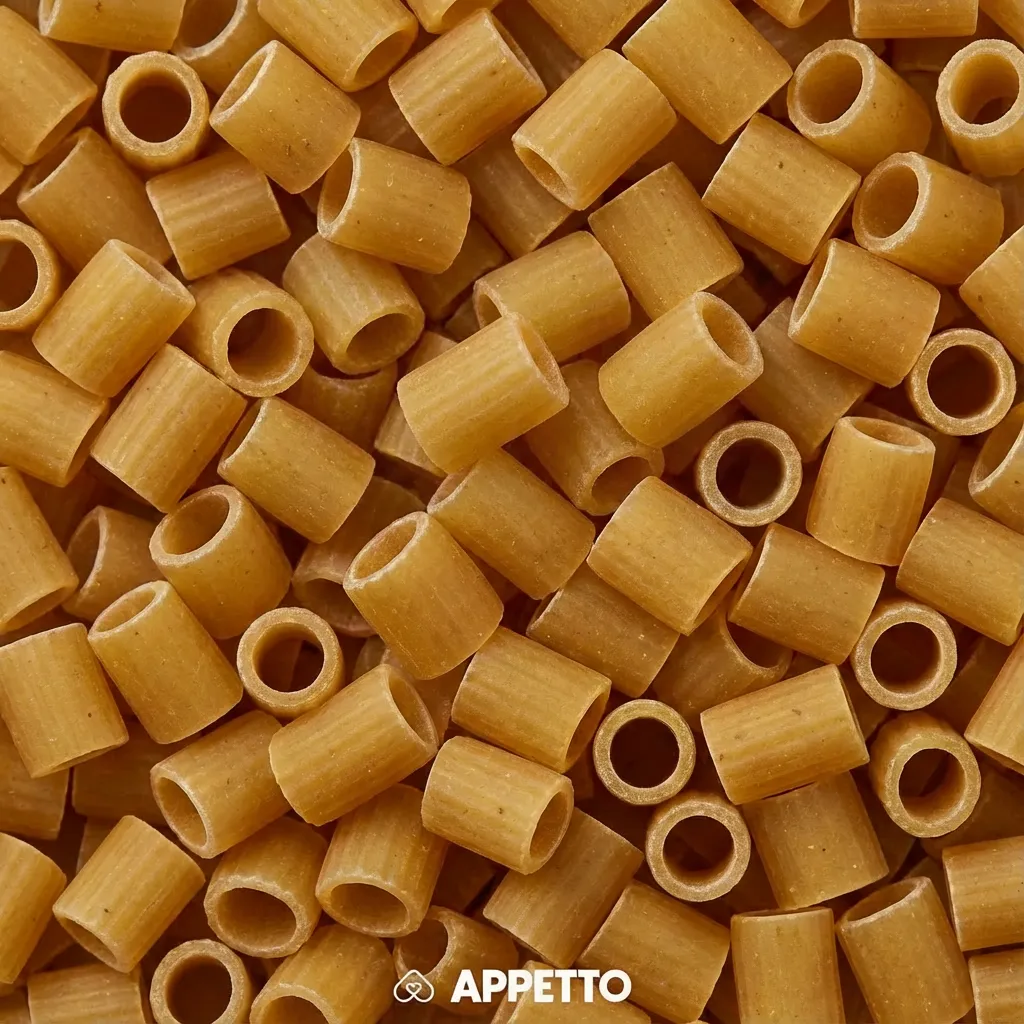
It is common to wonder if you can share a bit of your meal with your pet. If you are considering giving ditalini (durum wheat pasta) to your cat, you should know that this food is allowed in moderation. However, it is important to understand how it affects the feline body before offering it.
Nutritional Value and Benefits
The available data shows no benefits or nutritional value in giving ditalini to a cat. This food essentially provides empty calories in the form of carbohydrates, without contributing to the animal’s dietary needs.
Risks and Scientific Mechanisms
The feline metabolism is naturally geared towards processing animal proteins and fats. Cereal products like ditalini represent an unnecessary intake of carbohydrates. This consumption poses a nutritional risk and can lead to unwanted weight gain for your pet.
Preparation and Vulnerable Cats
If you decide to offer a very small amount, the ditalini must be cooked. Providing them as crumbs allows for better tolerance. Furthermore, caution is advised for obese or diabetic cats, as this extra carbohydrate intake can be problematic.
Symptoms to Watch and What to Do
Although they can be tolerated in minimal amounts, pasta may sometimes cause issues. Following ingestion, digestive symptoms can appear, including:
- Vomiting
- Diarrhea
If you observe these signs, or if they persist, worsen, or seem concerning, it is advised to contact a veterinarian. This article cannot assess the individual severity of the ingestion.
Discover the APPETTO App
To help you better understand your companion’s diet, you can use the APPETTO application. It allows you to consult information about various foods for cats and dogs.
This article is provided for informational purposes only and does not replace the advice or diagnosis of a professional. A veterinarian should be consulted in the event of concerning or persistent symptoms.