


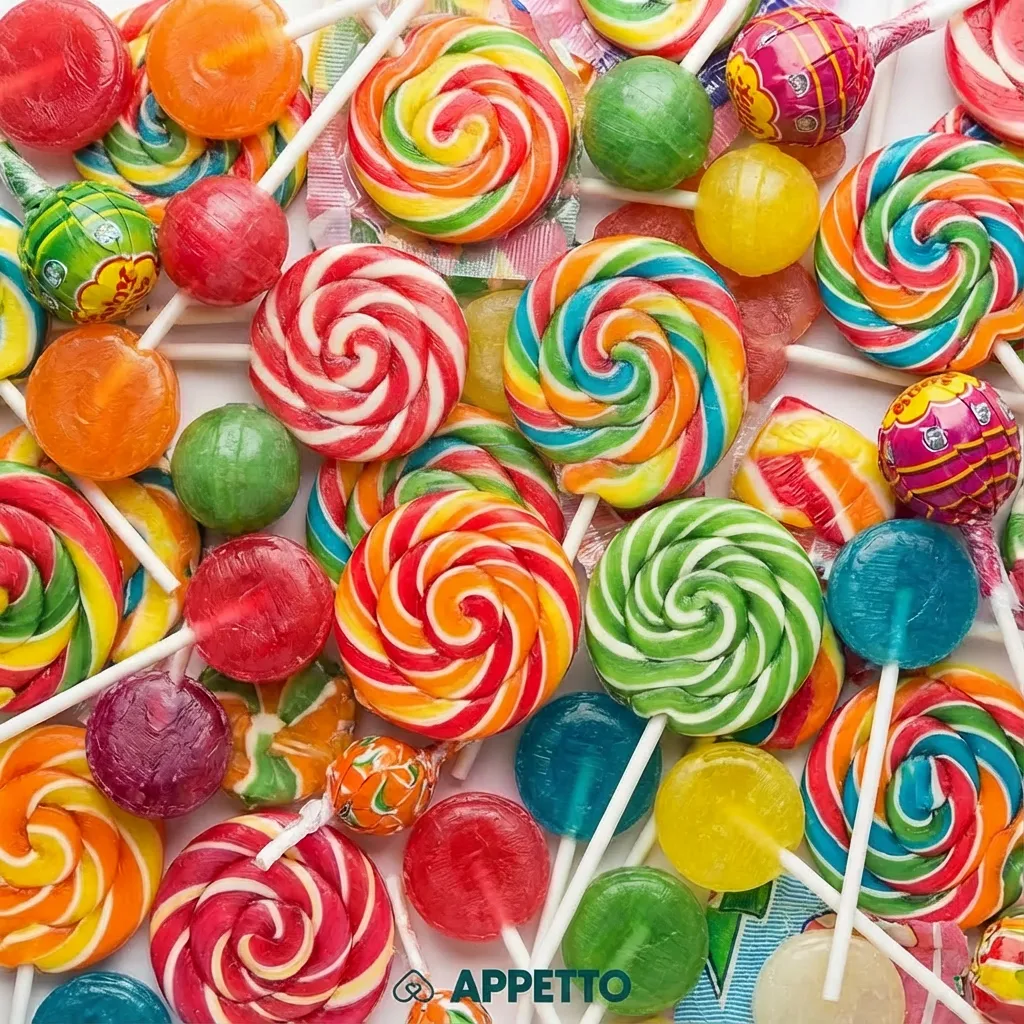
When it comes to sharing human treats with your feline friend, lollipops are a food to avoid. This type of hard candy offers no nutritional value for cats and presents several serious risks that can compromise their health.
Why Are Lollipops Dangerous for Cats?
Feeding lollipops to a cat exposes them to three main categories of risk:
- Mechanical hazards: The hard nature of the candy creates a significant choking and obstruction hazard in the cat’s digestive or respiratory tract.
- Chemical toxicity: Some “sugar-free” lollipops contain xylitol. Ingestion of xylitol leads to a dangerous hypersecretion of insulin, which can cause severe hypoglycemia.
- Nutritional risks: Regular lollipops are highly sweetened. Excess sugar can cause glycemic imbalances, promote obesity and diabetes, and lead to cavities.
Vulnerable Cats
While lollipops should be avoided for all cats, certain animals are at an even higher risk. Kittens and brachycephalic (flat-faced) breeds are particularly vulnerable due to their jaw structure and breathing difficulties, increasing the choking hazard. Additionally, diabetic cats are highly susceptible to the negative effects of sugar.
Symptoms to Watch For
If your cat has ingested a lollipop, various symptoms may occur. You should carefully monitor your pet for:
- Choking
- Vomiting
- Diarrhea
- Signs of hypoglycemia (especially if the lollipop contained xylitol)
If any of these symptoms appear or if you suspect your cat has consumed a product containing xylitol, contact a veterinarian.
Learn More with APPETTO
APPETTO helps users better understand the diet of dogs and cats and allows you to consult information on various foods. You can download the app at https://www.download.appetto.co.
This article is provided for informational purposes only and does not replace the advice or diagnosis of a veterinarian. A veterinarian must be consulted if concerning or persistent symptoms appear.