


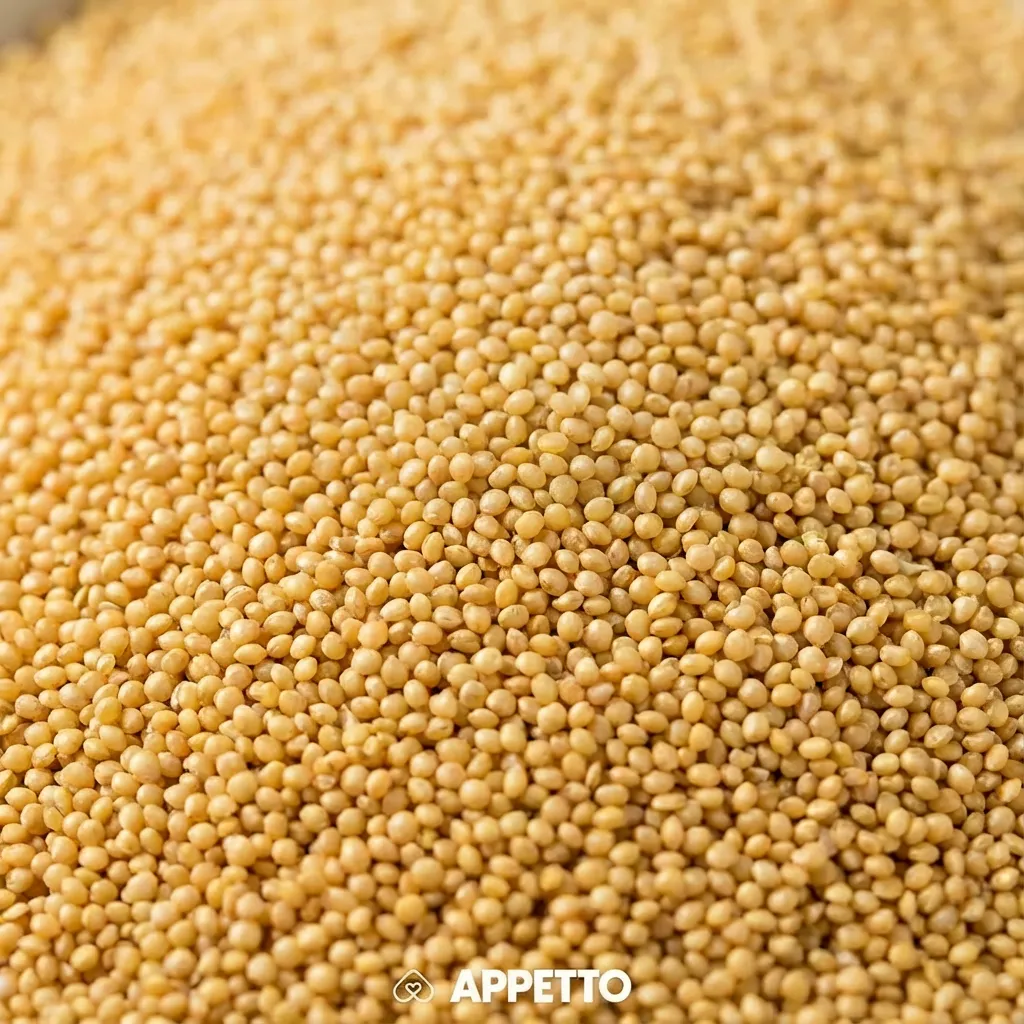
Many owners wonder which grains and pseudo-grains are safe to share with their feline companions. If you are considering feeding amaranth to your cat, it is crucial to understand the necessary precautions to ensure their well-being.
Is Amaranth Safe for Cats?
Amaranth is allowed in moderation for cats. While it is not considered highly toxic, it requires strict preparation and cannot be offered in just any form.
Benefits and Nutritional Value
When properly prepared, amaranth has a generally low nutritional value for cats. However, it does offer a few characteristics:
- It provides a source of plant-based proteins, fibers, and minerals.
- It is naturally gluten-free.
Which Parts to Feed and How to Prepare It
Preparation is key. Only well-cooked seeds should be offered to a cat. Cooking is essential because it reduces the levels of saponins and oxalates while improving the digestibility of the food.
Conversely, the raw plant must be entirely avoided. The leaves, stems, and sap are unsuitable parts that should never be given to your pet.
Health Risks for Cats
Consuming amaranth can expose cats to certain risks, especially if the food is poorly prepared or if the wrong parts are ingested:
- Chemical toxicity: The leaves and sap contain oxalates. These substances bind to calcium and can cause irritation in the mouth and along the digestive mucous membranes.
- Nutritional risk: Due to its carbohydrate content, amaranth can lead to weight gain if consumed in high amounts.
- Digestive issues: Improper preparation of the seeds can result in digestive upset.
Vulnerable Cats
Increased caution is required for cats suffering from kidney disease due to the presence of oxalates in the plant.
Symptoms to Watch For
If your cat has ingested amaranth leaves, certain clinical signs may appear. The main symptoms to monitor include:
- Excessive salivation
- Vomiting
- A decrease in appetite
What to Do In Case of Ingestion
If your cat has eaten the leaves, stems, or sap of the amaranth plant, or if they show signs of distress after eating poorly prepared seeds, closely monitor their condition. Should symptoms like vomiting or loss of appetite appear, persist, or seem concerning, contact a veterinarian promptly. This article cannot assess the individual severity of the ingestion.
Frequently Asked Questions
Is raw amaranth dangerous for my cat?
Yes, the raw leaves, stems, and sap are irritating due to oxalates. Seeds must never be fed raw, as cooking is necessary to reduce antinutrients and prevent digestive issues.
Discover APPETTO
To better understand your cat’s diet and easily access information about various foods, you can use the APPETTO application. It helps owners learn about their pets’ nutritional needs. Feel free to download it at APPETTO.
This article is provided for informational purposes only and does not replace the advice or diagnosis of a veterinarian. Always consult a veterinary professional if your pet experiences concerning or persistent symptoms.