


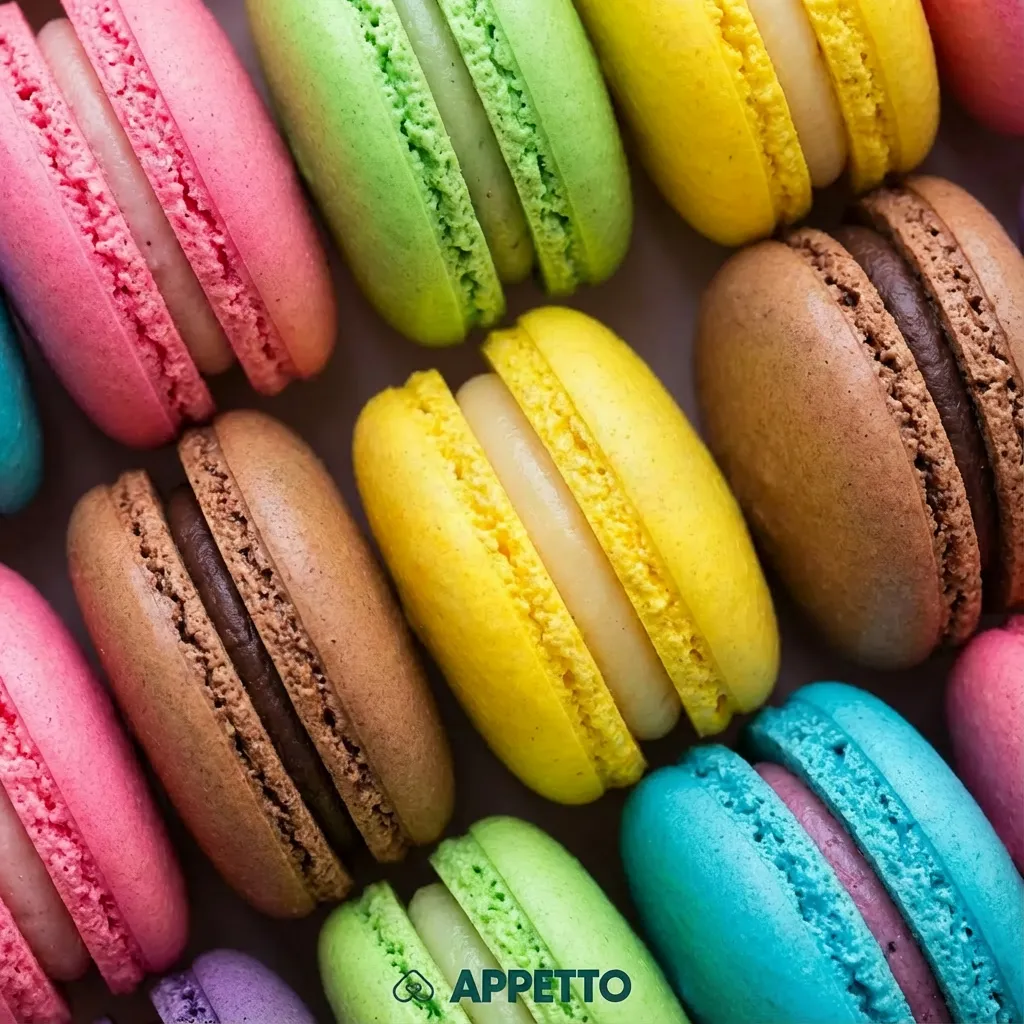
If you are considering offering a sweet treat to your feline friend, it is important to know that macarons are to be avoided. The available data shows no nutritional value or benefits for cats.
Main Risks of Macarons for Cats
Feeding macarons to your cat involves several significant risks:
- High sugar content: The large amounts of sugar cause a glycemic imbalance. This can lead to weight gain and presents a nutritional risk of obesity, diabetes, and teeth issues. Even baked, the cooking process does not remove the sugar risk.
- Almonds: Macarons contain almonds, which are inappropriate for a cat’s diet and can cause digestive troubles.
- Potential chocolate fillings: Some macarons are filled with chocolate, introducing a chemical toxicity risk due to theobromine. Theobromine can cause neurotoxicity and cardiotoxicity in cats.
- Mechanical risk: The macaron shell can cause a choking hazard if swallowed whole.
Vulnerable Cats
Cats with digestive sensitivities and diabetic cats are particularly vulnerable to the risks associated with eating macarons.
Symptoms to Watch For and What to Do
If your cat ingests a macaron, you may notice the following digestive and toxic symptoms:
- Vomiting
- Diarrhea
- Agitation
- Convulsions (especially if chocolate was consumed)
You should carefully monitor your cat for these signs. If symptoms appear, persist, worsen, or seem concerning, contact a veterinarian.
Discover APPETTO
To better understand your pet’s diet, the APPETTO application is available to help. You can easily check information about food for cats and dogs. Download it today at APPETTO.
This article is provided for informational purposes only. It does not replace the advice or diagnosis of a veterinarian. A veterinarian should always be consulted in case of concerning or persistent symptoms.