


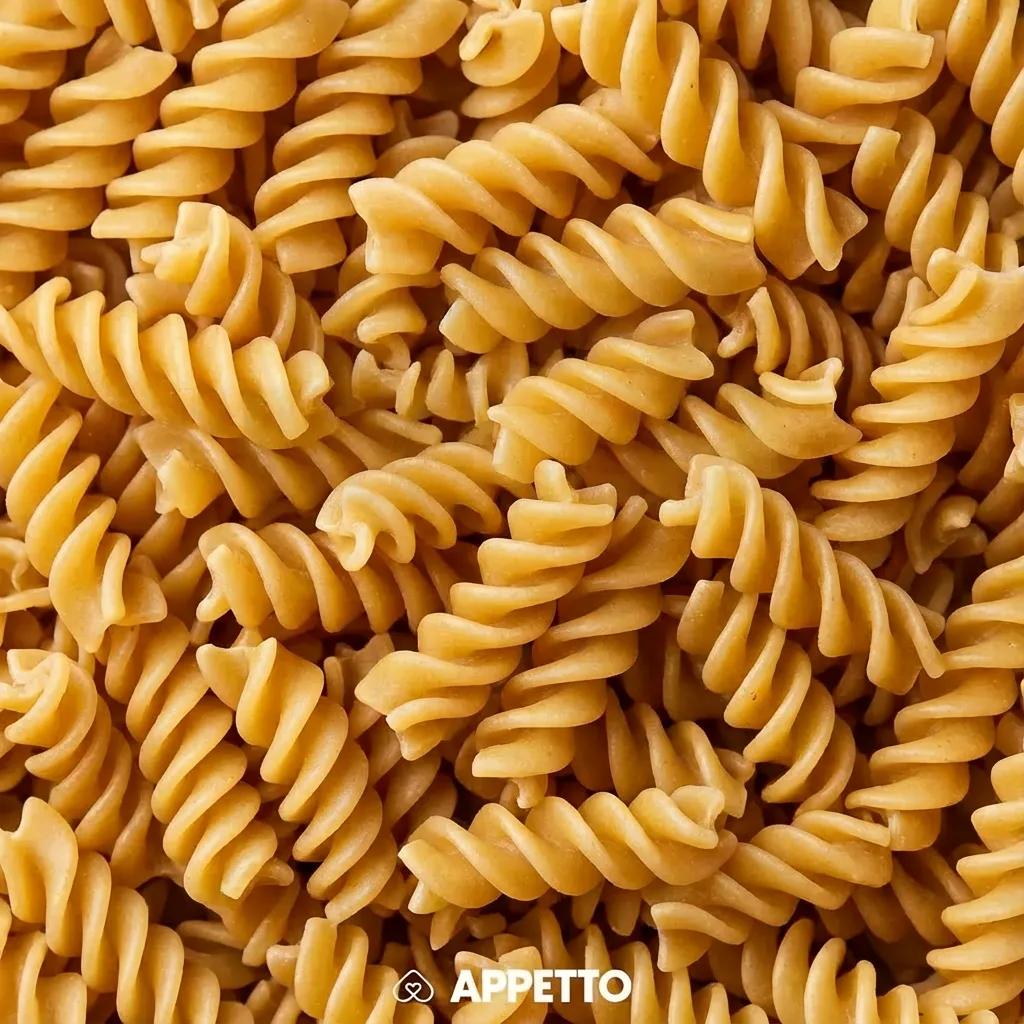
Whether cats can eat pasta is a topic that elicits divergent opinions. While an occasional tolerance is possible, this food must never replace a complete diet for your cat.
Zero Nutritional Value
The available data shows no benefits and zero nutritional value in feeding pasta to a cat. The starch found in pasta does not cover the protein and taurine needs that are essential for felines.
What Are the Risks?
Feeding pasta frequently presents a risk of digestive issues. The main identified risks are:
- Nutritional risk: an excess of carbohydrates, which is considered useless for a cat’s metabolism.
- Mechanical risk: the dry texture of the food can pose a choking hazard.
Regarding whether it should be served raw or cooked, the data is uncertain, so it is advised to avoid it as a precaution.
Symptoms to Watch For
If a cat consumes pasta and experiences digestive intolerance, symptoms may appear, including:
- Vomiting
- Diarrhea
What to Do in Case of Ingestion?
If your cat has eaten pasta, you should monitor them for the symptoms listed above. If digestive issues appear, persist, or seem concerning, it is highly recommended to contact a veterinarian.
Learn More with APPETTO
To help you better understand your cat’s diet, you can use the APPETTO application. It allows users to consult information on various foods.
This article is provided for informational purposes only and does not replace the advice or diagnosis of a veterinarian. If your cat exhibits concerning or persistent symptoms, please consult a veterinary professional.